How the LCP Delivers Lasting Leadership Change
Key Takeaways:
- Leadership is a business driver. Research shows that nearly 40% of the difference between high and low performing organizations comes down to leadership effectiveness.
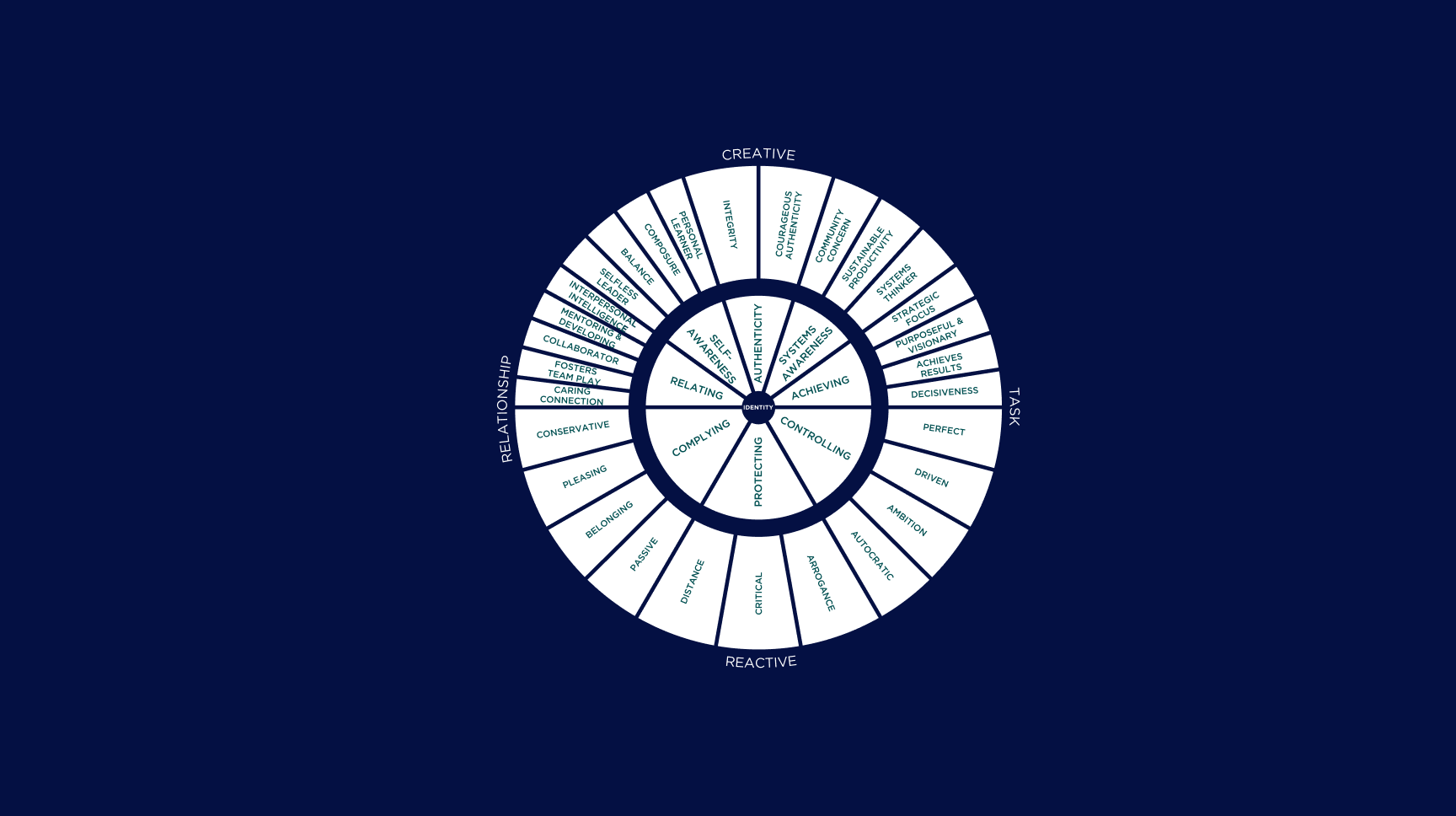
- Reactive leadership drains, Creative leadership delivers. Reactive patterns (control, compliance, protection) erode trust and engagement. Creative leadership, built on authenticity and purpose, fuels innovation and sustainable performance.
- HR leaders need credibility and impact. The Leadership Circle Profile provides data the C-suite trusts, while uncovering the mindsets behind behavior, enabling lasting transformation, not just short-term fixes.
Organizations spend heavily on leadership programs. Yet time and again, the pattern repeats: leaders leave a workshop energized, only to slip back into old habits weeks later. HR and L&D directors are left asking: why doesn’t the change last?
The evidence is clear: leadership effectiveness isn’t a side issue. Leadership Performance is one of the biggest predictors of business performance. Research shows that nearly 40% of the difference between high and low performing organizations comes down to the effectiveness of their leaders. (The Leadership Circle, The Leadership Circle and Organizational Performance).
The risks of poor leadership are equally well-documented. Zenger and Folkman’s analysis of more than 11,000 leaders shows how “fatal flaws” like poor judgment, resisting new ideas, or failing to develop others can derail both careers and company performance (Harvard Business Review, 2009).
But there’s another side to the story. When leaders operate from purpose and trust, what The Leadership Circle calls the Creative mindset, they don’t just avoid risk. They create conditions where people thrive, and where business performance follows.
Leadership Effectiveness Predicts Results
Research shows that nearly 40% of the difference between high and low performing organizations comes down to leadership effectiveness (The Leadership Circle, The Leadership Circle and Organizational Performance).
That’s a striking figure. It means leadership isn’t a side issue. It’s one of the strongest levers any organization can pull to improve results. For HR and L&D leaders, it reframes leadership development from a “people program” into a core business strategy.
Personal Transformation as the Catalyst for Change
Data alone can’t explain why change sticks for some leaders and fades for others. The missing piece is mindset.
As Bob Anderson argues in Mastering Leadership, most development fails because it focuses only on behaviors, telling leaders to delegate more, listen more, or communicate better, without uncovering the deeper beliefs that shape those behaviors. Without that shift in mindset, change doesn’t last.
When leaders move from a problem-reacting stance (fueled by fear and control) to an outcome-creating stance (fueled by purpose and trust), the effect is transformative. The difference is visible: a leader who micromanages every detail versus one who builds confidence and capability across the team. One creates dependency; the other creates performance.
The bottom line: data shows leadership drives performance, but mindset change explains how
The Hidden Costs of Reactive Leadership
On the surface, Reactive leaders can look effective. The controlling leader drives hard for results. The conflict-avoider keeps things calm. The self-protector projects confidence under pressure.
But over time, these patterns come at a price. They erode trust, slow collaboration, and create teams that play it safe instead of stretching themselves. Engagement dips, turnover rises, and performance stalls. In fact, The Leadership Circle’s research shows high Reactive scores consistently link to weaker business results (The Leadership Circle, The Leadership Circle and Organizational Performance).
The Untapped Potential of Creative Leadership
By contrast, Creative leaders unlock energy. They lead with authenticity, purpose, and trust. They build people up instead of holding them back.
Research confirms that Creative behaviours, like mentoring, developing others, and leading with transparency, are strongly tied to higher innovation and stronger performance (Participant Report 2023).
The difference is striking:
- Reactive leaders focus on avoiding mistakes.
- Creative leaders focus on creating the future.
The bottom line: Reactive leadership drains energy; Creative leadership releases it.
How Leadership Shows Up in the Numbers
Leadership effectiveness isn’t an abstract concept. It shows up directly in the measures that matter most to the business. Research connecting leadership behavior with organizational outcomes highlights clear patterns:
- Profitability: Companies with higher levels of Creative leadership consistently report stronger financial results. Leaders who empower others and build trust drive higher productivity and innovation, which translates into better margins (The Leadership Circle, Organisational Performance Study).
- Employee Retention: Poor leadership is one of the top reasons people leave organizations. Gallup estimates that managers account for at least 70% of the variance in employee engagement, which strongly predicts turnover. Creative leaders who mentor and develop others reduce attrition and build loyalty.
- Customer Experience: Reactive leadership cultures tend to play it safe, leading to slow responses and poor service. Creative leadership enables accountability and collaboration, which improves responsiveness and customer satisfaction (The Leadership Circle, Participant Report 2023).
- Innovation & Agility: In today’s disruptive markets, innovation isn’t optional. Studies show Creative leaders, those who foster openness, curiosity, and empowerment, are significantly more likely to create cultures where new ideas are encouraged and acted upon (Mastering Leadership).
The bottom line: leadership effectiveness doesn’t just make work “feel better.” It drives the very metrics that boards and investors track: profitability, retention, customer loyalty, and innovation.
The Fatal Flaws That Derail Leaders
Strong strategies and smart products can still be undone by weak leadership. Zenger and Folkman’s analysis of more than 11,000 leaders, published in Harvard Business Review, found ten common flaws that derail careers, from poor judgment and resisting new ideas to failing to develop others (2009).
These issues often hide in plain sight. A technically gifted leader who can’t build trust. A results-focused manager who avoids tough conversations. Left unchecked, these patterns drain morale, push people out the door, and erode performance. The cost isn’t just cultural, it’s commercial.
The Leadership Circle Profile helps surface these risks before they do real damage. Unlike standard 360 tools that just report behaviors, the LCP reveals the beliefs driving those behaviors, giving organizations the chance to act early.
Independent Validation That Builds Credibility
Of course, insight only matters if it’s credible. That’s why the science behind the LCP is so important. Independent research by Bowling Green State University confirmed the LCP as a reliable, validated tool that links leadership behavior directly to business performance (IPRA, Psychometric Evaluation of TLCP).
For HR and L&D leaders, this matters in the boardroom. It means you can show not only the risks of ignoring poor leadership, but also the robustness of the tool you’re using to address it. In short: you can argue with data, not just opinion.
The bottom line: poor leadership creates hidden risks. The LCP gives you the evidence to spot them early and the credibility to prove you’re tackling them.
Leading for Performance and Purpose
Leadership effectiveness isn’t a side issue. It’s one of the strongest levers of business performance and yet too often, organizations try to improve it with short-term fixes that don’t last.
The real shift comes when leaders move beyond Reactive habits and into Creative leadership. Reactive patterns drain energy and create disengagement. Creative leadership, grounded in trust and purpose, builds the conditions where people and results thrive.
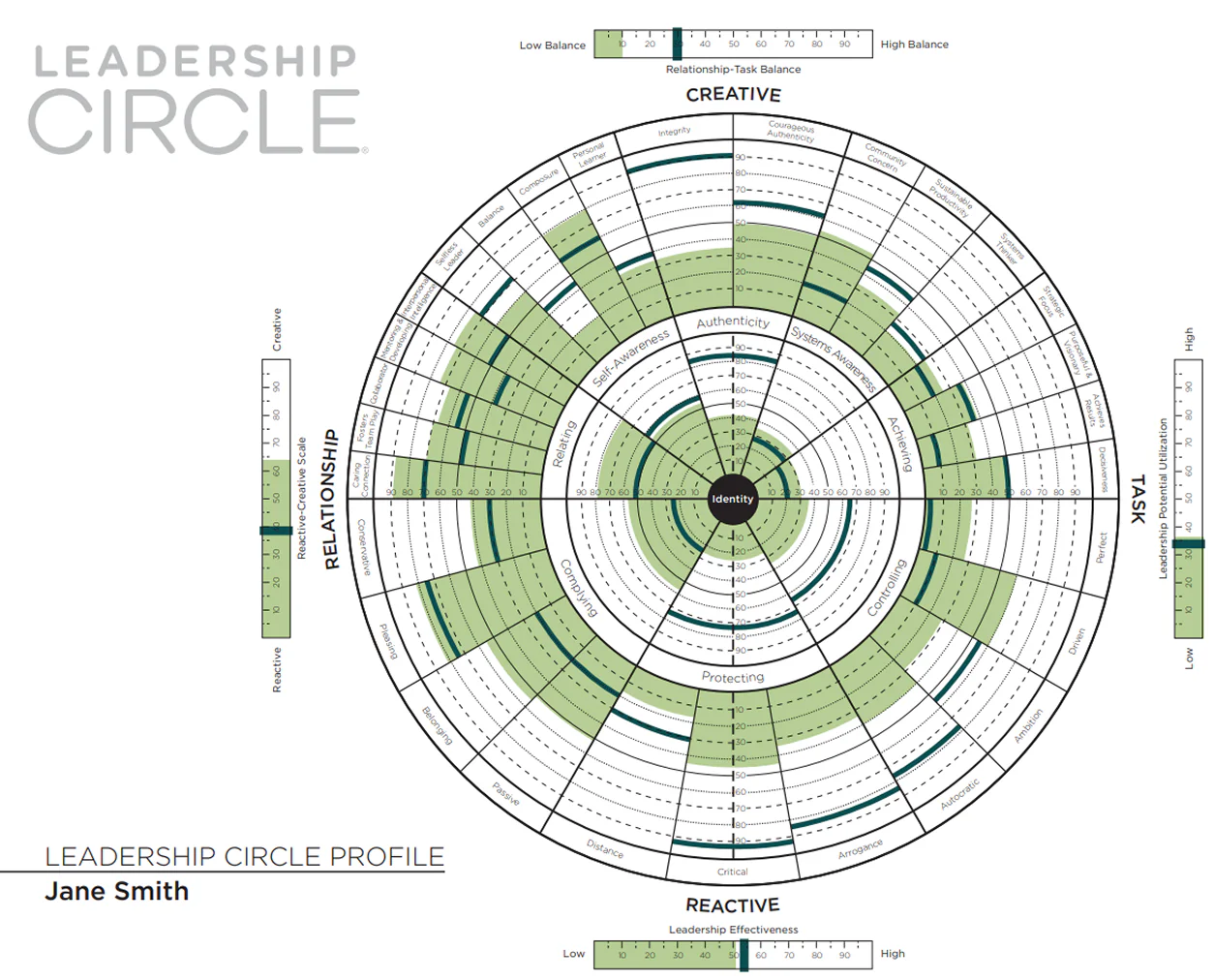
The cost of ignoring this is high. Poor leadership doesn’t just frustrate teams; it slows growth and drives talent out of the business. But the opportunity is just as powerful. Tools like the Leadership Circle Profile give HR and L&D leaders a credible, research-backed way to spark lasting transformation, backed up by data the C-suite will trust.
So the question is simple: will leadership development in your organization remain a series of events? Or will it become the catalyst for the performance and culture your business needs next?
At Primeast, we’ve seen what happens when leaders make that shift. Teams flourish. Organizations perform. And leaders finally achieve the impact they were meant to have. Contact us today to get started on your LCP journey.