Before asking your team to adapt, pause and consider: How am I processing this change?
The Challenge
Change fatigue is often driven by uncertainty, competing priorities, frequent shifts, and the pressure leaders feel to maintain stability for others, not just by workload.
Consider a leader tasked with implementing another process change after months of shifting priorities. Outwardly, they appear composed, attend meetings, update plans, answer questions, and reassure the team.
Internally, they feel stretched, frustrated, and uncertain about priorities. Without recognizing their own response, this energy affects the team. Communication becomes rushed, patience declines, and decisions grow reactive. The team mirrors this uncertainty and tension in their thoughts and behaviors, as they seek clarity, wait on decisions, and experience the lack of patience.
Leading change begins before meetings, announcements, or planning. It starts with the leader’s self-awareness.
Strategize
Leading change starts with self-leadership. Notice your own emotional, mental, and energy responses before focusing on team performance or deadlines.
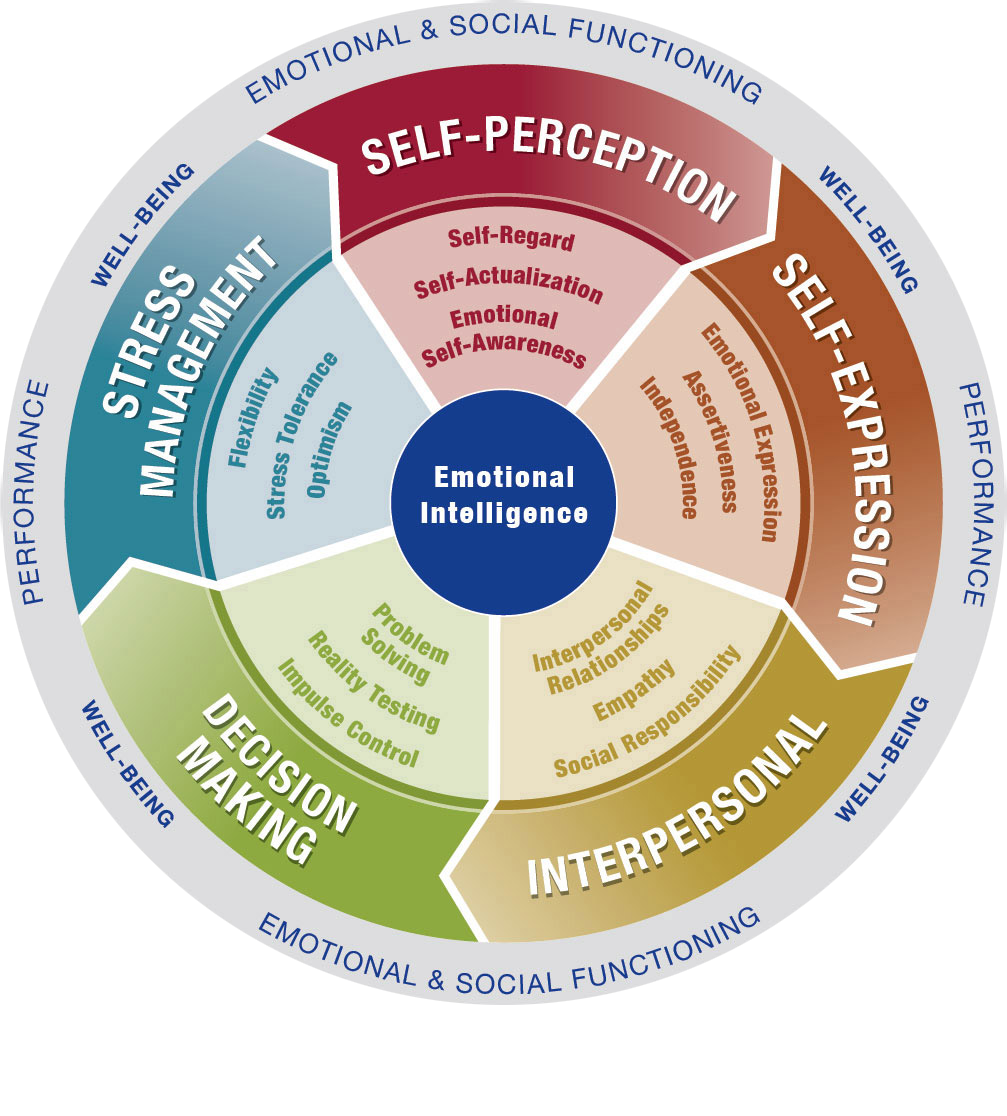
The Emotional Quotient Inventory (EQi) by Multi-Health Systems
Begin with Self-Perception, a key area of emotional intelligence. This includes self-regard, self-actualization, and emotional self-awareness. Leaders can ask themselves:
- What am I feeling about this change?
- What is this change bringing up for me?
- What strengths can I rely on right now?
- What is draining my energy?
- What do I need to clarify before I communicate with others?
Without recognizing their own response, leaders can unintentionally transfer stress and uncertainty to the team through rushed communication, reactive decisions, or inconsistent direction. Practicing emotional self-awareness helps separate facts from assumptions, respond thoughtfully, and create a stable environment.
Dig Deeper
Change fatigue often manifests subtly as irritability, reduced patience, mental overload, avoidance, indecision, or over-functioning. Some leaders push harder, while others withdraw or delay decisions. Both responses are understandable, but they can reduce team clarity.
Use simple self-checks before key meetings, announcements, or decisions:
- What emotion is most present for me right now?
- What part of this change still feels unclear or unresolved?
- What am I assuming that may not be true?
- What are the top two or three priorities that matter most this week?
- What does my team need from me right now: clarity, calm, direction, listening, or reassurance?
Leaders should monitor practical signals such as energy levels, communication quality, decision speed, competing priorities, and emotional tone after team discussions. These indicators reveal whether leadership is intentional or driven by fatigue.
Take Action
- Pause before responding. Identify your current emotional response to prevent it from unconsciously influencing your behavior.
- Clarify your main priorities. Identify the top two or three for the week and communicate them clearly.
- Monitor your energy patterns. Note where your energy drops, when you feel reactive, and what restores your focus.
- Select one intentional message. Before addressing the team, choose a tone and message that create clarity rather than increase stress.
Effective self-leadership builds the resilience required to lead change successfully. Teams do not just respond to the change, they respond to the emotional tone, clarity and steadiness of the people leading them through the change and transition.
Start with one five-minute self-check at the start of each week, or share one personal reflection about the change process with a trusted peer. Taking one immediate step makes it easier to put self-leadership into action, right away.
Leading others through change starts with understanding your own response to it. That level of self-awareness doesn’t happen by accident – it’s developed through reflection, feedback, and intentional practice. At Primeast, we use the EQ-i 2.0 assessment to help leaders better understand their unique emotional intelligence strengths, patterns, and growth opportunities across all 15 dimensions of EI. Through 1:1 coaching, leadership development programs, and experiential team workshops, we help individuals and teams build the emotional skills that strengthen relationships, improve collaboration, reduce burnout, and create more connected, resilient workplaces – especially during times of change
For more information about how to develop your leaders, create more connection on your teams, and leverage these coaching tips within your organization, email Beth.Williams[at]primeast.com.