Leadership Strengths Gen Z Brings to the Workplace
Hate the Idea of Being a Manager? Good. Here’s How to Be a Leader Instead
Key Takeaways:
- Leadership is an action, not a title. You don’t need a formal management role to make a difference. Leadership is a choice centered on influence and coaching, and you can start leading now from exactly where you are.
- Your generational strengths are modern leadership assets. Your generation’s drive for purpose, fluency with technology, and focus on well-being are the core skills needed to build the innovative and resilient teams of the future.
- You can start leading now, without permission. Start leading today with small, intentional steps. Own a project, become the go-to teacher for a valuable skill, or offer to mentor a senior colleague.
The word ‘manager’ probably doesn’t inspire you. It brings to mind burnout, bureaucracy, and endless meetings. You look at that career path and think, There has to be a better way.
You’re right. And you’re not alone.
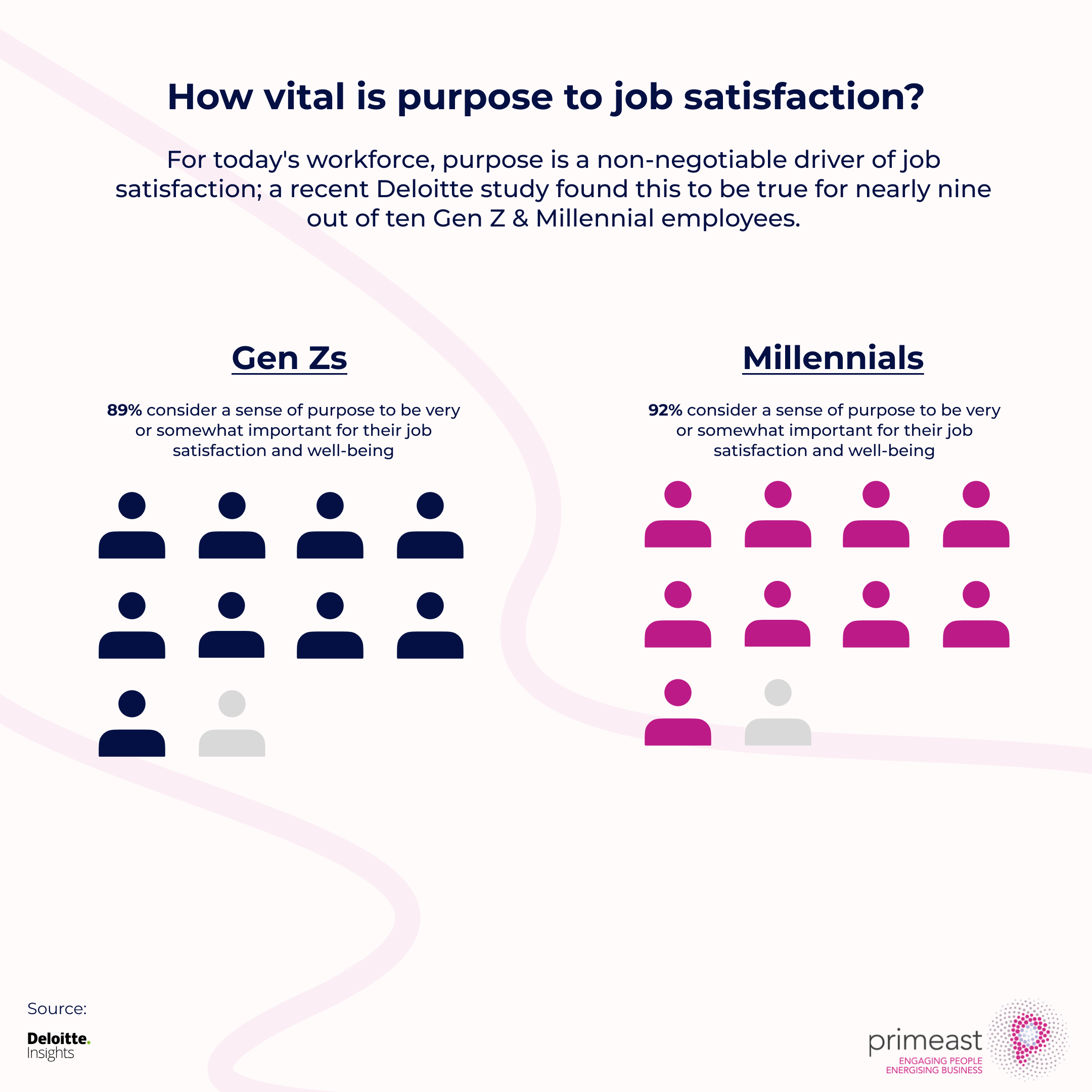
That hesitation isn’t a lack of ambition. It’s a sign you value your well-being and want your work to mean something. It’s a feeling your peers share; a recent Deloitte survey found that nearly half of Gen Z workers feel stressed all or most of the time, and almost nine in ten say purpose is vital to their job satisfaction [Deloitte – Gen Zs and millennials at work].
Your ambition isn’t the problem; the job description is.
It’s time to separate leadership from management.
Let’s Redefine Leadership: It’s Influence, Not a Title
Let’s separate the title from the task. Management is often a box on an org chart, filled with budgets and bureaucracy. Leadership is an action anyone can choose to take.
True leadership is measured by influence, not authority. It’s the difference between pointing at a deadline and pointing to a purpose.
Think about the best boss you ever had. They didn’t just tell you what to do. They showed you how, asked for your opinion, and trusted your judgment. They did more than manage your work; they invested in your career.
That’s known as “transformational leadership,” and research shows it results in more successful teams and happier employees, especially in Gen Z. [Deloitte – Gen Zs and millennials at work]
The best part? You don’t need anyone’s permission to be that person. You can start leading, right now, from exactly where you are.
Your Instincts Are Your Strengths
The traits that define your generation are more than preferences; they are professional assets. Here is how to reframe three common instincts as leadership skills.
You Naturally Ask, “Why?”
Your desire for meaningful work means you are always asking, “Why are we doing this?” That question doesn’t slow things down; it provides focus.
By pushing for clarity on purpose, you help connect your team to the goal, not just the task.
You Find a Better Tool
You grew up with technology, so you aren’t afraid to find a better app, a smarter workflow, or a faster way to collaborate. Finding a better tool goes beyond mere convenience, it drives innovation.
Showing a senior colleague a simple shortcut does more than save time; it’s an act of leadership. According to Deloitte, companies with tech-savvy teams see 48% higher revenue growth. [Deloitte – Gen Zs and millennials at work]
You Protect the Team
Protecting your work-life balance isn’t selfish. It is a crucial leadership skill. You know that burnout is the enemy of great work.
By modeling healthy boundaries and speaking up for your team’s well-being, you help build a culture where people feel safe, supported, and creative.
How to Lead Without the Title
You don’t need to wait for a promotion to lead. Leadership isn’t a title someone gives you; it’s an impact you choose to make. Here are three ways to start today.
1. Own a Result
Ask for a project you can run from start to finish. It’s the safest way to learn how to organize, communicate, and motivate a team without the pressure of managing people.
Delivering a finished project moves beyond simply doing a job, it proves you can lead.
2. Be the Go-To Teacher
Find a senior colleague who is struggling with a new tool you’ve already mastered.
Offer to show them how it works in 15 minutes. You’ll build a powerful ally, share your skills, and earn a reputation as an expert.
3. Find One Thing and Nail It
Pick one skill your team needs and become the best at it. When you’ve got it down, don’t keep it to yourself.
Offer to run a 30-minute demo or build a simple how-to guide for your colleagues. When people start coming to you for help, you’re not just an expert. You’re a leader.
Your Path, Your Impact
The future of work doesn’t need more managers who simply check boxes. It needs leaders who make a difference, people who inspire their teams, connect work to a purpose, and build something that matters.
You don’t have to wait for the title to be that person. Your career isn’t a ladder you must climb; it’s a path you create every day.
Building the skills to lead with confidence is the next step. If you’re ready to explore what that looks like, contact us today so we can help you learn to make an impact on your own terms.
Leadership Strengths Gen Z Brings to the Workplace
Hate the Idea of Being a Manager? Good. Here’s How to Be a Leader Instead
Key Takeaways:
- Leadership is an action, not a title. You don’t need a formal management role to make a difference. Leadership is a choice centered on influence and coaching, and you can start leading now from exactly where you are.
- Your generational strengths are modern leadership assets. Your generation’s drive for purpose, fluency with technology, and focus on well-being are the core skills needed to build the innovative and resilient teams of the future.
- You can start leading now, without permission. Start leading today with small, intentional steps. Own a project, become the go-to teacher for a valuable skill, or offer to mentor a senior colleague.
The word ‘manager’ probably doesn’t inspire you. It brings to mind burnout, bureaucracy, and endless meetings. You look at that career path and think, There has to be a better way.
You’re right. And you’re not alone.
That hesitation isn’t a lack of ambition. It’s a sign you value your well-being and want your work to mean something. It’s a feeling your peers share; a recent Deloitte survey found that nearly half of Gen Z workers feel stressed all or most of the time, and almost nine in ten say purpose is vital to their job satisfaction [Deloitte – Gen Zs and millennials at work].
Your ambition isn’t the problem; the job description is.
It’s time to separate leadership from management.
Let’s Redefine Leadership: It’s Influence, Not a Title
Let’s separate the title from the task. Management is often a box on an org chart, filled with budgets and bureaucracy. Leadership is an action anyone can choose to take.
True leadership is measured by influence, not authority. It’s the difference between pointing at a deadline and pointing to a purpose.
Think about the best boss you ever had. They didn’t just tell you what to do. They showed you how, asked for your opinion, and trusted your judgment. They did more than manage your work; they invested in your career.
That’s known as “transformational leadership,” and research shows it results in more successful teams and happier employees, especially in Gen Z. [Deloitte – Gen Zs and millennials at work]
The best part? You don’t need anyone’s permission to be that person. You can start leading, right now, from exactly where you are.
Your Instincts Are Your Strengths
The traits that define your generation are more than preferences; they are professional assets. Here is how to reframe three common instincts as leadership skills.
You Naturally Ask, “Why?”
Your desire for meaningful work means you are always asking, “Why are we doing this?” That question doesn’t slow things down; it provides focus.
By pushing for clarity on purpose, you help connect your team to the goal, not just the task.
You Find a Better Tool
You grew up with technology, so you aren’t afraid to find a better app, a smarter workflow, or a faster way to collaborate. Finding a better tool goes beyond mere convenience, it drives innovation.
Showing a senior colleague a simple shortcut does more than save time; it’s an act of leadership. According to Deloitte, companies with tech-savvy teams see 48% higher revenue growth. [Deloitte – Gen Zs and millennials at work]
You Protect the Team
Protecting your work-life balance isn’t selfish. It is a crucial leadership skill. You know that burnout is the enemy of great work.
By modeling healthy boundaries and speaking up for your team’s well-being, you help build a culture where people feel safe, supported, and creative.
How to Lead Without the Title
You don’t need to wait for a promotion to lead. Leadership isn’t a title someone gives you; it’s an impact you choose to make. Here are three ways to start today.
1. Own a Result
Ask for a project you can run from start to finish. It’s the safest way to learn how to organise, communicate, and motivate a team without the pressure of managing people.
Delivering a finished project moves beyond simply doing a job, it proves you can lead.
2. Be the Go-To Teacher
Find a senior colleague who is struggling with a new tool you’ve already mastered.
Offer to show them how it works in 15 minutes. You’ll build a powerful ally, share your skills, and earn a reputation as an expert.
3. Find One Thing and Nail It
Pick one skill your team needs and become the best at it. When you’ve got it down, don’t keep it to yourself.
Offer to run a 30-minute demo or build a simple how-to guide for your colleagues. When people start coming to you for help, you’re not just an expert. You’re a leader.
Your Path, Your Impact
The future of work doesn’t need more managers who simply check boxes. It needs leaders who make a difference, people who inspire their teams, connect work to a purpose, and build something that matters.
You don’t have to wait for the title to be that person. Your career isn’t a ladder you must climb; it’s a path you create every day.
Building the skills to lead with confidence is the next step. If you’re ready to explore what that looks like, contact us today so we can help you learn to make an impact on your own terms.
Why Your Gen Z Talent Is Avoiding Management
Are You Driving Your Future Leaders Away?
Key Takeaways:
- Gen Z wants a coach, not just a boss. They seek leaders who will actively mentor and invest in their growth. When they see managers overwhelmed and sacrificing connection for control, the role looks like a punishment, not a promotion.
- Purpose isn’t a perk; it’s the point. For this generation, a paycheck is not enough. Leaders must connect daily tasks to a wider, meaningful mission. Without that connection, work becomes a series of chores, and no one aspires to be the leader of chores.
- The old deal is off the table. The traditional trade-off, sacrificing personal well-being for a higher salary and title, is a deal Gen Z refuses to take. They measure opportunities against a balance of financial security, meaningful work, and a life outside the office. A leadership role that compromises any of these feels like a broken promise.
The leaders you need are already in your office.
By 2025, Gen Z will make up nearly a third of our workforce. They are skilled, driven, and ready to contribute. But they don’t want your job.
This isn’t a feeling; it’s a fact. A recent Deloitte survey found that only 6% of Gen Z employees see a senior leadership role as their main career goal [Deloitte – Gen Zs and millennials at work]. In the UK, it’s just 4%.
Why is the next generation turning away from the corner office?
The answer isn’t in their lack of ambition. It’s in the job we’re offering. The problem is the version of leadership they see every day, the one written in our own playbook.
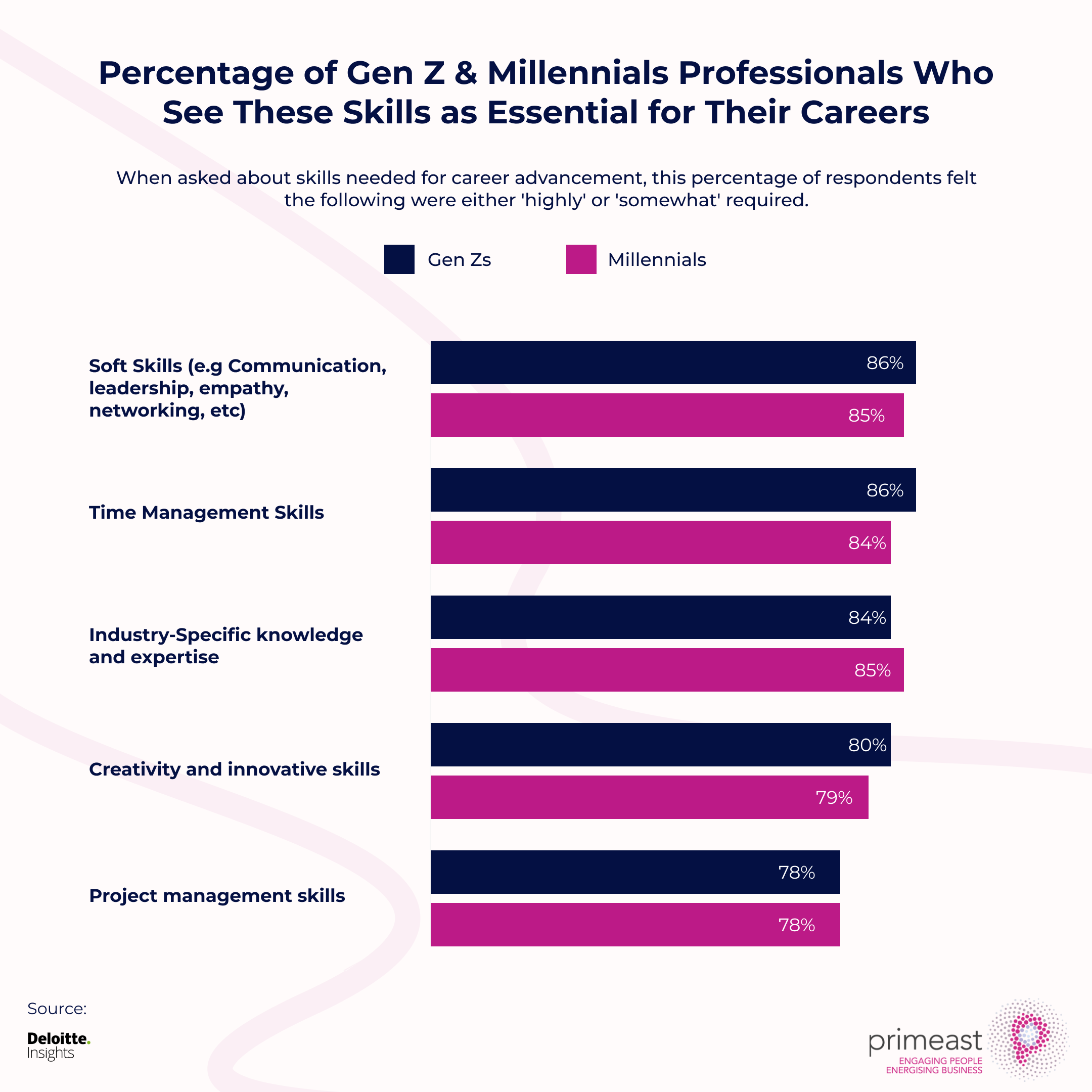
This shift in ambition isn’t just a theory; the data shows that Gen Z’s focus is laser-sharp on practical skill acquisition. Research with Deloitte shows that when asked what they deem essential for career advancement, their priorities are not abstract perks but foundational professional skills:
The Manager-Mentor Gap
Your future leaders aren’t looking for a boss. They’re looking for a coach.
They expect a guide who will invest in their growth, but they often find only a taskmaster. According to Deloitte, half of Gen Z employees want their managers to mentor them, yet only 36% ever experience it [Deloitte – Gen Zs and millennials at work]. This gap doesn’t just cause frustration; it redefines what leadership means to an entire generation.
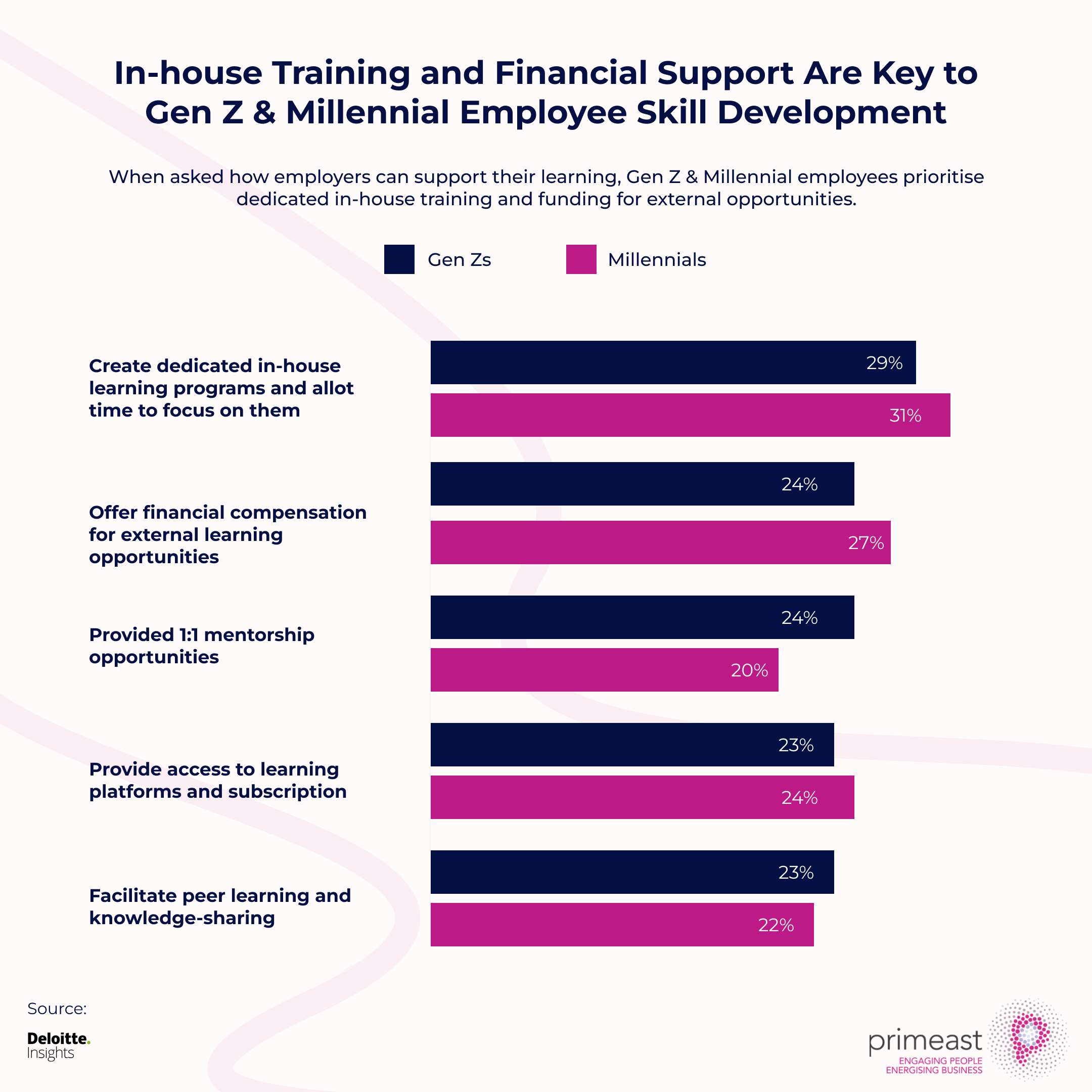
This desire for hands-on development is a clear expectation for Gen Zs. When we asked how employers can best support their learning needs, both generations overwhelmingly prioritized structured, supportive pathways over being left to figure things out on their own:
When young talent sees managers buried in spreadsheets and constantly putting out fires, the role looks less like a promotion and more like a punishment. They see a job that trades connection for control, and mentoring for monitoring.
Why would they climb a ladder that leads to a room with no view?
Purpose Is Non-Negotiable (And It’s Your Job to Connect It)
A paycheck is a start, but it’s no longer enough. For Gen Z, meaningful work isn’t a perk; it’s the entire point.
The data is clear: Nearly nine in ten young employees say purpose is critical to their job satisfaction, and 40% have rejected work that violates their ethics [Deloitte – Gen Zs and millennials at work].
This forces a change in the manager’s role. It’s no longer enough to just assign tasks. A manager must now answer the constant question, “Why does this matter?” A great leader connects a boring spreadsheet to the company’s mission to help customers.
They show how a routine report contributes to a bigger goal. One executive we recently coached at a global engineering firm called this ‘the moment the lights went on’ for her junior team.
Without that link, work is just a series of chores. And no one aspires to become the leader of chores.
| Aspect | Generation Z | Millennials | Generation X |
|---|---|---|---|
| Work Values | Pragmatic, prioritize financial security and career stability. | Idealistic, driven by experiences and passion. | Value independence and self-reliance. |
| Risk Appetite | Risk-averse, influenced by witnessing economic instability during their youth (e.g., the 2008 financial crisis). | More open to taking risks in pursuit of personal goals and experiences. | Cautious but willing to take calculated risks, shaped by the economic conditions of their time. |
| Technology Use | Highly connected, digital natives, adept at multitasking and handling multiple streams of information | Tech-savvy but grew up with the evolution of the internet and digital technology. | Adapted to digital technology later in life, but not as integrated as younger generations. |
| Communication Preferences | Prefer quick, concise communication, often through digital platforms. | Comfortable with both digital and face-to-face communication but leans towards digital tools. | More traditional in communication, prefer direct and face-to-face interactions, though adaptable to digital. |
| Collaboration | Highly collaborative, value teamwork and connection through digital platforms. | Collaborative, value teamwork but also seek personal recognition. | Independent workers, value autonomy and self-sufficiency. |
| Work-Life Balance | Value work-life balance, but willing to work hard for organizations that align with their values. | Strong emphasis on work-life balance, sometimes even prioritizing life experiences over work. | Value work-life balance, with a focus on balancing family responsibilities and career advancement. |
| Leadership Expectations | Expect transparency, authenticity, and ethical practices from leaders. | Desire leaders who are inspirational, inclusive, and supportive of personal development. | Prefer leaders who provide clear direction and allow autonomy. |
Source: [Most Effective Leadership Styles for Generation Z: A Review]
Well-being, Meaning, and Financial Security
For years, the deal was simple: trade your time and well-being for a bigger title and a better salary.
Gen Z isn’t buying it.
They aren’t just building a career; they’re building a life. They measure every opportunity against three simple questions:
- Does it pay the bills?
- Does the work matter?
- And will I have a life outside of it?
The old model of sacrificing health for the job is a deal they refuse to make. A recent survey shows 58% would take lower pay for better work-life balance, while 64% put peace of mind ahead of building wealth [Deloitte – Gen Zs and millennials at work].
This isn’t about avoiding hard work. It’s about avoiding burnout. With more than half of Gen Z living paycheck to paycheck, financial security is a constant worry. But a leadership role that forces them to sacrifice their health for the company’s bottom line isn’t an opportunity. It’s a broken promise.
Your Next Leadership Challenge
A new generation has arrived with a new definition of success. The old path to management, paved with personal sacrifice, leads nowhere they want to go.
This isn’t a retention problem. It’s a succession problem. The old career ladder is missing its top rungs because the jobs we need to fill are the ones our best people are now refusing to take.
But we shouldn’t be treating this a crisis, but as an invitation to do evolve.
It’s our chance to build a new kind of leadership. One that people are actually excited to be a part of.
If you’re ready to see how your current leadership model stacks up, you can start with Primeast’s free Leadership Readiness Assessment.
Why Your Gen Z Talent Is Avoiding Management
Are You Driving Your Future Leaders Away?
Key Takeaways:
- Gen Z wants a coach, not just a boss. They seek leaders who will actively mentor and invest in their growth. When they see managers overwhelmed and sacrificing connection for control, the role looks like a punishment, not a promotion.
- Purpose isn’t a perk; it’s the point. For this generation, a paycheck is not enough. Leaders must connect daily tasks to a wider, meaningful mission. Without that connection, work becomes a series of chores, and no one aspires to be the leader of chores.
- The old deal is off the table. The traditional trade-off, sacrificing personal well-being for a higher salary and title, is a deal Gen Z refuses to take. They measure opportunities against a balance of financial security, meaningful work, and a life outside the office. A leadership role that compromises any of these feels like a broken promise.
The leaders you need are already in your office.
By 2025, Gen Z will make up nearly a third of our workforce. They are skilled, driven, and ready to contribute. But they don’t want your job.
This isn’t a feeling; it’s a fact. A recent Deloitte survey found that only 6% of Gen Z employees see a senior leadership role as their main career goal [Deloitte – Gen Zs and millennials at work]. In the UK, it’s just 4%.
Why is the next generation turning away from the corner office?
The answer isn’t in their lack of ambition. It’s in the job we’re offering. The problem is the version of leadership they see every day, the one written in our own playbook.
This shift in ambition isn’t just a theory; the data shows that Gen Z’s focus is laser-sharp on practical skill acquisition. Research with Deloitte shows that when asked what they deem essential for career advancement, their priorities are not abstract perks but foundational professional skills:
The Manager-Mentor Gap
Your future leaders aren’t looking for a boss. They’re looking for a coach.
They expect a guide who will invest in their growth, but they often find only a taskmaster. According to Deloitte, half of Gen Z employees want their managers to mentor them, yet only 36% ever experience it [Deloitte – Gen Zs and millennials at work]. This gap doesn’t just cause frustration; it redefines what leadership means to an entire generation.
This desire for hands-on development is a clear expectation for Gen Zs. When we asked how employers can best support their learning needs, both generations overwhelmingly prioritised structured, supportive pathways over being left to figure things out on their own:
When young talent sees managers buried in spreadsheets and constantly putting out fires, the role looks less like a promotion and more like a punishment. They see a job that trades connection for control, and mentoring for monitoring.
Why would they climb a ladder that leads to a room with no view?
Purpose Is Non-Negotiable (And It’s Your Job to Connect It)
A paycheck is a start, but it’s no longer enough. For Gen Z, meaningful work isn’t a perk; it’s the entire point.
The data is clear: Nearly nine in ten young employees say purpose is critical to their job satisfaction, and 40% have rejected work that violates their ethics [Deloitte – Gen Zs and millennials at work].
This forces a change in the manager’s role. It’s no longer enough to just assign tasks. A manager must now answer the constant question, “Why does this matter?” A great leader connects a boring spreadsheet to the company’s mission to help customers.
They show how a routine report contributes to a bigger goal. One executive we recently coached at a global engineering firm called this ‘the moment the lights went on’ for her junior team.
Without that link, work is just a series of chores. And no one aspires to become the leader of chores.
| Aspect | Generation Z | Millennials | Generation X |
|---|---|---|---|
| Work Values | Pragmatic, prioritize financial security and career stability. | Idealistic, driven by experiences and passion. | Value independence and self-reliance. |
| Risk Appetite | Risk-averse, influenced by witnessing economic instability during their youth (e.g., the 2008 financial crisis). | More open to taking risks in pursuit of personal goals and experiences. | Cautious but willing to take calculated risks, shaped by the economic conditions of their time. |
| Technology Use | Highly connected, digital natives, adept at multitasking and handling multiple streams of information | Tech-savvy but grew up with the evolution of the internet and digital technology. | Adapted to digital technology later in life, but not as integrated as younger generations. |
| Communication Preferences | Prefer quick, concise communication, often through digital platforms. | Comfortable with both digital and face-to-face communication but leans towards digital tools. | More traditional in communication, prefer direct and face-to-face interactions, though adaptable to digital. |
| Collaboration | Highly collaborative, value teamwork and connection through digital platforms. | Collaborative, value teamwork but also seek personal recognition. | Independent workers, value autonomy and self-sufficiency. |
| Work-Life Balance | Value work-life balance, but willing to work hard for organizations that align with their values. | Strong emphasis on work-life balance, sometimes even prioritizing life experiences over work. | Value work-life balance, with a focus on balancing family responsibilities and career advancement. |
| Leadership Expectations | Expect transparency, authenticity, and ethical practices from leaders. | Desire leaders who are inspirational, inclusive, and supportive of personal development. | Prefer leaders who provide clear direction and allow autonomy. |
Source: [Most Effective Leadership Styles for Generation Z: A Review]
Well-being, Meaning, and Financial Security
For years, the deal was simple: trade your time and well-being for a bigger title and a better salary.
Gen Z isn’t buying it.
They aren’t just building a career; they’re building a life. They measure every opportunity against three simple questions:
- Does it pay the bills?
- Does the work matter?
- And will I have a life outside of it?
The old model of sacrificing health for the job is a deal they refuse to make. A recent survey shows 58% would take lower pay for better work-life balance, while 64% put peace of mind ahead of building wealth [Deloitte – Gen Zs and millennials at work].
This isn’t about avoiding hard work. It’s about avoiding burnout. With more than half of Gen Z living paycheck to paycheck, financial security is a constant worry. But a leadership role that forces them to sacrifice their health for the company’s bottom line isn’t an opportunity. It’s a broken promise.
Your Next Leadership Challenge
A new generation has arrived with a new definition of success. The old path to management, paved with personal sacrifice, leads nowhere they want to go.
This isn’t a retention problem. It’s a succession problem. The old career ladder is missing its top rungs because the jobs we need to fill are the ones our best people are now refusing to take.
But we shouldn’t be treating this a crisis, but as an invitation to do evolve.
It’s our chance to build a new kind of leadership. One that people are actually excited to be a part of.
If you’re ready to see how your current leadership model stacks up, you can start with Primeast’s free Leadership Readiness Assessment.
The Manager’s Guide to Spotting Employee Burnout
Key Takeaways:
- Engagement can hide burnout. High performance is not a reliable sign of well-being. A recent survey found that while 88% of knowledge workers felt engaged, 82% of them also reported feeling burned out.
- Burnout is an organizational problem, not a personal one. As a manager, you are the first line of defense. The World Health Organization defines burnout as a syndrome from chronic, unmanaged workplace stress.
- Look for changes from normal behavior. The key to spotting burnout is to notice shifts in an employee’s conduct. The three dimensions to watch are exhaustion (energy loss), cynicism (mental distance), and reduced professional efficacy (a drop in performance and confidence)
The Engagement Paradox
What if your most engaged employees are also your most exhausted?
We are taught that high engagement means a healthy team. But the data reveals a paradox. A 2024/2025 survey found that while 88% of knowledge workers felt engaged, 82% also reported feeling burned out. Some said burnout even increased their engagement, possibly as a way to cope
This paradox is a critical blind spot for leaders. You cannot rely on engagement scores alone to measure your team’s well-being.
Your challenge is to look deeper. You must become a “burnout detective,” able to spot the early signs of struggle before they become serious problems.
This guide gives you a framework for that work. You will learn the three dimensions of burnout, how it differs from stress, and how to use conversation to detect it early. The goal is to open the door for support, recovery, and a healthier work culture.
Why Managers Are the First Line of Defence
Spotting employee burnout is not just an HR function. It is a core leadership responsibility. Research is clear that burnout is an organizational problem, not a personal failing. The World Health Organization defines it as a syndrome from “chronic workplace stress that has not been successfully managed”. This puts the focus on the work environment you help create.
Ignoring the signs is costly. Poor mental health costs UK employers up to £45 billion annually. Globally, the WHO estimates a $1 trillion loss in productivity from stress each year. A burned-out employee is also three times more likely to seek a new job.
Reading the Signs: The Three Dimensions of Burnout
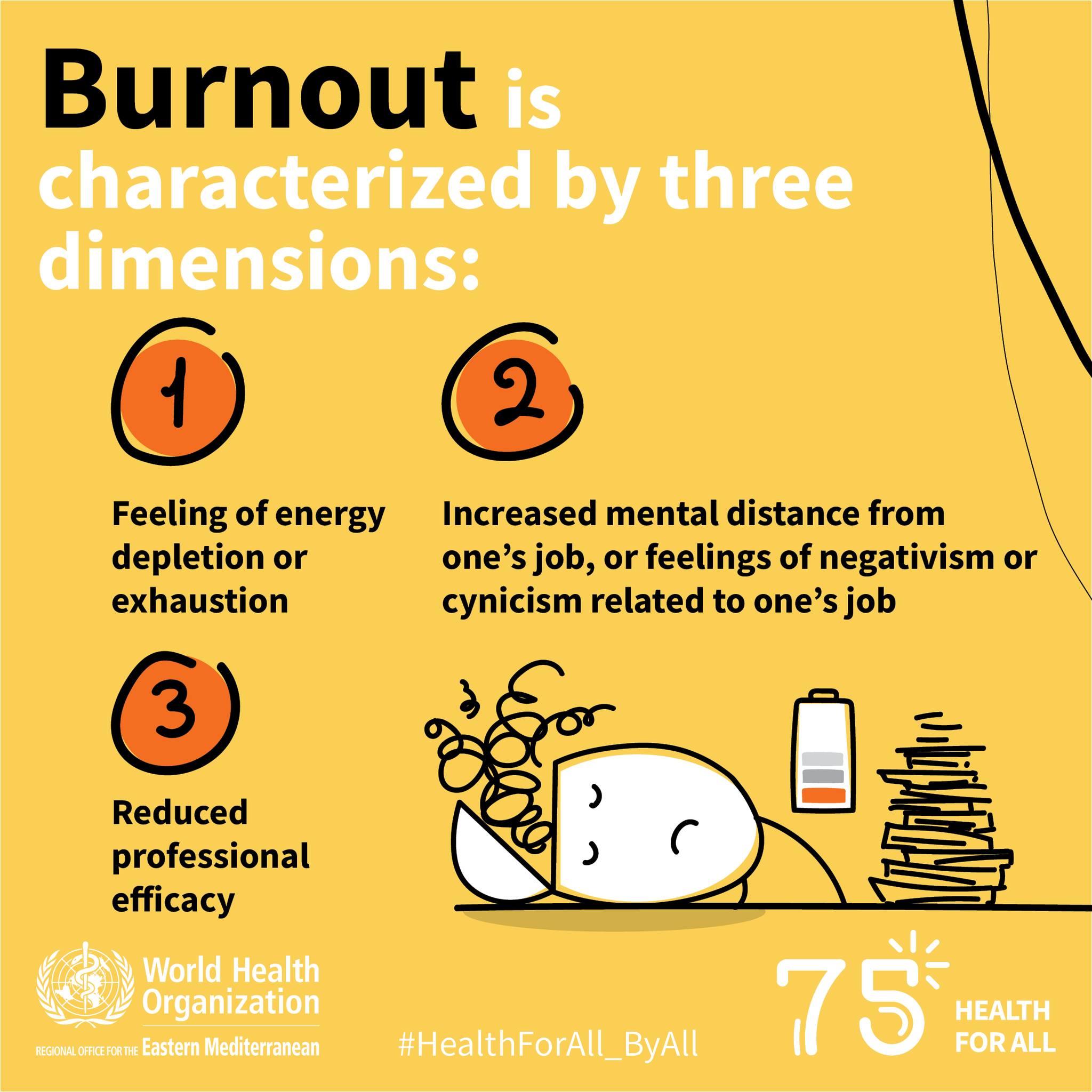
To spot burnout early, you must look beyond “tiredness.” The World Health Organization’s three dimensions of burnout provide a better framework. This model helps you understand what your employee is experiencing.
Dimension 1: Exhaustion (Deep Tiredness)
This is the core of burnout. The employee feels completely drained, with no physical or emotional energy left. Normal rest does not fix this deep-seated fatigue.
What to Look For:
- More frequent sick days or unexplained absences.
- Being physically present but mentally disengaged (“presenteeism”).
- Complaints of chronic fatigue, sleep problems, or persistent tiredness.
- Neglecting personal needs, such as consistently skipping breaks or working through lunch.
Dimension 2: Cynicism (Feeling Detached)
The employee develops a negative or indifferent attitude toward their job. They may feel emotionally distant from their work, colleagues, and the company’s purpose.
What to Look For:
- Withdrawing from team activities and social interactions.
- Reduced participation or uncharacteristic silence in meetings.
- Expressing consistently cynical or negative views about work.
- A general loss of enthusiasm and motivation for work-related activities.
Dimension 3: Feeling Ineffective
This is a decline in an employee’s sense of competence. They begin to doubt their ability to do the job well and may feel their work no longer matters.
What to Look For:
- A noticeable drop in the quality of work or an increase in errors.
- Trouble starting tasks, difficulty focusing, or more frequently missed deadlines.
- Uncharacteristic irritability or impatience with colleagues or clients.
- Expressions of self-doubt about their skills or abilities.
A Crucial Insight for Managers:
The key is to look for changes from an employee’s normal behavior. It is easy to mistake withdrawal or disengagement for a bad attitude. Approach these changes with empathy. Ask yourself if burnout, not poor performance, is the root cause.
Your Toolkit for Proactive Detection of Burnout
Knowing the signs of burnout is the first step. The next is to act. This toolkit provides three techniques to help you understand what is happening with your team.
Tool 1: Have a Supportive Conversation
If you suspect an employee is struggling, approach them with sensitivity. Your goal is not to diagnose. It is to open a dialogue and show you care.
- How to Prepare: Gather specific, objective examples, such as, “I’ve noticed you’ve been quieter in team meetings.” Avoid judgment. Choose a private place where you will not be interrupted.
- How to Begin: Gently express your concern. An open question works well: “Are you alright? You seem more stressed than usual lately.”
- How to Listen: Listen without interruption. Focus on understanding their view. Validate their feelings with phrases like, “It sounds like you’re dealing with a lot.”
- Actionable Questions: Use open-ended questions to encourage dialogue:
- “How have you been feeling about your workload recently?”
- “Are you getting the support and cooperation you need from the team?”
- “How are you finding your current projects in terms of interest and manageability?”
Tool 2: Know the Difference Between Stress and Burnout
Burnout comes from chronic stress, but the two states are different and require different support. A stressed employee is often over-engaged and frantic. A burned-out employee is typically disengaged and detached. This distinction is crucial for providing the right help.
| Characteristic | Stress | Burnout |
|---|---|---|
| Engagement | Over-engaged, frantic | Disengaged, detached. |
| Emotions | Anxious, irritable, urgent. | Apathetic, hopeless, cynical. |
| Outlook | Still sees a way out. | Feels trapped and helpless |
| Energy | Wired" then exhausted. | Deeply exhausted; nothing left. |
| Primary Feeling | Overwhelmed by pressure. | Empty and unmotivated. |
Tool 3: Use Your Check-ins to Ask About Wellbeing
Your regular one-on-one meetings are not just for project updates. They are one of your best tools for spotting burnout early. Google’s Project Oxygen found that managers who hold regular one-on-ones have higher-performing teams.
Make conversations about well-being a normal part of your routine. This builds the trust people need to be honest about the pressures they face. It allows you to offer support long before they reach a crisis.
From Detection to Meaningful Action
Learning to see the signs of burnout is a critical leadership skill. But detection is not the goal. It is the beginning.
Spotting these signs is your chance to start a real conversation. It allows you to intervene with empathy and offer the support a person needs. It is also your chance to learn about the stresses affecting your entire team. Spotting burnout is not about finding fault. It is about showing you care. By developing this skill, you are not just solving a problem. You are building a stronger, healthier team.
Contact us today if you need help spotting the early signs of burnout amongst your employees.
The Manager’s Guide to Spotting Employee Burnout
Key Takeaways:
- Engagement can hide burnout. High performance is not a reliable sign of well-being. A recent survey found that while 88% of knowledge workers felt engaged, 82% of them also reported feeling burned out.
- Burnout is an organisational problem, not a personal one. As a manager, you are the first line of defence. The World Health Organisation defines burnout as a syndrome from chronic, unmanaged workplace stress.
- Look for changes from normal behaviour. The key to spotting burnout is to notice shifts in an employee’s conduct. The three dimensions to watch are exhaustion (energy loss), cynicism (mental distance), and reduced professional efficacy (a drop in performance and confidence)
The Engagement Paradox
What if your most engaged employees are also your most exhausted?
We are taught that high engagement means a healthy team. But the data reveals a paradox. A 2024/2025 survey found that while 88% of knowledge workers felt engaged, 82% also reported feeling burned out. Some said burnout even increased their engagement, possibly as a way to cope
This paradox is a critical blind spot for leaders. You cannot rely on engagement scores alone to measure your team’s well-being.
Your challenge is to look deeper. You must become a “burnout detective,” able to spot the early signs of struggle before they become serious problems.
This guide gives you a framework for that work. You will learn the three dimensions of burnout, how it differs from stress, and how to use conversation to detect it early. The goal is to open the door for support, recovery, and a healthier work culture.
Why Managers Are the First Line of Defence
Spotting employee burnout is not just an HR function. It is a core leadership responsibility. Research is clear that burnout is an organisational problem, not a personal failing. The World Health Organisation defines it as a syndrome from “chronic workplace stress that has not been successfully managed”. This puts the focus on the work environment you help create.
Ignoring the signs is costly. Poor mental health costs UK employers up to £45 billion annually. Globally, the WHO estimates a $1 trillion loss in productivity from stress each year. A burned-out employee is also three times more likely to seek a new job.
Reading the Signs: The Three Dimensions of Burnout
To spot burnout early, you must look beyond “tiredness.” The World Health Organisation’s three dimensions of burnout provide a better framework. This model helps you understand what your employee is experiencing.
Dimension 1: Exhaustion (Deep Tiredness)
This is the core of burnout. The employee feels completely drained, with no physical or emotional energy left. Normal rest does not fix this deep-seated fatigue.
What to Look For:
- More frequent sick days or unexplained absences.
- Being physically present but mentally disengaged (“presenteeism”).
- Complaints of chronic fatigue, sleep problems, or persistent tiredness.
- Neglecting personal needs, such as consistently skipping breaks or working through lunch.
Dimension 2: Cynicism (Feeling Detached)
The employee develops a negative or indifferent attitude toward their job. They may feel emotionally distant from their work, colleagues, and the company’s purpose.
What to Look For:
- Withdrawing from team activities and social interactions.
- Reduced participation or uncharacteristic silence in meetings.
- Expressing consistently cynical or negative views about work.
- A general loss of enthusiasm and motivation for work-related activities.
Dimension 3: Feeling Ineffective
This is a decline in an employee’s sense of competence. They begin to doubt their ability to do the job well and may feel their work no longer matters.
What to Look For:
- A noticeable drop in the quality of work or an increase in errors.
- Trouble starting tasks, difficulty focusing, or more frequently missed deadlines.
- Uncharacteristic irritability or impatience with colleagues or clients.
- Expressions of self-doubt about their skills or abilities.
A Crucial Insight for Managers:
The key is to look for changes from an employee’s normal behaviour. It is easy to mistake withdrawal or disengagement for a bad attitude. Approach these changes with empathy. Ask yourself if burnout, not poor performance, is the root cause.
Your Toolkit for Proactive Detection of Burnout
Knowing the signs of burnout is the first step. The next is to act. This toolkit provides three techniques to help you understand what is happening with your team.
Tool 1: Have a Supportive Conversation
If you suspect an employee is struggling, approach them with sensitivity. Your goal is not to diagnose. It is to open a dialogue and show you care.
- How to Prepare: Gather specific, objective examples, such as, “I’ve noticed you’ve been quieter in team meetings.” Avoid judgment. Choose a private place where you will not be interrupted.
- How to Begin: Gently express your concern. An open question works well: “Are you alright? You seem more stressed than usual lately.”
- How to Listen: Listen without interruption. Focus on understanding their view. Validate their feelings with phrases like, “It sounds like you’re dealing with a lot.”
- Actionable Questions: Use open-ended questions to encourage dialogue:
- “How have you been feeling about your workload recently?”
- “Are you getting the support and cooperation you need from the team?”
- “How are you finding your current projects in terms of interest and manageability?”
Tool 2: Know the Difference Between Stress and Burnout
Burnout comes from chronic stress, but the two states are different and require different support. A stressed employee is often over-engaged and frantic. A burned-out employee is typically disengaged and detached. This distinction is crucial for providing the right help.
| Characteristic | Stress | Burnout |
|---|---|---|
| Engagement | Over-engaged, frantic | Disengaged, detached. |
| Emotions | Anxious, irritable, urgent. | Apathetic, hopeless, cynical. |
| Outlook | Still sees a way out. | Feels trapped and helpless |
| Energy | Wired" then exhausted. | Deeply exhausted; nothing left. |
| Primary Feeling | Overwhelmed by pressure. | Empty and unmotivated. |
Tool 3: Use Your Check-ins to Ask About Wellbeing
Your regular one-on-one meetings are not just for project updates. They are one of your best tools for spotting burnout early. Google’s Project Oxygen found that managers who hold regular one-on-ones have higher-performing teams.
Make conversations about well-being a normal part of your routine. This builds the trust people need to be honest about the pressures they face. It allows you to offer support long before they reach a crisis.
From Detection to Meaningful Action
Learning to see the signs of burnout is a critical leadership skill. But detection is not the goal. It is the beginning.
Spotting these signs is your chance to start a real conversation. It allows you to intervene with empathy and offer the support a person needs. It is also your chance to learn about the stresses affecting your entire team. Spotting burnout is not about finding fault. It is about showing you care. By developing this skill, you are not just solving a problem. You are building a stronger, healthier team.
Contact us today if you need help spotting the early signs of burnout amongst your employees.
7 Ways to Boost Your Resilience at Work
Key Takeaways:
- Resilience is a skill, not a fixed trait: You are not simply “born resilient”. Research shows resilience at work is a capacity that can be intentionally developed and strengthened over time through practice.
- The Cost of Neglect Is High: Poor mental health costs UK employers £45 billion annually and leads to a $1 trillion loss in global productivity each year. Resilient individuals are 50% less likely to experience burnout.
- Small, practical actions are key. Lasting resilience is built through consistent practice in several areas. These include controlling your thinking, adapting to change, protecting your well-being, and building a strong support network.
The modern workplace brings rapid change and constant pressure. Some people navigate this world well. They adapt, grow, and even thrive. What sets them apart?
The answer is resilience.
But resilience is more than ‘bouncing back’ from setbacks. It is the skill of adapting to difficult experiences. It means using your mind, emotions, and actions to emerge from hardship stronger and better prepared for the next challenge.
This guide offers a clear, data-driven path to building that resilience at work. It provides seven practical actions to develop resilience in your people. You will see the high cost of ignoring resilience and why thriving under pressure is now essential.
You can equip your teams to not only withstand pressure, but to use it as a catalyst for growth. This guide shows you how.
What is Workplace Resilience?
We often think of resilience as simple toughness. An ability to endure. But that view is incomplete.
True resilience means adapting well to difficult experiences. It is not passive endurance. It is an active skill, built on flexible thoughts, emotions, and actions. This ability to adapt helps people emerge from hardship stronger than before.
Resilience matters for both people and their companies.
Resilient people protect their own well-being, while resilient organizations anticipate and adapt to disruption. The two are linked. A supportive company makes its people more resilient. And resilient people are the foundation of a resilient company.
Research from Harvard Business Review identifies three traits of resilient people and organizations:
- Accepting reality. They see things as they are. This allows them to act effectively.
- Finding meaning. They find purpose in hardship, which gives them direction.
- Improvising well. They use what they have to find new solutions.
These are not fixed traits. They are a blend of realism, purpose, and adaptability. They are skills you can learn.
Why Resilience is Non-Negotiable
Workplace stress is not a minority issue. Recent studies show 84% of workers feel their job has contributed to at least one mental health challenge.
Ignoring this reality is expensive.
Low resilience creates a cycle of burnout, high turnover, and lost productivity. Investing in a resilient workforce delivers clear returns. The choice is stark:
| The Cost of Low Resilience (Neglect) | The Rewards of High Resilience (Investment) |
|---|---|
| Increased Burnout: Resilient people are 50% less likely to experience burnout. | Increased Productivity & Performance: Resilient employees report higher productivity and job satisfaction |
| Employee Turnover: Disengaged employees are 87% more likely to leave, costing up to £30,000 per replacement. | Higher Employee Engagement: Highly engaged employees are far less likely to leave. |
| Reduced Productivity: Poor mental health costs UK employers £45B a year. Global losses from stress reach $1T. | Improved Wellbeing & Reduced Stress: Resilience training can deliver a 2.5x ROI through better productivity and reduced stress. |
| Lower Engagement: Only 23% of employees report feeling both resilient and adaptable. | Greater Adaptability to Change: Employees using their strengths are 43% more likely to adapt well to change. |
Despite the costs, only 16% of employers invest in resilience training. This is a major oversight. Building resilience is not just about reducing risk. It is about unlocking your team’s full potential.
Resilience is a Skill, Not a Trait
Many people believe you are either born resilient or you are not. This is a myth. Resilience is not a fixed trait. It is a set of skills you can learn and strengthen over time.

This is possible because our brains are adaptable. Through practice, we can form new habits and responses. This makes resilience a skill that can be taught and learned effectively.
Avoiding the Resilience Traps
Building resilience requires wisdom. A blind focus on “toughness” can be a trap. It can lead people to tolerate toxic workplaces or pursue foolish goals. True resilience requires good judgment.
We must also avoid “toxic positivity”, forcing a positive spin on every problem. This approach damages psychological safety and prevents real coping. True resilience acknowledges all emotions, good and bad.
Finally, organizations cannot place the burden of resilience only on the individual. When systemic issues like chronic overwork or poor leadership cause stress, the organization must change. Expecting individuals to simply “be more resilient” is unfair and ineffective.
The 7 Pillars of Building Resilience at Work
Building resilience is a skill. The seven actions below are interconnected, and together, they create a strong foundation for a resilient career.
Your Resilience Toolkit: The 7 Pillars at a Glance
| Pillar Name | Core Principle | Key Action Areas |
|---|---|---|
| 1. Control Your Thinking | Build a realistic and purposeful view of your work | Frame problems differently. Manage your emotions. Focus on what you can control. |
| 2. Adapt to Change | See challenges as chances to grow | Solve problems with a clear process. Be flexible. Learn from mistakes. |
| 3. Use Your Strengths | Fuel your energy with a sense of purpose. | Know your top strengths. Find small ways to use them every day. |
| 4. Build a Support Network | Foster strong, supportive relationships. | Nurture professional friendships. Practice active listening. Offer help to others. |
| 5. Protect Your Wellbeing | Maintain your physical and mental health. | Set clear work-life boundaries. Take regular breaks. Use company health resources. |
| 6. Keep Learning | Believe your abilities can be developed. | Ask "What can I learn?" after a setback. Seek feedback to improve. |
| 7. Set Clear Boundaries | Understand your workplace and protect your focus | Learn to say "no" to extra tasks. Communicate your limits respectfully. |
1. Control Your Thinking
Resilience starts with how you think. A resilient mindset combines an honest view of reality with a strong sense of purpose. It means managing your emotions well and focusing on what you can control.
Actionable Insight: When you face a challenge, separate facts from fears. Find meaning by connecting the task to a core value. Before reacting, pause and take a deep breath; this ensures your response is measured, not impulsive.
2. Adapt to Change
Work is always changing. Resilience requires agility, the skill of seeing change as a chance to grow, not as a threat. It means thinking flexibly, solving problems creatively, and treating setbacks as lessons.
Actionable Insight: Use a simple problem-solving framework: 1. Define the problem. 2. Analyze its causes. 3. Find potential solutions. 4. Implement your choice. 5. Review the result. When stuck, discuss challenges with colleagues to get new ideas.
3. Use Your Strengths
Lasting resilience comes from within. When your work aligns with your strengths and purpose, it gives you energy instead of draining it. This alignment is a powerful motivator when you are under pressure.
Actionable Insight: Identify your top three strengths. Ask for feedback or simply reflect. Find small ways to use these strengths every day. This practice, known as “job crafting,” makes work more meaningful.
4. Build a Support Network
You cannot build resilience alone. Your social connections are critical for navigating tough times. A network built on trust provides practical and emotional support when you need it most.
Actionable Insight: Nurture your professional relationships. Build genuine connections. Practice active listening to understand others before you respond. Offer help when you can, as giving support is as useful as receiving it.
5. Protect Your Wellbeing
Your physical and mental health directly affect your resilience. Self-care is not a luxury. It is essential for good performance. Neglecting your well-being makes everything harder.
Actionable Insight: Set clear boundaries between work and personal life. Take regular breaks and get physical activity into your day. Use any well-being resources your company provides, such as Employee Assistance Programs.
6. Keep Learning
A growth mindset is the belief that you can develop your abilities through hard work. It is crucial for resilience. This view helps you see challenges as chances to learn, not as roadblocks.
Actionable Insight: After a setback, ask, “What can I learn?” not “Why did this happen?” Seek feedback to improve. Celebrate progress, not just perfection.
7. Set Clear Boundaries
Your personal resilience exists within your workplace system. True resilience requires the wisdom to understand that system. It means setting firm boundaries to protect yourself from things like toxic positivity. You must know when to push through and when to push for change.
Actionable Insight: Set clear, respectful boundaries around your workload and hours. Communicate assertively to advocate for your needs. This may mean negotiating a deadline or simply saying “no” when your plate is full.
The Organisation’s Role
The seven pillars give power to individuals, but they do not work in a vacuum. A company must create an environment where resilience can grow. This effort has to be part of the culture, led from the top.
Leaders must lead by example. They must invest in their own resilience to model the right behavior. The goal is a culture of psychological safety, where people feel safe to speak up about concerns or mistakes. Trust allows teams to be flexible and creative in a crisis.
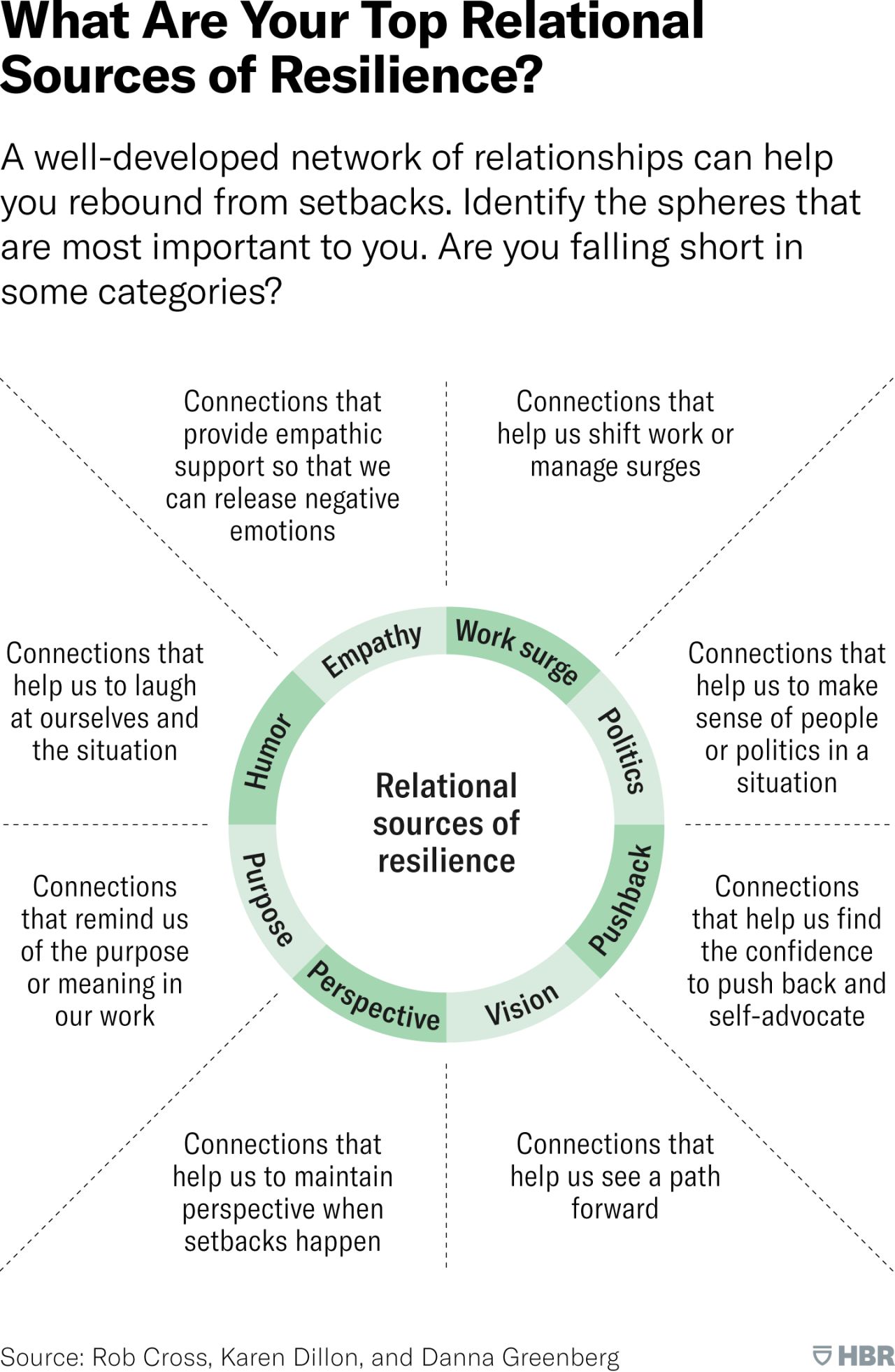
To build this environment, organizations should:
- Provide real resources: Offer access to mental health support and ensure workloads are manageable.
- Communicate openly: Create honest, two-way communication channels and listen to employee concerns.
- Value people: Use regular check-ins, development opportunities, and recognition to show employees they matter.
A proactive approach creates a healthier and more adaptive workplace.
Your Journey to Lasting Resilience
Resilience is not a destination. It is a continuous practice of learning and adapting. The path is built on small, consistent actions. Choose one or two strategies from this guide that feel right for you. Apply them with patience, and you will see real change.
Investing in resilience is an investment in your people and your company’s success. It creates a healthier, more adaptive, and more productive culture for everyone.
Contact us today for more information on how to build resilience within your team.
7 Ways to Boost Your Resilience at Work
Key Takeaways:
- Resilience is a skill, not a fixed trait: You are not simply “born resilient”. Research shows resilience at work is a capacity that can be intentionally developed and strengthened over time through practice.
- The Cost of Neglect Is High: Poor mental health costs UK employers £45 billion annually and leads to a $1 trillion loss in global productivity each year. Resilient individuals are 50% less likely to experience burnout.
- Small, practical actions are key. Lasting resilience is built through consistent practice in several areas. These include controlling your thinking, adapting to change, protecting your well-being, and building a strong support network.
The modern workplace brings rapid change and constant pressure. Some people navigate this world well. They adapt, grow, and even thrive. What sets them apart?
The answer is resilience.
But resilience is more than ‘bouncing back’ from setbacks. It is the skill of adapting to difficult experiences. It means using your mind, emotions, and actions to emerge from hardship stronger and better prepared for the next challenge.
This guide offers a clear, data-driven path to building that resilience at work. It provides seven practical actions to develop resilience in your people. You will see the high cost of ignoring resilience and why thriving under pressure is now essential.
You can equip your teams to not only withstand pressure, but to use it as a catalyst for growth. This guide shows you how.
What is Workplace Resilience?
We often think of resilience as simple toughness. An ability to endure. But that view is incomplete.
True resilience means adapting well to difficult experiences. It is not passive endurance. It is an active skill, built on flexible thoughts, emotions, and actions. This ability to adapt helps people emerge from hardship stronger than before.
Resilience matters for both people and their companies.
Resilient people protect their own well-being, while resilient organisations anticipate and adapt to disruption. The two are linked. A supportive company makes its people more resilient. And resilient people are the foundation of a resilient company.
Research from Harvard Business Review identifies three traits of resilient people and organisations:
- Accepting reality. They see things as they are. This allows them to act effectively.
- Finding meaning. They find purpose in hardship, which gives them direction.
- Improvising well. They use what they have to find new solutions.
These are not fixed traits. They are a blend of realism, purpose, and adaptability. They are skills you can learn.
Why Resilience is Non-Negotiable
Workplace stress is not a minority issue. Recent studies show 84% of workers feel their job has contributed to at least one mental health challenge.
Ignoring this reality is expensive.
Low resilience creates a cycle of burnout, high turnover, and lost productivity. Investing in a resilient workforce delivers clear returns. The choice is stark:
| The Cost of Low Resilience (Neglect) | The Rewards of High Resilience (Investment) |
|---|---|
| Increased Burnout: Resilient people are 50% less likely to experience burnout. | Increased Productivity & Performance: Resilient employees report higher productivity and job satisfaction |
| Employee Turnover: Disengaged employees are 87% more likely to leave, costing up to £30,000 per replacement. | Higher Employee Engagement: Highly engaged employees are far less likely to leave. |
| Reduced Productivity: Poor mental health costs UK employers £45B a year. Global losses from stress reach $1T. | Improved Wellbeing & Reduced Stress: Resilience training can deliver a 2.5x ROI through better productivity and reduced stress. |
| Lower Engagement: Only 23% of employees report feeling both resilient and adaptable. | Greater Adaptability to Change: Employees using their strengths are 43% more likely to adapt well to change. |
Despite the costs, only 16% of employers invest in resilience training. This is a major oversight. Building resilience is not just about reducing risk. It is about unlocking your team’s full potential.
Resilience is a Skill, Not a Trait
Many people believe you are either born resilient or you are not. This is a myth. Resilience is not a fixed trait. It is a set of skills you can learn and strengthen over time.
This is possible because our brains are adaptable. Through practice, we can form new habits and responses. This makes resilience a skill that can be taught and learned effectively.
Avoiding the Resilience Traps
Building resilience requires wisdom. A blind focus on “toughness” can be a trap. It can lead people to tolerate toxic workplaces or pursue foolish goals. True resilience requires good judgment.
We must also avoid “toxic positivity”, forcing a positive spin on every problem. This approach damages psychological safety and prevents real coping. True resilience acknowledges all emotions, good and bad.
Finally, organisations cannot place the burden of resilience only on the individual. When systemic issues like chronic overwork or poor leadership cause stress, the organisation must change. Expecting individuals to simply “be more resilient” is unfair and ineffective.
The 7 Pillars of Building Resilience at Work
Building resilience is a skill. The seven actions below are interconnected, and together, they create a strong foundation for a resilient career.
Your Resilience Toolkit: The 7 Pillars at a Glance
| Pillar Name | Core Principle | Key Action Areas |
|---|---|---|
| 1. Control Your Thinking | Build a realistic and purposeful view of your work | Frame problems differently. Manage your emotions. Focus on what you can control. |
| 2. Adapt to Change | See challenges as chances to grow | Solve problems with a clear process. Be flexible. Learn from mistakes. |
| 3. Use Your Strengths | Fuel your energy with a sense of purpose. | Know your top strengths. Find small ways to use them every day. |
| 4. Build a Support Network | Foster strong, supportive relationships. | Nurture professional friendships. Practice active listening. Offer help to others. |
| 5. Protect Your Wellbeing | Maintain your physical and mental health. | Set clear work-life boundaries. Take regular breaks. Use company health resources. |
| 6. Keep Learning | Believe your abilities can be developed. | Ask "What can I learn?" after a setback. Seek feedback to improve. |
| 7. Set Clear Boundaries | Understand your workplace and protect your focus | Learn to say "no" to extra tasks. Communicate your limits respectfully. |
1. Control Your Thinking
Resilience starts with how you think. A resilient mindset combines an honest view of reality with a strong sense of purpose. It means managing your emotions well and focusing on what you can control.
Actionable Insight: When you face a challenge, separate facts from fears. Find meaning by connecting the task to a core value. Before reacting, pause and take a deep breath; this ensures your response is measured, not impulsive.
2. Adapt to Change
Work is always changing. Resilience requires agility, the skill of seeing change as a chance to grow, not as a threat. It means thinking flexibly, solving problems creatively, and treating setbacks as lessons.
Actionable Insight: Use a simple problem-solving framework: 1. Define the problem. 2. Analyze its causes. 3. Find potential solutions. 4. Implement your choice. 5. Review the result. When stuck, discuss challenges with colleagues to get new ideas.
3. Use Your Strengths
Lasting resilience comes from within. When your work aligns with your strengths and purpose, it gives you energy instead of draining it. This alignment is a powerful motivator when you are under pressure.
Actionable Insight: Identify your top three strengths. Ask for feedback or simply reflect. Find small ways to use these strengths every day. This practice, known as “job crafting,” makes work more meaningful.
4. Build a Support Network
You cannot build resilience alone. Your social connections are critical for navigating tough times. A network built on trust provides practical and emotional support when you need it most.
Actionable Insight: Nurture your professional relationships. Build genuine connections. Practice active listening to understand others before you respond. Offer help when you can, as giving support is as useful as receiving it.
5. Protect Your Wellbeing
Your physical and mental health directly affect your resilience. Self-care is not a luxury. It is essential for good performance. Neglecting your wellbeing makes everything harder.
Actionable Insight: Set clear boundaries between work and personal life. Take regular breaks and get physical activity into your day. Use any wellbeing resources your company provides, such as Employee Assistance Programmes
6. Keep Learning
A growth mindset is the belief that you can develop your abilities through hard work. It is crucial for resilience. This view helps you see challenges as chances to learn, not as roadblocks.
Actionable Insight: After a setback, ask, “What can I learn?” not “Why did this happen?” Seek feedback to improve. Celebrate progress, not just perfection.
7. Set Clear Boundaries
Your personal resilience exists within your workplace system. True resilience requires the wisdom to understand that system. It means setting firm boundaries to protect yourself from things like toxic positivity. You must know when to push through and when to push for change.
Actionable Insight: Set clear, respectful boundaries around your workload and hours. Communicate assertively to advocate for your needs. This may mean negotiating a deadline or simply saying “no” when your plate is full.
The Organisation’s Role
The seven pillars give power to individuals, but they do not work in a vacuum. A company must create an environment where resilience can grow. This effort has to be part of the culture, led from the top.
Leaders must lead by example. They must invest in their own resilience to model the right behaviour. The goal is a culture of psychological safety, where people feel safe to speak up about concerns or mistakes. Trust allows teams to be flexible and creative in a crisis.
To build this environment, organisations should:
- Provide real resources: Offer access to mental health support and ensure workloads are manageable.
- Communicate openly: Create honest, two-way communication channels and listen to employee concerns.
- Value people: Use regular check-ins, development opportunities, and recognition to show employees they matter.
A proactive approach creates a healthier and more adaptive workplace.
Your Journey to Lasting Resilience
Resilience is not a destination. It is a continuous practice of learning and adapting. The path is built on small, consistent actions. Choose one or two strategies from this guide that feel right for you. Apply them with patience, and you will see real change.
Investing in resilience is an investment in your people and your company’s success. It creates a healthier, more adaptive, and more productive culture for everyone.
Contact us today for more information on how to build resilience within your team.
Why Skilled Workers Struggle as Managers & How to Change That
Think of David. For years, he was your best welder; precise, efficient, always hitting his targets. So, you promoted him to First-Line Manager. It seemed the logical step. Six months later, David is stressed. His team’s output is inconsistent. You wonder what changed? Does this situation sound familiar in your facility?
It’s a common story in manufacturing and warehousing. We spot top technical workers, those skilled in their craft, and promote them to lead. It’s a way to reward skill and dedication. Yet, too often, neither the new manager nor the business sees the positive results they hoped for.
Question: Why does this happen so frequently?
The truth is, the exceptional skills of a great technician often differ vastly from those needed to effectively lead and inspire a team. This transition is a significant hurdle. But what if there was a clear strategy to bridge this gap and turn those skilled workers into truly effective managers who drive performance?
The Promotion Paradox: Rewarding Skill, Creating Struggle
Why does this rewarding promotion often create a difficult situation? It often starts with the best intentions. In manufacturing and warehouses, we value technically excellent people. They know the machinery, understand the processes, and consistently deliver high-quality work.
Promoting star technicians to management seems smart. It recognizes their skill and ensures high standards continue.
But top individual work skills rarely match those needed to lead and grow a team. The focus shifts from doing work to getting work done through others. This is a big change many are unprepared for.
Remember: If your newly promoted managers are finding this transition difficult, it’s seldom a reflection of their previous skill or work ethic. More often, they haven’t been equipped with the specific tools and mindset required for this distinctly different leadership role.

This leaves you asking: how can we better prepare our technical experts to become effective leaders and build the key skills they now need?
From Doing the Work to Leading the People
As a leader, you know that a skilled technician’s success is built on their deep technical expertise, their ability to solve practical, hands-on problems, and their direct personal output. They understand their specific tasks and equipment intimately. When you promote them to manager, however, the entire definition of success changes.
Their value is now less about their individual technical input and more about their ability to enable their team to perform. This transition demands a new set of competencies that often require focused development:
- Communicating with Impact: Beyond understanding a task, managers must clearly articulate the ‘what’ and the ‘why’ to their team. This ensures everyone understands the goals and their specific contribution to achieving them.
- Setting Clear Expectations: Effective managers learn to define what good performance looks like and apply these standards consistently. They need to be skilled in framing these expectations so that every team member understands their role and responsibilities.
- Developing Your Team: The focus shifts to motivating individuals and identifying their unique strengths and areas for growth. Helping a team reach its full potential is a core leadership skill that directly impacts your business’s capabilities.
- Giving Feedback That Helps: Good managers create a culture where two-way feedback is normal and constructive, which is essential for improving both individual and team performance. This involves learning practical techniques for delivering messages that inspire positive change.
- Handling Difficult Situations: Challenging conversations are an unavoidable part of management. Equipping managers with the emotional intelligence to navigate these situations effectively builds trust and resolves issues efficiently, maintaining team cohesion.
Remember: New managers often find these people skills most demanding. Managing tasks is one thing; leading people with new techniques is very different.
Why It Matters: The Real Costs to the Business
When a technician becomes a manager, the challenge isn’t just personal. It directly and greatly impacts the business. Senior leaders must understand these impacts. If new managers can’t lead people well, costs can be high and these costs are often hidden by daily work pressures.
Consider the ripple effects within your manufacturing plant or warehouse:
- Reduced Team Productivity: Poor delegation or unclear communication slows teams. Unclear instructions or managers doing too much reduces efficiency.
- Lowered Morale and Engagement: Unsupported teams with unclear goals lose motivation. This creates a less engaged workforce just doing the minimum.
- Increased Errors and Safety Concerns: Where precision and safety are vital, poor leadership causes communication or team gaps. This leads to mistakes or safety issues.
- Higher Staff Turnover: Good people often leave managers, not companies. Unskilled managers can’t handle team issues or build a good workplace. Experienced staff may leave.
- Missed Strategic Goals: Poorly led teams often fail to meet company goals.
Leadership development for new managers is not just an expense. It’s a key step to prevent these large, hidden costs. It builds a stronger, high-performing company.

Bridging the Gap: Equipping Managers for Success
The good news: these problems can be solved. Changing from skilled technician to good people leader doesn’t mean constant struggle or hidden costs. With support and focused training, new managers can gain the skills to succeed.
Remember:It’s not about “fixing” individuals who were brilliant at their previous roles.
Instead, we give them new skills for leading people in manufacturing and warehousing. This involves:
- Building Managerial Confidence: Help new leaders understand their role. Build their confidence to guide a team well.
- Sharpening Communication Skills: Learn to share information clearly. Listen well. Ensure everyone understands your messages..
- Mastering Expectation Setting: Give practical ways to define and share performance standards.
- Fostering a Feedback Culture: Learn to give and get helpful feedback. This supports individual and team growth.
- Leading with Emotional Intelligence: Help managers handle hard talks and team issues with more awareness and empathy.
- Driving Team Engagement: Understand how to motivate and inspire a team. Help them perform their best always.
- Aligning with Organisational Goals: Help managers see how their team’s work helps the company’s goals and values.
These are practical leadership tools, not abstract ideas. When new managers learn and use these skills, the change can be great. But how can companies offer this key path for growth?
Transforming Technicians into Confident Leaders
The path from skilled worker to confident, effective manager is big. This change needs more than technical know-how. It demands new people skills. Promoting top technical staff is a good start. But it’s not enough without investing in their leadership growth.
For new manufacturing and warehouse managers, the challenge is real. So is the chance to grow and succeed. For the company, helping these managers grow means stronger teams and a better culture. This brings better business results.
With the right skills and mindset, your first-line managers don’t just manage. They lead.
Ready to help your managers achieve lasting success?
Learn how our Management Series helps your first-line managers succeed. Download our program overview.
Want custom leadership training for your company? Speak to a member of the Primeast team today.
Why Skilled Workers Struggle as Managers & How to Change That
Think of David. For years, he was your best welder; precise, efficient, always hitting his targets. So, you promoted him to First-Line Manager. It seemed the logical step. Six months later, David is stressed. His team’s output is inconsistent. You wonder what changed? Does this situation sound familiar in your facility?
It’s a common story in manufacturing and warehousing. We spot top technical workers, those skilled in their craft, and promote them to lead. It’s a way to reward skill and dedication. Yet, too often, neither the new manager nor the business sees the positive results they hoped for.
Question: Why does this happen so frequently?
The truth is, the exceptional skills of a great technician often differ vastly from those needed to effectively lead and inspire a team. This transition is a significant hurdle. But what if there was a clear strategy to bridge this gap and turn those skilled workers into truly effective managers who drive performance?
The Promotion Paradox: Rewarding Skill, Creating Struggle
Why does this rewarding promotion often create a difficult situation? It often starts with the best intentions. In manufacturing and warehouses, we value technically excellent people. They know the machinery, understand the processes, and consistently deliver high-quality work.
Promoting star technicians to management seems smart. It recognises their skill and ensures high standards continue.
But top individual work skills rarely match those needed to lead and grow a team. The focus shifts from doing work to getting work done through others. This is a big change many are unprepared for.
Remember: If your newly promoted managers are finding this transition difficult, it’s seldom a reflection of their previous skill or work ethic. More often, they haven’t been equipped with the specific tools and mindset required for this distinctly different leadership role.
This leaves you asking: how can we better prepare our technical experts to become effective leaders and build the key skills they now need?
From Doing the Work to Leading the People
As a leader, you know that a skilled technician’s success is built on their deep technical expertise, their ability to solve practical, hands-on problems, and their direct personal output. They understand their specific tasks and equipment intimately. When you promote them to manager, however, the entire definition of success changes.
Their value is now less about their individual technical input and more about their ability to enable their team to perform. This transition demands a new set of competencies that often require focused development:
- Communicating with Impact: Beyond understanding a task, managers must clearly articulate the ‘what’ and the ‘why’ to their team. This ensures everyone understands the goals and their specific contribution to achieving them.
- Setting Clear Expectations: Effective managers learn to define what good performance looks like and apply these standards consistently. They need to be skilled in framing these expectations so that every team member understands their role and responsibilities.
- Developing Your Team: The focus shifts to motivating individuals and identifying their unique strengths and areas for growth. Helping a team reach its full potential is a core leadership skill that directly impacts your business’s capabilities.
- Giving Feedback That Helps: Good managers create a culture where two-way feedback is normal and constructive, which is essential for improving both individual and team performance. This involves learning practical techniques for delivering messages that inspire positive change.
- Handling Difficult Situations: Challenging conversations are an unavoidable part of management. Equipping managers with the emotional intelligence to navigate these situations effectively builds trust and resolves issues efficiently, maintaining team cohesion.
Remember: New managers often find these people skills most demanding. Managing tasks is one thing; leading people with new techniques is very different.
Why It Matters: The Real Costs to the Business
When a technician becomes a manager, the challenge isn’t just personal. It directly and greatly impacts the business. Senior leaders must understand these impacts. If new managers can’t lead people well, costs can be high and these costs are often hidden by daily work pressures.
Consider the ripple effects within your manufacturing plant or warehouse:
- Reduced Team Productivity: Poor delegation or unclear communication slows teams. Unclear instructions or managers doing too much reduces efficiency.
- Lowered Morale and Engagement: Unsupported teams with unclear goals lose motivation. This creates a less engaged workforce just doing the minimum.
- Increased Errors and Safety Concerns: Where precision and safety are vital, poor leadership causes communication or team gaps. This leads to mistakes or safety issues.
- Higher Staff Turnover: Good people often leave managers, not companies. Unskilled managers can’t handle team issues or build a good workplace. Experienced staff may leave.
- Missed Strategic Goals: Poorly led teams often fail to meet company goals.
Leadership development for new managers is not just an expense. It’s a key step to prevent these large, hidden costs. It builds a stronger, high-performing company.
Bridging the Gap: Equipping Managers for Success
The good news: these problems can be solved. Changing from skilled technician to good people leader doesn’t mean constant struggle or hidden costs. With support and focused training, new managers can gain the skills to succeed.
Remember:It’s not about “fixing” individuals who were brilliant at their previous roles.
Instead, we give them new skills for leading people in manufacturing and warehousing. This involves:
- Building Managerial Confidence: Help new leaders understand their role. Build their confidence to guide a team well.
- Sharpening Communication Skills: Learn to share information clearly. Listen well. Ensure everyone understands your messages..
- Mastering Expectation Setting: Give practical ways to define and share performance standards.
- Fostering a Feedback Culture: Learn to give and get helpful feedback. This supports individual and team growth.
- Leading with Emotional Intelligence: Help managers handle hard talks and team issues with more awareness and empathy.
- Driving Team Engagement: Understand how to motivate and inspire a team. Help them perform their best always.
- Aligning with Organisational Goals: Help managers see how their team’s work helps the company’s goals and values.
These are practical leadership tools, not abstract ideas. When new managers learn and use these skills, the change can be great. But how can companies offer this key path for growth?
Transforming Technicians into Confident Leaders
The path from skilled worker to confident, effective manager is big. This change needs more than technical know-how. It demands new people skills. Promoting top technical staff is a good start. But it’s not enough without investing in their leadership growth.
For new manufacturing and warehouse managers, the challenge is real. So is the chance to grow and succeed. For the company, helping these managers grow means stronger teams and a better culture. This brings better business results.
With the right skills and mindset, your first-line managers don’t just manage. They lead.
Ready to help your managers achieve lasting success?
Learn how our Management Series helps your first-line managers succeed. Download our program overview.
Want custom leadership training for your company? Speak to a member of the Primeast team today.
What is Employee Engagement & 10 Ways to Boost It
Picture two teams: one filled with individuals who are energized, committed, and proactive, eager to contribute ideas, innovate, and collaborate. The other, disengaged, going through the motions, lacking enthusiasm, and counting down the hours until the workday ends.
The difference?
Employee engagement.
A striking statistic brings this into focus: organizations with highly engaged employees experience 21% higher profitability than those with lower engagement levels. But the impact goes beyond numbers. Engaged employees fuel innovation, strengthen customer relationships, and build resilient, high-performing cultures.
In this article, we’ll unpack what employee engagement really means, why it matters, and, most importantly, how to cultivate it in your organization. Expect practical, actionable strategies to build a thriving, motivated workforce.
What does a Fully Engaged Workplace Looks Like?
What do leaders with truly engaged teams say about their people?
- They don’t just show up – they show up with purpose.
- They contribute to innovation, rather than just completing tasks.
- They take pride in their work, not just in their job title.
- They align their efforts with the organization’s mission, not just their own goals.
Engagement is more than enthusiasm, it’s a mindset and a way of working. It’s what transforms a workforce into a force to be reckoned with.
Gallup describes it as the level of involvement and enthusiasm employees have in their work and workplace. Ask any leader of a high-performing team, and they’ll tell you: you feel the difference when it’s there.
What does engagement look like in action?
It’s the employee who spots an opportunity and takes the initiative. The team that rallies to solve a challenge because they care about the outcome. The culture where people don’t just work for the company; they work with it.
This is what separates a team that clocks in and out from one that thrives. And it’s what turns a good organization into a great one.
Engaged vs. Disengaged Employees
Not all employees experience work the same way. Here’s the stark contrast between those who are engaged and those who are not:
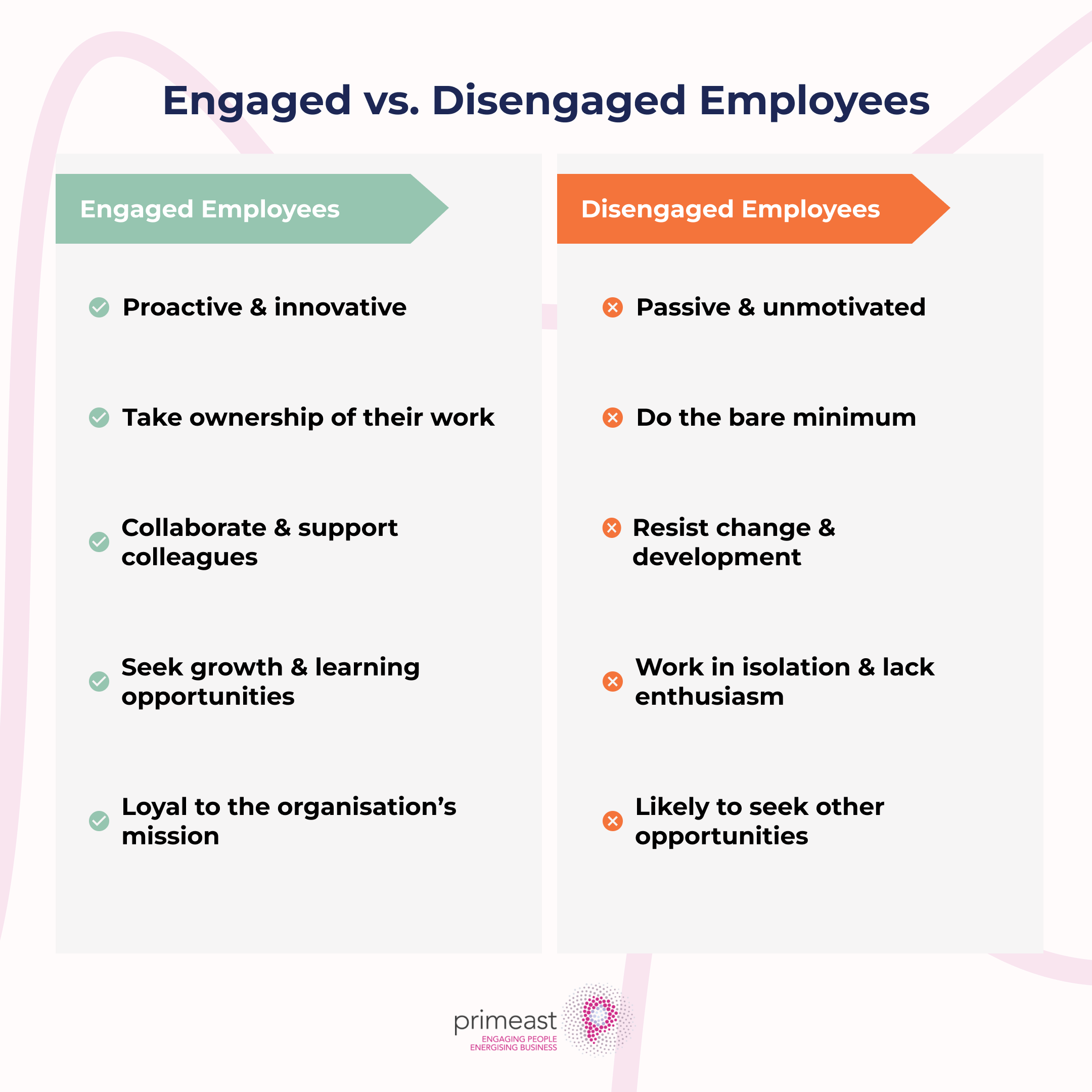
Disengagement affects more than individual performance, it drags down morale, damages customer relationships, and weakens business success.
Key Drivers of Engagement
What makes an employee truly engaged? Research shows that these key factors play a defining role:
- Trust in Leadership – Employees need to believe in the vision and integrity of their leaders.
- Clear Communication – Transparency fosters connection and a sense of purpose.
- Recognition & Appreciation – Feeling valued is a fundamental driver of engagement.
- Career Growth & Development – Opportunities to learn and progress keep employees motivated.
- Workplace Culture & Belonging – A sense of inclusion and alignment with company values matters.
- Autonomy & Empowerment – Trusting employees with responsibility boosts ownership and commitment.
When organizations nurture these drivers, they create environments where employees do more than work, they thrive
How to Measure Employee Engagement
Measuring engagement is more than a checkbox exercise. It’s about understanding your people: their experiences, motivations, and challenges. Done right, it becomes a roadmap for real improvement.
But how do you measure something as intangible as engagement?
The key? A mix of surveys, analytics, and honest conversations.
One of the most effective ways to gauge engagement is through employee surveys. Tools like Gallup’s Q12 framework or short, frequent pulse surveys offer valuable insights into how employees feel about their work, leadership, and the organization as a whole.
The key is to go beyond generic questions. Instead of simply asking, “Are you happy at work?”, a more revealing question would be:
“Do you feel your contributions are valued?”
“Does your work give you a sense of purpose?”
Thoughtful questions lead to meaningful answers, and real engagement insights.
Beyond surveys, behavioral data can tell a powerful story.
High absenteeism, increased turnover, or a drop in productivity are often symptoms of deeper engagement issues. Retention rates, for example, can highlight whether employees see a future in the organization. A sudden spike in turnover should prompt leaders to ask: What’s changed? Are employees leaving because they don’t feel heard, valued, or challenged?
One particularly effective engagement metric is Employee Net Promoter Score (eNPS). Based on the Net Promoter Score (NPS) used in customer experience, eNPS asks employees a simple question:
“On a scale of 0-10, how likely are you to recommend this organization as a great place to work?”
Employees are then categorized as:
- Promoters (9-10): Highly engaged and enthusiastic about the company.
- Passives (7-8): Neutral employees who aren’t actively disengaged but could be swayed.
- Detractors (0-6): Unhappy employees who may be disengaged or likely to leave.
The eNPS score is calculated by subtracting the percentage of Detractors from the percentage of Promoters. A positive score indicates a higher level of engagement, while a negative score signals underlying issues that need attention.
While data is essential, numbers alone don’t tell the full story. This is where conversations matter.
Regular one-to-one check-ins between managers and employees can uncover hidden frustrations or blockers that surveys might miss. Exit interviews, too, can reveal valuable insights. Sometimes, it’s only when employees are leaving that they feel comfortable sharing the truth.
Ultimately, measuring engagement isn’t about collecting data for the sake of it. It’s about listening, acting, and creating an environment where employees feel heard and supported. The most effective organisations go beyond measurement; they use what they learn to build stronger, more connected workplaces.
10 Actionable Strategies to Boost Employee Engagement
Measuring engagement is step one. Taking action is where real change happens.
Want to create a workplace where employees feel motivated, valued, and empowered? Here are 10 proven strategies to build a culture of engagement that drives performance and retention.
1. Foster Open Communication
Employees want to feel heard. Creating a culture where communication flows both ways, where leaders listen as much as they speak, helps build trust. Hold weekly check-ins, encourage anonymous feedback channels, and ensure managers are approachable. Transparency from leadership can make employees feel more invested in the organization’s direction.
2. Recognize and Appreciate Contributions
Recognition is one of the most powerful drivers of engagement. Employees who feel appreciated are more likely to stay motivated and committed. Introduce peer-to-peer recognition programs, celebrate wins in team meetings, and personalize appreciation, whether through a simple “thank you” or a public shout-out.
3. Empower Employees with Autonomy
Micromanagement kills engagement. Trust your employees by giving them ownership over their work. Allow for flexible working hours, provide decision-making authority, and let employees shape their roles in ways that play to their strengths. Autonomy breeds accountability and innovation.
4. Invest in Development and Growth
A lack of career progression is a major reason employees disengage. Create a culture of learning by offering mentorship programs, leadership training, and upskilling opportunities can help employees see a future within the organization. When people grow, they stay.
5. Align Work with Purpose
Employees are more engaged when they feel their work has meaning. Connect everyday tasks to the organization’s mission. Help employees understand how their contributions impact the bigger picture, whether that’s through storytelling, sharing customer success stories, or involving them in strategic discussions.
6. Promote Employee Well-being
Engagement and well-being go hand in hand. Support your employees’ physical and mental health with wellness initiatives, mental health days, and stress management resources. A burnt-out employee cannot be an engaged employee.
7. Make Work More Visually Engaging
Not all communication should be text-heavy. Use infographics, videos, and visual storytelling to keep engagement high. A photo mosaic showcasing team achievements or a short video from leadership can have a greater impact than another long email.
8. Build an Inclusive Decision-Making Culture
Employees feel more engaged when they have a voice in how strategy is put into action. Give them input on team and departmental goals, involve them in key discussions, and encourage cross-functional collaboration. When people feel included in shaping how work gets done, they feel valued.
9. Strengthen the Onboarding Experience
First impressions matter. A structured, engaging onboarding process can set employees up for long-term success. Assign mentorship pairings, create immersive onboarding experiences, and ensure new hires feel welcomed and supported from day one.
10. Monitor, Adapt, and Iterate
Engagement is not a one-time initiative, it’s an ongoing process. Use real-time feedback, pulse surveys, and agile performance management to continuously refine your approach. What works today may need adjusting tomorrow, so stay responsive to your employees’ needs.
Employee engagement isn’t built on perks or gimmicks. It’s about creating a workplace where people feel valued, empowered, and inspired. By implementing these strategies, organizations can cultivate a culture that drives performance, loyalty, and long-term success.
Next, we’ll look at how to turn these strategies into a structured Employee Engagement Action Plan.
Creating an Employee Engagement Action Plan
Understanding engagement is one thing, implementing meaningful change is another.
A well-structured Employee Engagement Action Plan turns ideas into measurable, impactful initiatives that drive long-term results.
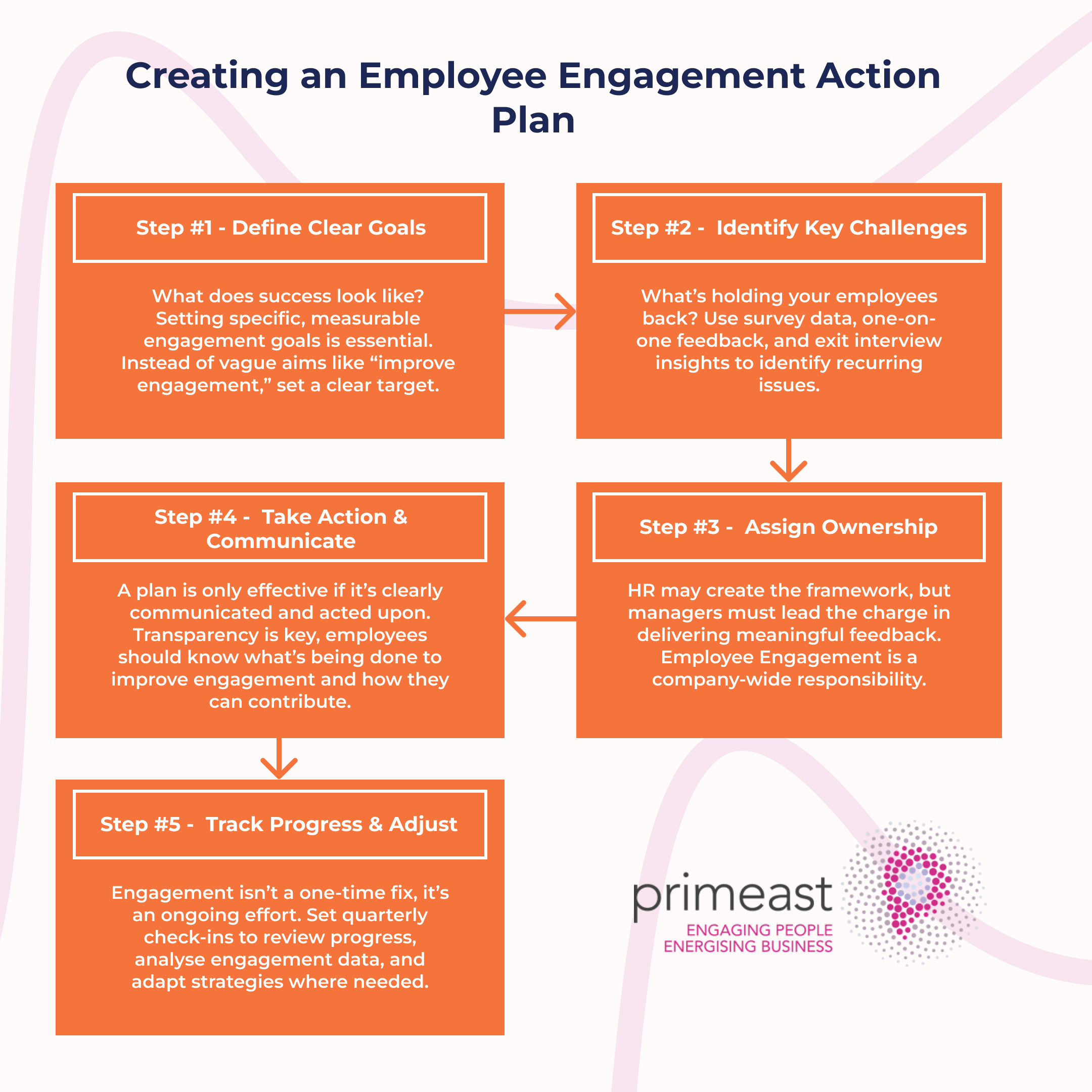
Step 1: Define Clear Goals
What does success look like? Setting specific, measurable engagement goals is essential. Instead of vague aims like “improve engagement,” set a clear target:
❌ Reduce disengagement
✅ Increase eNPS score by 15% in 12 months
✅ Reduce voluntary turnover from 18% to 12% within a year
When you define engagement in tangible terms, it becomes easier to track progress and adapt when needed.
Step 2: Identify Key Challenges
What’s holding your employees back? Use survey data, one-on-one feedback, and exit interview insights to identify recurring issues. Are employees frustrated by lack of recognition? Limited growth opportunities? Poor communication?
A company might discover that career stagnation is a major issue. Employees feel stuck, leading to low motivation. The solution? More structured career pathways, mentorship programs, and training investments.
Step 3: Assign Ownership
Employee engagement isn’t solely an HR initiative, it’s a company-wide responsibility. While HR may guide the process, managers and senior leaders are the ones who bring it to life every day.
📌 HR Teams → Design and implement engagement initiatives
📌 Managers → Act as engagement champions within teams
📌 Senior Leadership → Set the tone and model engagement behaviors
If the goal is to improve feedback culture, HR may create the framework, but managers must lead the charge in delivering meaningful feedback.
Step 4: Take Action & Communicate the Plan
A plan is only effective if it’s clearly communicated and acted upon. Transparency is key, employees should know what’s being done to improve engagement and how they can contribute.
A best practice at some companies is to announce engagement initiatives in company-wide meetings, follow up with emails, and create an internal dashboard that tracks progress.
If peer-to-peer recognition is introduced as a new initiative, employees need to know how it works, why it matters, and how they can participate.
Step 5: Track Progress & Adjust
Engagement is not a one-time fix, it’s an ongoing effort. Set quarterly check-ins to review progress, analyse engagement data, and adapt strategies where needed.
❓ Are retention rates improving?
❓ What is the data telling you about shifts in employee sentiment?
❓ How many managers have an engagement strategy in place and are actively implementing it?
❓ How many managers are reporting progress in engaging their teams?
If something isn’t working, pivot. The best engagement strategies are agile, responsive, and continuously evolving.
We’ve put together a free employee engagement action plan template for you to download. Simply click the link below and download the PDF:
Free Employee Engagement Action Plan Template
A structured plan ensures that employee engagement isn’t left to chance—it becomes a strategic priority. With clear goals, assigned accountability, and regular check-ins, organizations can create an environment where employees feel valued, empowered, and motivated to contribute their best.
The Business Impact of Engagement
Engaged employees don’t just work harder, they work smarter and with greater dedication. Research consistently shows the tangible benefits of an engaged workforce:
✅ 17% higher productivity – Engaged teams achieve more, work efficiently, and drive business outcomes. (2024, Gallup Study)
✅ 59% lower turnover – Employees who feel valued and connected stay longer, reducing recruitment costs. (2015, Harvard Business Review Study)
✅ 10% higher customer satisfaction – Motivated employees lead to better service and stronger customer relationships.(2015, Harvard Business Review Study)
✅ 41% fewer quality defects – Engaged employees take ownership of their work, leading to higher standards and fewer errors. (2024, Gallup Study)
A disengaged workforce, on the other hand, leads to higher absenteeism, increased turnover, and reduced innovation, all of which negatively impact the bottom line.
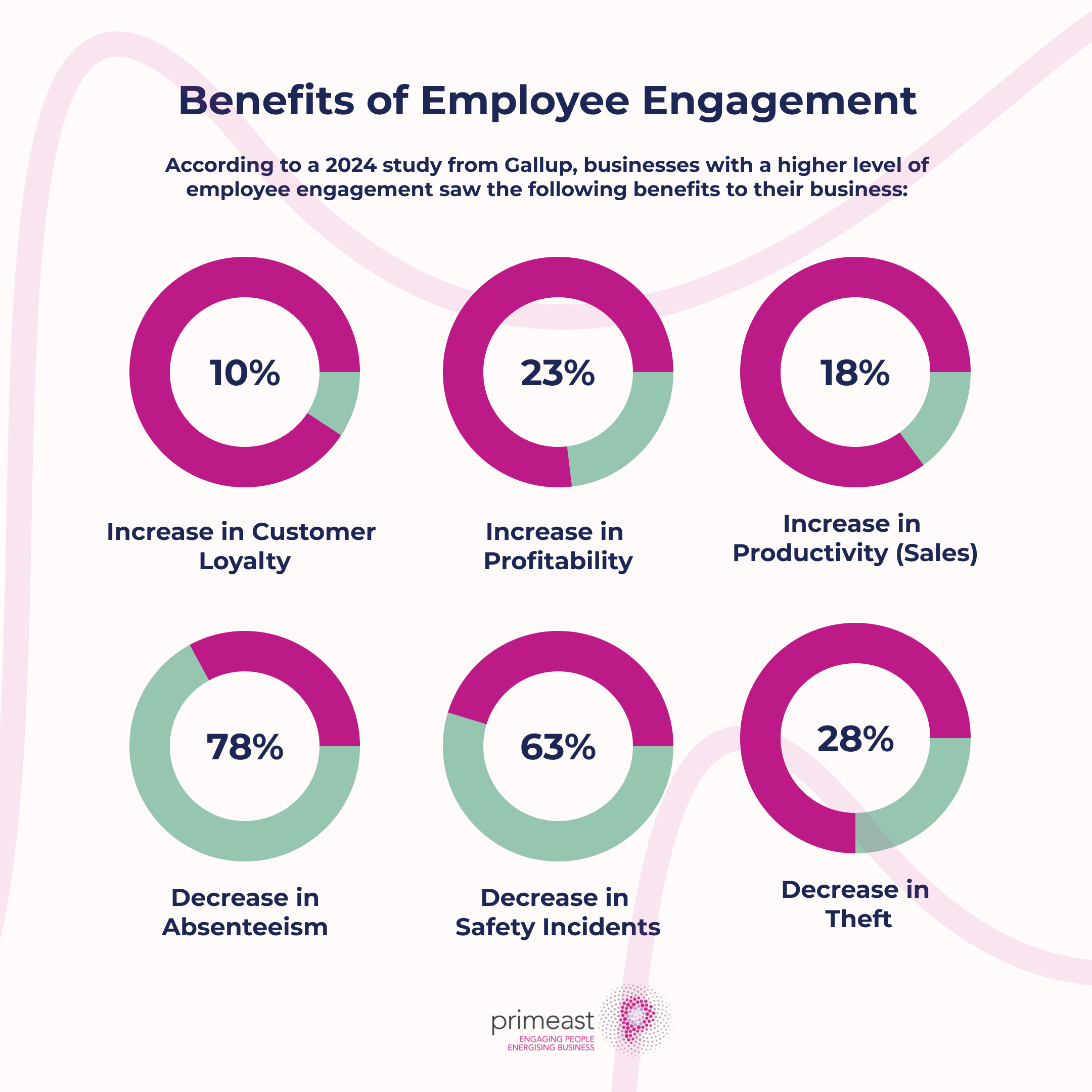
Employee Well-being & Engagement
Engagement isn’t just about output, it directly affects employee well-being.
Disengaged employees are more likely to experience burnout, stress, and job dissatisfaction, while engaged employees tend to be:
✔ More resilient – They navigate challenges with a proactive mindset.
✔ More fulfilled – They find purpose in their work and take pride in their contributions.
✔ Healthier – A positive work environment reduces stress and supports mental well-being.
When organizations invest in engagement, they don’t just build better businesses, they create better workplaces.
The Power of Employee Engagement
Good employee engagement leads to a positive workplace culture that thrives. From higher productivity and retention to better customer satisfaction and innovation, engaged employees are the driving force behind every successful organization.
The good news? You don’t have to overhaul everything at once. Start small. Choose one strategy, perhaps launching a recognition program, improving feedback loops, or aligning work with purpose. Measure its impact, refine your approach, and build from there.
Because when employees feel valued, connected, and empowered, they don’t just show up to work, they show up for the work. And that’s where real success begins.
What is Employee Engagement & 10 Ways to Boost It
Picture two teams: one filled with individuals who are energised, committed, and proactive, eager to contribute ideas, innovate, and collaborate. The other, disengaged, going through the motions, lacking enthusiasm, and counting down the hours until the workday ends.
The difference?
Employee engagement.
A striking statistic brings this into focus: organisations with highly engaged employees experience 21% higher profitability than those with lower engagement levels. But the impact goes beyond numbers. Engaged employees fuel innovation, strengthen customer relationships, and build resilient, high-performing cultures.
In this article, we’ll unpack what employee engagement really means, why it matters, and, most importantly, how to cultivate it in your organisation. Expect practical, actionable strategies to build a thriving, motivated workforce.
What does a Fully Engaged Workplace Looks Like?
What do leaders with truly engaged teams say about their people?
- They don’t just show up – they show up with purpose.
- They contribute to innovation, rather than just completing tasks.
- They take pride in their work, not just in their job title.
- They align their efforts with the organisation’s mission, not just their own goals.
Engagement is more than enthusiasm, it’s a mindset and a way of working. It’s what transforms a workforce into a force to be reckoned with.
Gallup describes it as the level of involvement and enthusiasm employees have in their work and workplace. Ask any leader of a high-performing team, and they’ll tell you: you feel the difference when it’s there.
What does engagement look like in action?
It’s the employee who spots an opportunity and takes the initiative. The team that rallies to solve a challenge because they care about the outcome. The culture where people don’t just work for the company; they work with it.
This is what separates a team that clocks in and out from one that thrives. And it’s what turns a good organisation into a great one.
Engaged vs. Disengaged Employees
Not all employees experience work the same way. Here’s the stark contrast between those who are engaged and those who are not:
Disengagement affects more than individual performance, it drags down morale, damages customer relationships, and weakens business success.
Key Drivers of Engagement
What makes an employee truly engaged? Research shows that these key factors play a defining role:
- Trust in Leadership – Employees need to believe in the vision and integrity of their leaders.
- Clear Communication – Transparency fosters connection and a sense of purpose.
- Recognition & Appreciation – Feeling valued is a fundamental driver of engagement.
- Career Growth & Development – Opportunities to learn and progress keep employees motivated.
- Workplace Culture & Belonging – A sense of inclusion and alignment with company values matters.
- Autonomy & Empowerment – Trusting employees with responsibility boosts ownership and commitment.
When organisations nurture these drivers, they create environments where employees do more than work, they thrive
How to Measure Employee Engagement
Measuring engagement is more than a checkbox exercise. It’s about understanding your people: their experiences, motivations, and challenges. Done right, it becomes a roadmap for real improvement.
But how do you measure something as intangible as engagement?
The key? A mix of surveys, analytics, and honest conversations.
One of the most effective ways to gauge engagement is through employee surveys. Tools like Gallup’s Q12 framework or short, frequent pulse surveys offer valuable insights into how employees feel about their work, leadership, and the organisation as a whole.
The key is to go beyond generic questions. Instead of simply asking, “Are you happy at work?”, a more revealing question would be:
“Do you feel your contributions are valued?”
“Does your work give you a sense of purpose?”
Thoughtful questions lead to meaningful answers, and real engagement insights.
Beyond surveys, behavioural data can tell a powerful story.
High absenteeism, increased turnover, or a drop in productivity are often symptoms of deeper engagement issues. Retention rates, for example, can highlight whether employees see a future in the organisation. A sudden spike in turnover should prompt leaders to ask: What’s changed? Are employees leaving because they don’t feel heard, valued, or challenged?
One particularly effective engagement metric is Employee Net Promoter Score (eNPS). Based on the Net Promoter Score (NPS) used in customer experience, eNPS asks employees a simple question:
“On a scale of 0-10, how likely are you to recommend this organisation as a great place to work?”
Employees are then categorised as:
- Promoters (9-10): Highly engaged and enthusiastic about the company.
- Passives (7-8): Neutral employees who aren’t actively disengaged but could be swayed.
- Detractors (0-6): Unhappy employees who may be disengaged or likely to leave.
The eNPS score is calculated by subtracting the percentage of Detractors from the percentage of Promoters. A positive score indicates a higher level of engagement, while a negative score signals underlying issues that need attention.
While data is essential, numbers alone don’t tell the full story. This is where conversations matter.
Regular one-to-one check-ins between managers and employees can uncover hidden frustrations or blockers that surveys might miss. Exit interviews, too, can reveal valuable insights. Sometimes, it’s only when employees are leaving that they feel comfortable sharing the truth.
Ultimately, measuring engagement isn’t about collecting data for the sake of it. It’s about listening, acting, and creating an environment where employees feel heard and supported. The most effective organisations go beyond measurement; they use what they learn to build stronger, more connected workplaces.
10 Actionable Strategies to Boost Employee Engagement
Measuring engagement is step one. Taking action is where real change happens.
Want to create a workplace where employees feel motivated, valued, and empowered? Here are 10 proven strategies to build a culture of engagement that drives performance and retention.
1. Foster Open Communication
Employees want to feel heard. Creating a culture where communication flows both ways, where leaders listen as much as they speak, helps build trust. Hold weekly check-ins, encourage anonymous feedback channels, and ensure managers are approachable. Transparency from leadership can make employees feel more invested in the organisation’s direction.
2. Recognise and Appreciate Contributions
Recognition is one of the most powerful drivers of engagement. Employees who feel appreciated are more likely to stay motivated and committed. Introduce peer-to-peer recognition programs, celebrate wins in team meetings, and personalise appreciation, whether through a simple “thank you” or a public shout-out.
3. Empower Employees with Autonomy
Micromanagement kills engagement. Trust your employees by giving them ownership over their work. Allow for flexible working hours, provide decision-making authority, and let employees shape their roles in ways that play to their strengths. Autonomy breeds accountability and innovation.
4. Invest in Development and Growth
A lack of career progression is a major reason employees disengage. Create a culture of learning by offering mentorship programs, leadership training, and upskilling opportunities can help employees see a future within the organisation. When people grow, they stay.
5. Align Work with Purpose
Employees are more engaged when they feel their work has meaning. Connect everyday tasks to the organisation’s mission. Help employees understand how their contributions impact the bigger picture, whether that’s through storytelling, sharing customer success stories, or involving them in strategic discussions.
6. Promote Employee Well-being
Engagement and well-being go hand in hand. Support your employees’ physical and mental health with wellness initiatives, mental health days, and stress management resources. A burnt-out employee cannot be an engaged employee.
7. Make Work More Visually Engaging
Not all communication should be text-heavy. Use infographics, videos, and visual storytelling to keep engagement high. A photo mosaic showcasing team achievements or a short video from leadership can have a greater impact than another long email.
8. Build an Inclusive Decision-Making Culture
Employees feel more engaged when they have a voice in how strategy is put into action. Give them input on team and departmental goals, involve them in key discussions, and encourage cross-functional collaboration. When people feel included in shaping how work gets done, they feel valued.
9. Strengthen the Onboarding Experience
First impressions matter. A structured, engaging onboarding process can set employees up for long-term success. Assign mentorship pairings, create immersive onboarding experiences, and ensure new hires feel welcomed and supported from day one.
10. Monitor, Adapt, and Iterate
Engagement is not a one-time initiative, it’s an ongoing process. Use real-time feedback, pulse surveys, and agile performance management to continuously refine your approach. What works today may need adjusting tomorrow, so stay responsive to your employees’ needs.
Employee engagement isn’t built on perks or gimmicks. It’s about creating a workplace where people feel valued, empowered, and inspired. By implementing these strategies, organisations can cultivate a culture that drives performance, loyalty, and long-term success.
Next, we’ll look at how to turn these strategies into a structured Employee Engagement Action Plan.
Creating an Employee Engagement Action Plan
Understanding engagement is one thing, implementing meaningful change is another.
A well-structured Employee Engagement Action Plan turns ideas into measurable, impactful initiatives that drive long-term results.
Step 1: Define Clear Goals
What does success look like? Setting specific, measurable engagement goals is essential. Instead of vague aims like “improve engagement,” set a clear target:
❌ Reduce disengagement
✅ Increase eNPS score by 15% in 12 months
✅ Reduce voluntary turnover from 18% to 12% within a year
When you define engagement in tangible terms, it becomes easier to track progress and adapt when needed.
Step 2: Identify Key Challenges
What’s holding your employees back? Use survey data, one-on-one feedback, and exit interview insights to identify recurring issues. Are employees frustrated by lack of recognition? Limited growth opportunities? Poor communication?
A company might discover that career stagnation is a major issue. Employees feel stuck, leading to low motivation. The solution? More structured career pathways, mentorship programs, and training investments.
Step 3: Assign Ownership
Employee engagement isn’t solely an HR initiative, it’s a company-wide responsibility. While HR may guide the process, managers and senior leaders are the ones who bring it to life every day.
📌 HR Teams → Design and implement engagement initiatives
📌 Managers → Act as engagement champions within teams
📌 Senior Leadership → Set the tone and model engagement behaviours
If the goal is to improve feedback culture, HR may create the framework, but managers must lead the charge in delivering meaningful feedback.
Step 4: Take Action & Communicate the Plan
A plan is only effective if it’s clearly communicated and acted upon. Transparency is key, employees should know what’s being done to improve engagement and how they can contribute.
A best practice at some companies is to announce engagement initiatives in company-wide meetings, follow up with emails, and create an internal dashboard that tracks progress.
If peer-to-peer recognition is introduced as a new initiative, employees need to know how it works, why it matters, and how they can participate.
Step 5: Track Progress & Adjust
Engagement is not a one-time fix, it’s an ongoing effort. Set quarterly check-ins to review progress, analyse engagement data, and adapt strategies where needed.
❓ Are retention rates improving?
❓ What is the data telling you about shifts in employee sentiment?
❓ How many managers have an engagement strategy in place and are actively implementing it?
❓ How many managers are reporting progress in engaging their teams?
If something isn’t working, pivot. The best engagement strategies are agile, responsive, and continuously evolving.
We’ve put together a free employee engagement action plan template for you to download. Simply click the link below and download the PDF:
Free Employee Engagement Action Plan Template
A structured plan ensures that employee engagement isn’t left to chance—it becomes a strategic priority. With clear goals, assigned accountability, and regular check-ins, organisations can create an environment where employees feel valued, empowered, and motivated to contribute their best.
The Business Impact of Engagement
Engaged employees don’t just work harder, they work smarter and with greater dedication. Research consistently shows the tangible benefits of an engaged workforce:
✅ 17% higher productivity – Engaged teams achieve more, work efficiently, and drive business outcomes. (2024, Gallup Study)
✅ 59% lower turnover – Employees who feel valued and connected stay longer, reducing recruitment costs. (2015, Harvard Business Review Study)
✅ 10% higher customer satisfaction – Motivated employees lead to better service and stronger customer relationships.(2015, Harvard Business Review Study)
✅ 41% fewer quality defects – Engaged employees take ownership of their work, leading to higher standards and fewer errors. (2024, Gallup Study)
A disengaged workforce, on the other hand, leads to higher absenteeism, increased turnover, and reduced innovation, all of which negatively impact the bottom line.
Employee Well-being & Engagement
Engagement isn’t just about output, it directly affects employee well-being.
Disengaged employees are more likely to experience burnout, stress, and job dissatisfaction, while engaged employees tend to be:
✔ More resilient – They navigate challenges with a proactive mindset.
✔ More fulfilled – They find purpose in their work and take pride in their contributions.
✔ Healthier – A positive work environment reduces stress and supports mental well-being.
When organisations invest in engagement, they don’t just build better businesses, they create better workplaces.
The Power of Employee Engagement
Good employee engagement leads to a positive workplace culture that thrives. From higher productivity and retention to better customer satisfaction and innovation, engaged employees are the driving force behind every successful organisation.
The good news? You don’t have to overhaul everything at once. Start small. Choose one strategy, perhaps launching a recognition program, improving feedback loops, or aligning work with purpose. Measure its impact, refine your approach, and build from there.
Because when employees feel valued, connected, and empowered, they don’t just show up to work, they show up for the work. And that’s where real success begins.
Aligning Personal and Company Values: A Guide
Why Core Values Matter for Both you & your Company
People power every organization. Their values drive decisions, actions, and outcomes. By aligning personal and company values, you’ll notice extraordinary things start to happen. But what drives those behaviours? At the heart of it all are personal values – the underlying principles that guide how we think, feel and act.
When personal values match the organization’s culture, job satisfaction soars and productivity improves. Aligning personal values with company values fosters increased job satisfaction, employee engagement, and ultimately contributes to the success of the organization. When there’s a mismatch, it leads to frustration, resistance and wasted potential.
At Primeast we’ve seen values alignment transform not just the experience of work but the performance of organizations. It’s a foundation of a thriving workplace culture. With our free online personal values tool you can start to uncover what drives you and your team and lay the groundwork for meaningful alignment and real success.
In this article we’ll look at the role of personal values in shaping behaviours, building better teams and driving organizational results, and why alignment is key to long term success. Whether you’re an individual looking to understand your own drivers or a leader looking to strengthen your team’s culture, understanding values is the first step.
Understanding Your Personal Values
Your personal values are the invisible compass that guides every decision you make. They are what matters most to you; integrity, balance, achievement, compassion, to name a few. These values are deeply ingrained in your experiences and beliefs and shape how you approach challenges, interact with others and find purpose in your work. Personal values guide your thoughts, words, and actions, both personally and professionally.
When people are clear on their values they can bring their best self to the table. Self awareness allows them to make choices that align with their principles and therefore be more fulfilled and effective. For organizations this is gold. People who know and align their personal values with their role are more likely to be engaged and invested in their work.
Knowing your personal values is the first step to an authentic and empowered workforce. That’s why we offer our free online personal values tool to help you discover your top 10 values.
By knowing what drives you, you can make intentional input to your team and organization and set yourself up for success.

Get started today and find your own values. It’s a small step that can have big outcomes for you and your organization.
The Role of Corporate Values in Organizations
Corporate values are the foundation of success. They:
- Shape the company’s identity
- Guide decision-making
- Define employee interactions internally and externally
When corporate values are clearly defined and embraced, they create a cohesive company culture that fosters a positive work environment and drives employee engagement.
Imagine a company where integrity, innovation, and customer focus are core values. These principles will guide every action and decision, from how products are developed to how customer service is handled.
Employees will feel a sense of purpose and alignment with the company’s mission, leading to higher motivation and productivity. Customers and stakeholders will recognize and appreciate the consistency and authenticity of the company’s actions, strengthening their trust and loyalty.
By establishing and living by a clear set of corporate values, organizations can create a thriving culture that not only attracts top talent but also drives long-term business success.
It’s not just about having values written on a wall; it’s about embedding them into the very fabric of the organization.
Company Values and Their Importance
Company values are more than just words; they are the core principles that define an organization’s identity and purpose. These values provide a framework for decision-making, guiding employee behavior and shaping the overall culture. When company values are well-defined and consistently communicated, they create a positive work environment where employees feel engaged and motivated.
Consider a company that prioritizes teamwork, excellence, and respect. These values will influence how employees collaborate, strive for high standards, and treat each other with dignity. Such a culture not only enhances employee satisfaction but also drives better business outcomes.
Employees who feel aligned with the company’s values are more likely to be committed, productive, and innovative.
In essence, company values are the foundation upon which successful organizations are built. They help create a unified direction, foster a sense of belonging, and drive employee engagement. By living these values every day, companies can build strong relationships with customers and stakeholders, ultimately leading to sustained success.
Identifying and Defining Core Company Values
Identifying and defining core values is a fundamental step in building a strong and cohesive company culture. This process involves reflecting on the organization’s mission, vision, and purpose, as well as the principles that are most important to its success. Companies can create a clear and concise set of core values that guide employee behavior and decision-making.
To start, gather input from various stakeholders, including employees, leaders, and customers, to understand what values resonate most. Reflect on the organization’s history, achievements, and challenges to identify the principles that have driven success. Once these core values are identified, articulate them in a way that is clear, memorable, and actionable.
For example, a company might define its core values as integrity, innovation, and customer focus. These values should be more than just words; they should be embedded into every aspect of the organization, from hiring practices to performance evaluations.
By defining and living these core values, companies can create a shared sense of purpose and direction, fostering employee engagement and driving business success.
The benefits of Aligning Personal and Company Values
When we bring our values to work it doesn’t just affect our own behaviour it affects our teams and ultimately the culture of the organization. The average person will spend a significant amount of their life working, making the alignment of personal values crucial.
Aligned values are a unifying force that drive:
- Clarity: Teams understand shared goals and work cohesively.
- Trust: Employees feel respected and valued.
- Purpose: A shared mission motivates collaboration.
Conversely, misaligned values lead to:
- Misunderstandings: Confusion about expectations.
- Inefficiencies: Reduced productivity and missed opportunities.
- Conflict: Friction that stalls progress.
In high performing teams shared or complementary values are the foundation of success. For example when team members value honesty and openness communication flows even in tough times. When fairness and respect are the priority individuals feel empowered to contribute knowing their voice will be heard. These behaviours aren’t nice to have they are essential to building trust and innovation.
At an organizational level alignment between personal values and an organization’s culture can change how we experience work. Research from cultural assessments shows that organizations with high value alignment have higher engagement, stronger collaboration and greater resilience in the face of challenge.
Misalignment shows up as limiting behaviours such as hierarchy, confusion or silo mentality as Cultural Entropy® analysis reveals.
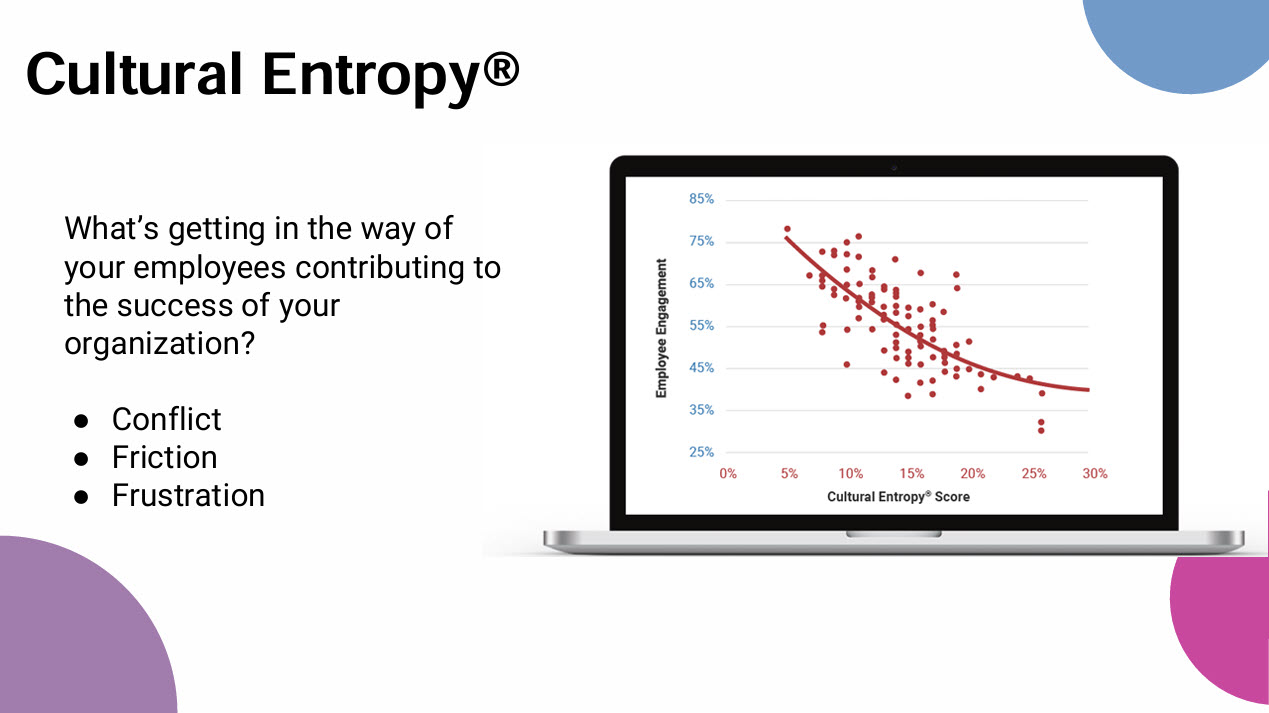
A shared understanding of values allows leaders to create a culture where individuals feel connected to the organization’s purpose. It’s that connection that drives loyalty, performance and turns employees into ambassadors. Whether you’re leading a small team or a global organization the ripple effect of values alignment can be felt in every interaction and outcome. Aligning personal and company values is crucial for achieving the organization’s goals.
Try it in your organization? Start with individual reflection and conversation. Use our personal values assessment to get the conversation started and align your team’s strengths with your values.
Communicating Values Effectively
Effective communication of values is crucial for embedding them into the organization’s culture. It’s not enough to simply define values; they must be communicated clearly and consistently to ensure that all employees understand and embody them. This involves using multiple channels and methods to reinforce the company’s values at every opportunity.
Start by integrating values into onboarding programs, ensuring that new employees understand the company’s core principles from day one. Use regular company-wide meetings to highlight how values are being lived out in the organisation, sharing stories and examples that bring them to life. Incorporate values into performance evaluations, recognizing and rewarding employees who exemplify them.
Additionally, create visual reminders of the company’s values, such as posters, screensavers, and internal newsletters. Encourage leaders to model the values in their daily actions and decisions, setting the tone for the rest of the organization.
If you are communicating values effectively, you can build a strong, values-driven culture that fosters employee engagement, builds trust, and drives business success.
How to Use Values for Organizational Success
Understanding and aligning values is more than an intellectual exercise, it’s a lever for real change. Clearly articulated and defined values serve as a foundation for guiding employee behavior, decision-making, and overall company identity.
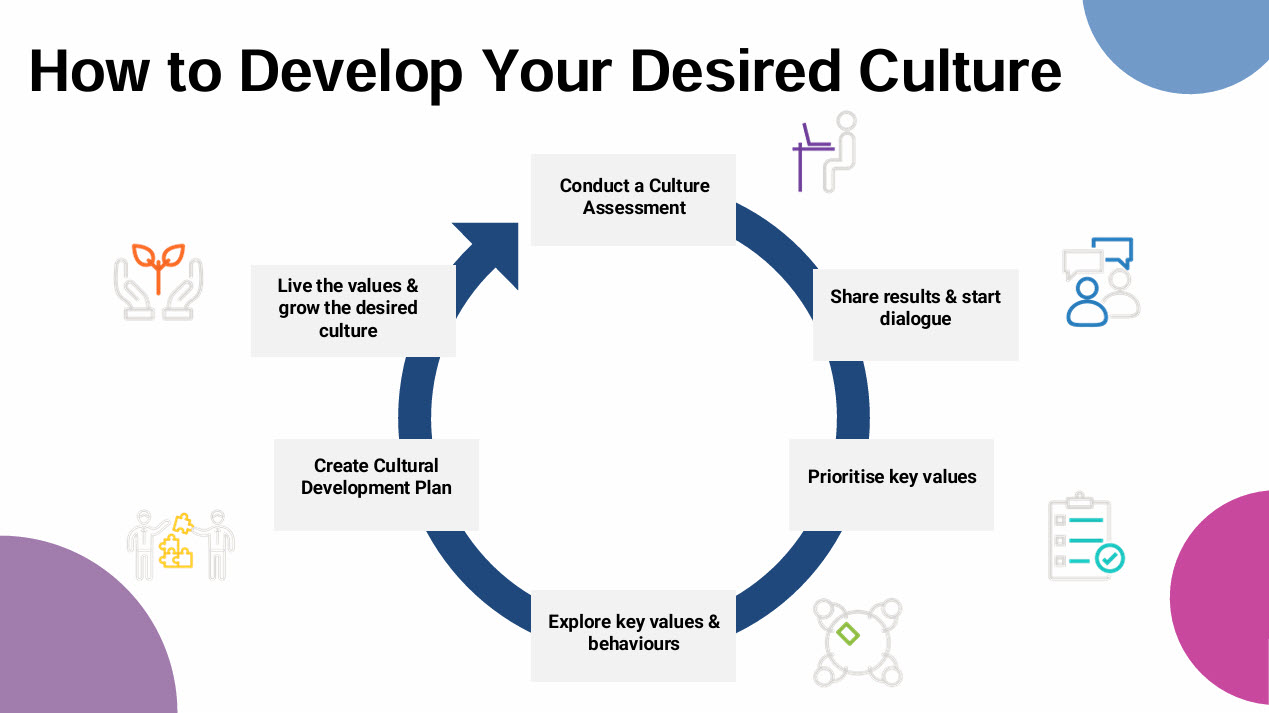
Companies with extremely healthy cultures see significant benefits, including increased stock price and revenue growth, which stem from the alignment of organisational and employee values, resulting in enhanced engagement and retention.
Here’s how individuals, teams and organizations can tap into the power of values to unlock potential and achieve success:
For Individuals
Find Your Values: Reflect on the principles that guide your decisions and actions. Use our free personal values assessment to clarify your core drivers.
Align Your Behaviour: Look at how your daily actions reflect your values. Small changes can increase your authenticity and job satisfaction. Aligning personal and company values can further enhance job satisfaction and employee engagement.
Tell Your Values: Share your values with colleagues and leaders. Open conversations build understanding and connection.
For Leaders and Teams
Team Reflection: Ask team members to explore and share their personal values. This will reveal commonalities and diversity. Model Aligned Behaviour: As a leader demonstrate how your personal and organizational values play out. This sets the tone and inspires your team to do the same. Companies and employees often share many of the same values, and recognizing this can enhance organizational cohesion and overall productivity.
Embed Values into Process: Put shared values into team goals, decision making frameworks and feedback mechanisms to align across every touchpoint.
For Company Culture
Conduct a Culture Assessment: Diagnose how personal, current and desired culture values align across your organization. This will give you a clear picture of what’s working and what needs attention. Core company values play a crucial role in shaping the employee experience and fostering a cohesive workplace environment.
Prioritise Key Values: Use assessment insights to identify the values that will drive engagement and success. Eliminate limiting values like bureaucracy or silos that will hold you back.
Bring Values to Life: Make values visible and actionable through leadership development, communication strategies and recognition programs. A living values framework means alignment becomes part of your culture.
By doing this you’ll create an environment where individuals can thrive, teams can work together and your organization can reach its full potential. Start small by understanding your own values and watch the ripple effect change the way your organization works.
Case Study Insights: The Measurable Impact of Alignment
The link between values alignment and organizational success isn’t just theoretical, it’s backed up by real results. Organizations that align values see measurable results:
- Higher employee engagement
- Improved business performance
- Reduced turnover
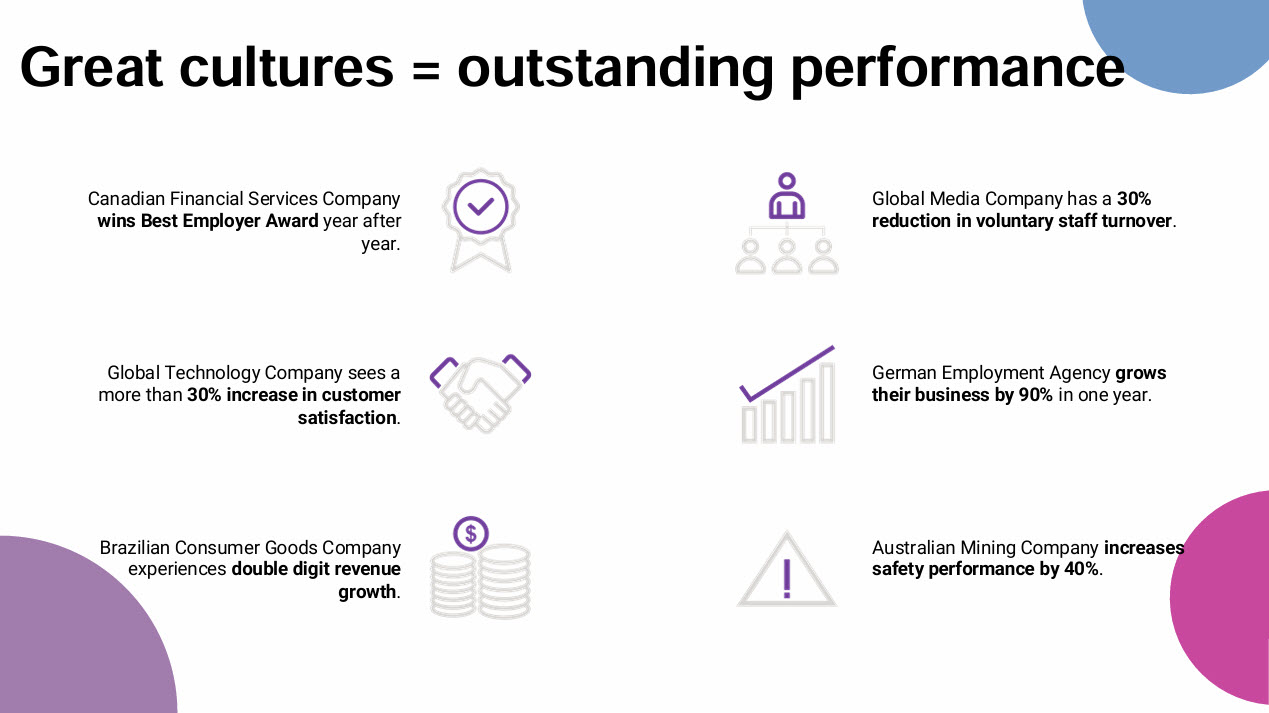
For example, data from cultural assessments shows a direct correlation between values alignment and lower Cultural Entropy®. Cultural Entropy measures the amount of friction caused by misaligned or limiting values, such as hierarchy, bureaucracy or internal competition. Organizations with lower Cultural Entropy get higher revenue growth, better customer satisfaction and lower turnover.
Take the example of a global media company that reduced voluntary staff turnover by 30% after addressing misalignments and reinforcing shared values. Or a Brazilian consumer goods company that got double digit revenue growth by creating a culture aligned to its employees and stakeholders values. These results show the power of prioritizing alignment.
At an individual level alignment gives employees meaning in their work, increasing their motivation and commitment. At a team level shared values build trust and collaboration, improving overall performance. And at an organizational level a values driven culture is a competitive advantage, allowing businesses to adapt and thrive in a fast changing world.
By starting with tools like the personal values assessment and conducting organisational culture evaluations, you can identify the gaps between personal, current, and desired values. These insights provide a clear roadmap to creating a culture where everyone can thrive.
Need help aligning your values?
At the heart of every successful business is a foundation of shared values. When people know their personal values and align them with their team and business culture the impact is huge. Engagement, collaboration and performance all improve and everyone and the business can thrive.
The journey to alignment starts with one step: self awareness. By knowing your personal values you’ll get clarity on what drives you and how you can contribute to your team and business. Tools like our free online personal values assessment make this easy and accessible, sparking conversations that can lead to deeper connections and shared purpose.
For leaders and businesses, alignment isn’t just about recognising values – it’s about living them. By putting values into decision making, development initiatives and culture building you create a workplace where people feel empowered and engaged.
Now is the time to unleash the potential in your people and your business. Explore your values, have open conversations and take deliberate action to align individual and business purpose. Together we can create cultures where people flourish and businesses succeed.
Aligning Personal and Company Values: A Guide
Why Core Values Matter for Both you & your Company
People power every organisation. Their values drive decisions, actions, and outcomes. By aligning personal and company values, you’ll notice extraordinary things start to happen. But what drives those behaviours? At the heart of it all are personal values – the underlying principles that guide how we think, feel and act.
When personal values match the organisation’s culture, job satisfaction soars and productivity improves. Aligning personal values with company values fosters increased job satisfaction, employee engagement, and ultimately contributes to the success of the organisation. When there’s a mismatch, it leads to frustration, resistance and wasted potential.
At Primeast we’ve seen values alignment transform not just the experience of work but the performance of organisations. It’s a foundation of a thriving workplace culture. With our free online personal values tool you can start to uncover what drives you and your team and lay the groundwork for meaningful alignment and real success.
In this article we’ll look at the role of personal values in shaping behaviours, building better teams and driving organisational results, and why alignment is key to long term success. Whether you’re an individual looking to understand your own drivers or a leader looking to strengthen your team’s culture, understanding values is the first step.
Understanding Your Personal Values
Your personal values are the invisible compass that guides every decision you make. They are what matters most to you; integrity, balance, achievement, compassion, to name a few. These values are deeply ingrained in your experiences and beliefs and shape how you approach challenges, interact with others and find purpose in your work. Personal values guide your thoughts, words, and actions, both personally and professionally.
When people are clear on their values they can bring their best self to the table. Self awareness allows them to make choices that align with their principles and therefore be more fulfilled and effective. For organisations this is gold. People who know and align their personal values with their role are more likely to be engaged and invested in their work.
Knowing your personal values is the first step to an authentic and empowered workforce. That’s why we offer our free online personal values tool to help you discover your top 10 values.
By knowing what drives you, you can make intentional input to your team and organisation and set yourself up for success.
Get started today and find your own values. It’s a small step that can have big outcomes for you and your organisation.
The Role of Corporate Values in Organisations
Corporate values are the foundation of success. They:
- Shape the company’s identity
- Guide decision-making
- Define employee interactions internally and externally
When corporate values are clearly defined and embraced, they create a cohesive company culture that fosters a positive work environment and drives employee engagement.
Imagine a company where integrity, innovation, and customer focus are core values. These principles will guide every action and decision, from how products are developed to how customer service is handled.
Employees will feel a sense of purpose and alignment with the company’s mission, leading to higher motivation and productivity. Customers and stakeholders will recognise and appreciate the consistency and authenticity of the company’s actions, strengthening their trust and loyalty.
By establishing and living by a clear set of corporate values, organisations can create a thriving culture that not only attracts top talent but also drives long-term business success.
It’s not just about having values written on a wall; it’s about embedding them into the very fabric of the organisation.
Company Values and Their Importance
Company values are more than just words; they are the core principles that define an organisation’s identity and purpose. These values provide a framework for decision-making, guiding employee behavior and shaping the overall culture. When company values are well-defined and consistently communicated, they create a positive work environment where employees feel engaged and motivated.
Consider a company that prioritises teamwork, excellence, and respect. These values will influence how employees collaborate, strive for high standards, and treat each other with dignity. Such a culture not only enhances employee satisfaction but also drives better business outcomes.
Employees who feel aligned with the company’s values are more likely to be committed, productive, and innovative.
In essence, company values are the foundation upon which successful organisations are built. They help create a unified direction, foster a sense of belonging, and drive employee engagement. By living these values every day, companies can build strong relationships with customers and stakeholders, ultimately leading to sustained success.
Identifying and Defining Core Company Values
Identifying and defining core values is a fundamental step in building a strong and cohesive company culture. This process involves reflecting on the organisation’s mission, vision, and purpose, as well as the principles that are most important to its success. Companies can create a clear and concise set of core values that guide employee behavior and decision-making.
To start, gather input from various stakeholders, including employees, leaders, and customers, to understand what values resonate most. Reflect on the organisation’s history, achievements, and challenges to identify the principles that have driven success. Once these core values are identified, articulate them in a way that is clear, memorable, and actionable.
For example, a company might define its core values as integrity, innovation, and customer focus. These values should be more than just words; they should be embedded into every aspect of the organisation, from hiring practices to performance evaluations.
By defining and living these core values, companies can create a shared sense of purpose and direction, fostering employee engagement and driving business success.
The benefits of Aligning Personal and Company Values
When we bring our values to work it doesn’t just affect our own behaviour it affects our teams and ultimately the culture of the organisation. The average person will spend a significant amount of their life working, making the alignment of personal values crucial.
Aligned values are a unifying force that drive:
- Clarity: Teams understand shared goals and work cohesively.
- Trust: Employees feel respected and valued.
- Purpose: A shared mission motivates collaboration.
Conversely, misaligned values lead to:
- Misunderstandings: Confusion about expectations.
- Inefficiencies: Reduced productivity and missed opportunities.
- Conflict: Friction that stalls progress.
In high performing teams shared or complementary values are the foundation of success. For example when team members value honesty and openness communication flows even in tough times. When fairness and respect are the priority individuals feel empowered to contribute knowing their voice will be heard. These behaviours aren’t nice to have they are essential to building trust and innovation.
At an organisational level alignment between personal values and an organisation’s culture can change how we experience work. Research from cultural assessments shows that organisations with high value alignment have higher engagement, stronger collaboration and greater resilience in the face of challenge.
Misalignment shows up as limiting behaviours such as hierarchy, confusion or silo mentality as Cultural Entropy® analysis reveals.
A shared understanding of values allows leaders to create a culture where individuals feel connected to the organisation’s purpose. It’s that connection that drives loyalty, performance and turns employees into ambassadors. Whether you’re leading a small team or a global organisation the ripple effect of values alignment can be felt in every interaction and outcome. Aligning personal and company values is crucial for achieving the organisation’s goals.
Try it in your organisation? Start with individual reflection and conversation. Use our personal values assessment to get the conversation started and align your team’s strengths with your values.
Communicating Values Effectively
Effective communication of values is crucial for embedding them into the organisation’s culture. It’s not enough to simply define values; they must be communicated clearly and consistently to ensure that all employees understand and embody them. This involves using multiple channels and methods to reinforce the company’s values at every opportunity.
Start by integrating values into onboarding programs, ensuring that new employees understand the company’s core principles from day one. Use regular company-wide meetings to highlight how values are being lived out in the organisation, sharing stories and examples that bring them to life. Incorporate values into performance evaluations, recognising and rewarding employees who exemplify them.
Additionally, create visual reminders of the company’s values, such as posters, screensavers, and internal newsletters. Encourage leaders to model the values in their daily actions and decisions, setting the tone for the rest of the organisation.
If you are communicating values effectively, you can build a strong, values-driven culture that fosters employee engagement, builds trust, and drives business success.
How to Use Values for Organisational Success
Understanding and aligning values is more than an intellectual exercise, it’s a lever for real change. Clearly articulated and defined values serve as a foundation for guiding employee behavior, decision-making, and overall company identity.
Companies with extremely healthy cultures see significant benefits, including increased stock price and revenue growth, which stem from the alignment of organisational and employee values, resulting in enhanced engagement and retention.
Here’s how individuals, teams and organisations can tap into the power of values to unlock potential and achieve success:
For Individuals
Find Your Values: Reflect on the principles that guide your decisions and actions. Use our free personal values assessment to clarify your core drivers.
Align Your Behaviour: Look at how your daily actions reflect your values. Small changes can increase your authenticity and job satisfaction. Aligning personal and company values can further enhance job satisfaction and employee engagement.
Tell Your Values: Share your values with colleagues and leaders. Open conversations build understanding and connection.
For Leaders and Teams
Team Reflection: Ask team members to explore and share their personal values. This will reveal commonalities and diversity. Model Aligned Behaviour: As a leader demonstrate how your personal and organisational values play out. This sets the tone and inspires your team to do the same. Companies and employees often share many of the same values, and recognising this can enhance organizational cohesion and overall productivity.
Embed Values into Process: Put shared values into team goals, decision making frameworks and feedback mechanisms to align across every touchpoint.
For Company Culture
Conduct a Culture Assessment: Diagnose how personal, current and desired culture values align across your organisation. This will give you a clear picture of what’s working and what needs attention. Core company values play a crucial role in shaping the employee experience and fostering a cohesive workplace environment.
Prioritise Key Values: Use assessment insights to identify the values that will drive engagement and success. Eliminate limiting values like bureaucracy or silos that will hold you back.
Bring Values to Life: Make values visible and actionable through leadership development, communication strategies and recognition programs. A living values framework means alignment becomes part of your culture.
By doing this you’ll create an environment where individuals can thrive, teams can work together and your organisation can reach its full potential. Start small by understanding your own values and watch the ripple effect change the way your organisation works.
Case Study Insights: The Measurable Impact of Alignment
The link between values alignment and organisational success isn’t just theoretical, it’s backed up by real results. Organisations that align values see measurable results:
- Higher employee engagement
- Improved business performance
- Reduced turnover
For example, data from cultural assessments shows a direct correlation between values alignment and lower Cultural Entropy®. Cultural Entropy measures the amount of friction caused by misaligned or limiting values, such as hierarchy, bureaucracy or internal competition. Organisations with lower Cultural Entropy get higher revenue growth, better customer satisfaction and lower turnover.
Take the example of a global media company that reduced voluntary staff turnover by 30% after addressing misalignments and reinforcing shared values. Or a Brazilian consumer goods company that got double digit revenue growth by creating a culture aligned to its employees and stakeholders values. These results show the power of prioritising alignment.
At an individual level alignment gives employees meaning in their work, increasing their motivation and commitment. At a team level shared values build trust and collaboration, improving overall performance. And at an organisational level a values driven culture is a competitive advantage, allowing businesses to adapt and thrive in a fast changing world.
By starting with tools like the personal values assessment and conducting organisational culture evaluations, you can identify the gaps between personal, current, and desired values. These insights provide a clear roadmap to creating a culture where everyone can thrive.
Need help aligning your values?
At the heart of every successful business is a foundation of shared values. When people know their personal values and align them with their team and business culture the impact is huge. Engagement, collaboration and performance all improve and everyone and the business can thrive.
The journey to alignment starts with one step: self awareness. By knowing your personal values you’ll get clarity on what drives you and how you can contribute to your team and business. Tools like our free online personal values assessment make this easy and accessible, sparking conversations that can lead to deeper connections and shared purpose.
For leaders and businesses, alignment isn’t just about recognising values – it’s about living them. By putting values into decision making, development initiatives and culture building you create a workplace where people feel empowered and engaged.
Now is the time to unleash the potential in your people and your business. Explore your values, have open conversations and take deliberate action to align individual and business purpose. Together we can create cultures where people flourish and businesses succeed.
Feedback Models – Why Do We Still Get it Wrong?
In the world of modern leadership, feedback is a critical tool for employee development and team growth. Creating a feedback culture is often spoken about as the ideal for organisations; they dream of a world where teams operate in a psychologically safe space, where communication is constructive, compassionate and collaborative. Teams strive for open, honest conversation, where boundaries are pushed safely and innovatively; where employees strive for continuous improvement based on radical candor, non-judgmental, unbiased communication; where striving for better, drives best performance.
So, why is it still the most common request we receive when designing leadership development programs? Why do we still get it wrong?
Despite the abundance of feedback models, leaders often fail to effectively communicate, leaving teams confused or disillusioned.
We explore why that might be the case, starting with a brief look at some of the most commonly referenced feedback models. We dive into what leaders may be missing when it comes to giving and receiving feedback.

The top 5 Feedback Models
1. SBI (Situation-Behavior-Impact)
This model promotes a process which begins with defining a specific situation, the behavior observed, and the impact it had on others. It aims to be clear and objective but often lacks a focus on actionable steps.
2. AID (Action-Impact-Desired Behaviour/Do)
Similar to SBI, the AID model stresses the impact of an action and what change is needed in the future. It’s helpful for steering behavior in a constructive way but can feel prescriptive.
3. IDEA (Identify-Describe-Encourage-Action)
IDEA adopts a more coach-based approach; including encouragement alongside actionable feedback, which fosters support. Leaders may struggle with balancing honesty and positivity, potentially downplaying necessary criticism.
4. EEC (Example-Effect-Change/Continue)
A model that aims to capture the impetus for change to improve outcomes; recognizing and advocating for positive affirmation in equal measure.
5. STAR/L (Situation-Task-Action-Result/Learning)
A popular feedback model however it can lack focus on improvement and change; hence the addition of the L-Learning.
What’s Missing: Why Leaders Still Get It Wrong
Despite these well-structured models, feedback often misses the mark. Here’s why:
1. Emotional Intelligence and Empathy
Models provide structure, but leadership requires emotional intelligence. Many leaders focus on following the formula of a feedback model without tuning into the emotions of the recipient. Effective feedback requires a genuine understanding of the other person’s feelings and how the feedback will be received. For example, even well-delivered constructive feedback can trigger defensiveness if empathy isn’t shown. Leaders take care to consider ‘intention’ and what you want the ‘receiver’ to take away, while being aware of your own communication styles and how you may need to adapt this to meet the listener.
2. Actionability vs. Reflection
Feedback should always be actionable, yet leaders often forget to offer specific ways for improvement. Many models outline what needs to change but stop short of equipping the recipient with tools or guidance to improve. Help the receiver to consider ways they might change their thinking and behaviors in light of the desired impact. When feedback lacks practical steps, it becomes overwhelming and ineffective.
3. Consistency and Timing/Regularity
Leaders can either wait too long for formal feedback sessions or give feedback at inappropriate times. Feedback needs to be regular and provided close to the behavior it addresses. Delaying feedback for quarterly reviews makes it less effective, as employees may no longer connect the feedback to the specific behavior. On an organization level, inconsistency in terms of quality of feedback, tone and specifics can have a knock on effect in terms of morale and engagement. Train your leaders to give and receive feedback well.
4. Clarity and Directness
One common mistake is a lack of clarity. Feedback must be straightforward, yet many leaders beat around the bush, fearing confrontation. The feedback becomes muddled, leaving employees unsure of what to actually improve.
5. One-Sided Communication
Feedback should be a conversation, not a monologue. While some models encourage dialogue, many leaders still treat feedback as a one-way process. They focus solely on delivering their message without listening to the recipient’s perspective or allowing space for questions.
6. Over-Reliance on the Model
While feedback models provide structure, they are not a substitute for genuine connection. Leaders can get bogged down by adhering strictly to the model, losing the personal touch necessary to make feedback meaningful. Models are guides, not rules, and leaders must adapt their approach based on the individual and the situation.
Conclusion
Despite the plethora of feedback models available, leaders often fail because they overlook the human aspect of feedback. The best models provide structure, but true feedback success lies in emotional intelligence, actionable steps, clear communication, and a focus on dialogue rather than delivering a formulaic response. By incorporating empathy and real-time adjustments into their feedback, leaders can create the kind of culture where feedback, really is the gift it should be.
Feedback Models – Why Do We Still Get it Wrong?
In the world of modern leadership, feedback is a critical tool for employee development and team growth. Creating a feedback culture is often spoken about as the ideal for organisations; they dream of a world where teams operate in a psychologically safe space, where communication is constructive, compassionate and collaborative. Teams strive for open, honest conversation, where boundaries are pushed safely and innovatively; where employees strive for continuous improvement based on radical candour, non-judgmental, unbiased communication; where striving for better, drives best performance.
So, why is it still the most common request we receive when designing leadership development programmes? Why do we still get it wrong?
Despite the abundance of feedback models, leaders often fail to effectively communicate, leaving teams confused or disillusioned.
We explore why that might be the case, starting with a brief look at some of the most commonly referenced feedback models. We dive into what leaders may be missing when it comes to giving and receiving feedback.
The Top 5 Feedback Models
1. SBI (Situation-Behaviour-Impact)
This model promotes a process which begins with defining a specific situation, the behaviour observed, and the impact it had on others. It aims to be clear and objective but often lacks a focus on actionable steps.
2. AID (Action-Impact-Desired Behaviour/Do)
Similar to SBI, the AID model stresses the impact of an action and what change is needed in the future. It’s helpful for steering behaviour in a constructive way but can feel prescriptive.
3. IDEA (Identify-Describe-Encourage-Action)
IDEA adopts a more coach-based approach; including encouragement alongside actionable feedback, which fosters support. Leaders may struggle with balancing honesty and positivity, potentially downplaying necessary criticism.
4. EEC (Example-Effect-Change/Continue)
A model that aims to capture the impetus for change to improve outcomes; recognising and advocating for positive affirmation in equal measure.
5. STAR/L (Situation-Task-Action-Result/Learning)
A popular feedback model however it can lack focus on improvement and change; hence the addition of the L-Learning.
What’s Missing: Why Leaders Still Get It Wrong
Despite these well-structured models, feedback often misses the mark. Here’s why:
1. Emotional Intelligence and Empathy
Models provide structure, but leadership requires emotional intelligence. Many leaders focus on following the formula of a feedback model without tuning into the emotions of the recipient. Effective feedback requires a genuine understanding of the other person’s feelings and how the feedback will be received. For example, even well-delivered constructive feedback can trigger defensiveness if empathy isn’t shown. Leaders take care to consider ‘intention’ and what you want the ‘receiver’ to take away, while being aware of your own communication styles and how they may need to adapt this to meet the listener.
2. Actionability vs. Reflection
Feedback should always be actionable, yet leaders often forget to offer specific ways for improvement. Many models outline what needs to change but stop short of equipping the recipient with tools or guidance to improve. Help the receiver to consider ways they might change their thinking and behaviours in light of the desired impact. When feedback lacks practical steps, it becomes overwhelming and ineffective.
3. Consistency and Timing/Regularity
Leaders can either wait too long for formal feedback sessions or give feedback at inappropriate times. Feedback needs to be regular and provided close to the behaviour it addresses. Delaying feedback for quarterly reviews makes it less effective, as employees may no longer connect the feedback to the specific behaviour. On an organisation level, inconsistency in terms of quality of feedback, tone and specifics can have a knock on effect in terms of morale and engagement. Train your leaders to give and receive feedback well.
4. Clarity and Directness
One common mistake is a lack of clarity. Feedback must be straightforward, yet many leaders beat around the bush, fearing confrontation. The feedback becomes muddled, leaving employees unsure of what to actually improve.
5. One-Sided Communication
Feedback should be a conversation, not a monologue. While some models encourage dialogue, many leaders still treat feedback as a one-way process. They focus solely on delivering their message without listening to the recipient’s perspective or allowing space for questions.
6. Over-Reliance on the Model
While feedback models provide structure, they are not a substitute for genuine connection. Leaders can get bogged down by adhering strictly to the model, losing the personal touch necessary to make feedback meaningful. Models are guides, not rules, and leaders must adapt their approach based on the individual and the situation.
Conclusion
Despite the plethora of feedback models available, leaders often fail because they overlook the human aspect of feedback. The best models provide structure, but true feedback success lies in emotional intelligence, actionable steps, clear communication, and a focus on dialogue rather than delivering a formulaic response. By incorporating empathy and real-time adjustments into their feedback, leaders can create the kind of culture where feedback, really is the gift it should be.
How Employee Empowerment Effects Change Management
What is Employee Empowerment?
Employee empowerment is a transformative management approach that grants employees the autonomy, authority, and resources necessary to take ownership of their work and make independent decisions. Unlike traditional hierarchical structures where decision-making power is concentrated at the top, empowerment distributes this power throughout the organization. This shift enables employees to think critically, innovate, and solve problems independently, leading to increased job satisfaction, productivity, and engagement. When employees feel empowered, they are more likely to be motivated and committed to their roles, driving the organization’s success.
How to Build Sustainable Workplace Change with Employee Empowerment?
The process of leading change is different to other supervisory functions which most managers have undertaken. Yet organizations often make the mistake of selecting an executive to lead change based upon his or her recognized management abilities. Such abilities are mostly disassociated from those required in change management.
Change is difficult for most people. They fear it. People who fear change become disengaged from it. When this happens, change fails.
Leading change requires a skillset which includes understanding how to empower employees in the workplace. By empowering people in the process of change, you accept that change is not simply a process. It requires a new way of thinking, a new way of acting, and a greater ambition to collaborate, engage, and innovate. When employees are empowered to change, the future vision is given new meaning. The vision becomes a shared goal, and empowerment enables the goal to become a sustainable reality. Employee engagement is crucial in this context, as it directly impacts the success of the change process.
To successfully lead change, it is essential to encourage employees to take ownership and initiative in their work. This fosters a culture where employees feel empowered to tackle tasks autonomously, communicate openly, and engage in problem-solving, thereby enhancing their productivity and creativity within the organization.
In this article, you’’ll learn to leverage empowerment in change management. As we compare the fortunes of two largescale organizational change projects, you’’ll discover how the chief executives of JC Penney and Telstra took very different approaches when their companies were suffering from declining revenues.
A Failure to Empower Employees Leads to a Failure to Change
In the mid-to-late 2000s, JC Penney was suffering. Its traditional base of customers was being targeted by increasingly competitive low-cost retailers. Its sales had slumped, and in 2011 it turned to Ron Johnson to lead a resurgence.
Johnson came with a formidable track record. He’d been the vice president of merchandising at Target, where he had been responsible for launching the successful Michael Graves product line. Taken on by Apple, it had been Johnson who had led the company’s charge into brick-and-mortar stores. He oversaw record growth in the now iconic Apple Stores.
Johnson seemed to be a perfect fit for the ailing JC Penney.
Johnson’s strategy was simple: move out of the low-cost space, and compete with high-end retailers. His approach to this massive change was to try to force it through. He commanded his troops, rather than inspired them. He created his strategy without regard for history, nor with the collaboration of JC Penney ‘lifers’. He failed to understand the culture of the firm, its employees, managers and customers.
Predictably, the results were disastrous and are still being felt today, four years after he was fired in 2013. Sales fell through the floor. Revenues collapsed, as did profits. Major shareholders deserted the company. So, too, did key workers and floor staff. The company has never recovered its poise with customers.
When Johnson was hired as CEO in 2011, the JC Penney stock price stood at around $35. By the time Johnson and JC Penney parted ways in April 2013, the stock price had more than halved. Today, many analysts believe JC Penney is on the brink of bankruptcy. The enormous failures of the Johnson era have not been shaken off. Customers lost during his tenure have not returned.
The benefits of employee empowerment are evident in many successful companies. Organizations that prioritize employee well-being and autonomy often see enhanced motivation, collaboration, and overall better business outcomes.
Benefits of Empowering Employees
Empowering employees offers a multitude of benefits for both individuals and organizations. Here are some key advantages:
- Increased job satisfaction and engagement:
- Empowered employees feel more invested in their work, leading to higher levels of motivation and commitment.
- Improved productivity
- When employees have the autonomy to make decisions and take ownership of their tasks, they tend to be more productive and efficient.
- Enhanced creativity and innovation
- Empowered employees are encouraged to think outside the box and develop innovative solutions to challenges.
- Better decision-making
- Employees who are empowered are more likely to make informed decisions that align with the organization’s goals and objectives.
- Increased employee retention
- Feeling valued and respected, empowered employees are more likely to stay with the organization, reducing turnover rates.
- Improved customer satisfaction
- Empowered employees are more likely to provide excellent customer service, leading to higher levels of customer satisfaction.

training group
Communicating change to empower employees at Telstra
While Johnson was attempting to force through change at JC Penney, David Thodey at Telstra was taking a wholly different approach. The Australian telecoms company was suffering from declining sales amid stiffening competition when Thodey was appointed CEO in 2009.
Immediately he recognized that the organization needed to change. But, instead of seeing himself as the sole commissioner of change, he recognized that all of Telstra’s executives, employees and customers were pivotal to change success. He set about empowering his 300 senior executives to work with Telstra’s employees, engaging all in the change project to promote employee empowerment.
Together, they developed training and one-on-one coaching courses, inviting feedback, managing expectations, and evolving people’s beliefs and values in line with those of the organization. He put in place new recognition programs, which rewarded individuals and teams. He encouraged people to participate in a shared future.
To support employee empowerment, Thodey emphasized setting clear expectations, providing training, encouraging autonomy, and fostering open communication.
By the time Thodey considered his job was complete when he retired from the CEO position at Telstra in 2015, the company’s stock market value had trebled.
What can we learn from David Thodey’s approach to change management?
David Thodey realized that it is imperative to support employee empowerment throughout the process of change. He ensured that he first empowered his senior managers, and then challenged them to empower their employees. He ensured that there was clarity in all communication about the transformational changes taking place. He created the environment where open communication was encouraged, and understood that people need to know that their fears and concerns are being listened to, understood, and dealt with.
Organizations that prioritize employee empowerment not only drive creativity and innovation but also improve talent retention, ultimately leading to greater business success.
Specifically, Thodey instigated change management in which:
- Stakeholders were treated responsibly, as part of the future of the business. They were given opportunities to discuss change and be part of it.
- Employees were provided the opportunities and tools to understand how the change would affect them. They, too, were given the opportunity to be part of the change, rather than a target of change.
- All stakeholders were encouraged to realize the benefits of change.
- Through his process, employees were fully empowered to become owners of the change, and did not see themselves as victims of change.
5 Strategies to Empower Employees
Providing training and development programs
Investing in employees’ skills and knowledge is crucial for empowerment. Offering regular training, mentorship, and development opportunities not only enhances their competence but also boosts their confidence in their roles. Employees who feel equipped with the necessary tools and knowledge are more likely to take initiative, contribute innovative ideas, and stay engaged. By focusing on continuous learning, organizations signal that they value growth and are committed to helping their people succeed.
Encouraging autonomy and decision-making
Empowerment flourishes when employees are given the freedom to make decisions and take ownership of their work. Encouraging autonomy helps build trust and shows employees that their input and judgment are respected. This can be achieved by involving them in decision-making processes, allowing them to solve problems creatively, and trusting them to manage their tasks independently. When employees feel they have control over their work, it not only increases job satisfaction but also drives higher performance.
Fostering a positive company culture
A company culture that values, respects, and supports its employees is essential for empowerment. Creating a positive environment where open communication, collaboration, and inclusivity are encouraged helps employees feel connected to the organization’s mission. This sense of belonging fosters greater motivation and engagement, as employees feel their contributions are meaningful and appreciated.
Recognizing and rewarding employees
Regularly acknowledging and rewarding employees for their efforts is a powerful way to make them feel valued. Whether through formal recognition programs, bonuses, or simple expressions of gratitude, recognizing individual and team achievements reinforces a culture of appreciation. This not only boosts morale but also encourages employees to continue performing at a high level, knowing their hard work is noticed and rewarded.
Providing opportunities for growth and development
Offering clear pathways for career growth and development is key to empowering employees to reach their full potential. When employees see opportunities for advancement within the organization, they are more likely to stay motivated and focused on personal and professional growth. This can be facilitated through promotions, leadership training, or cross-functional projects that challenge them to expand their skill set. Empowered employees are more likely to contribute to the long-term success of the organization, knowing they have room to grow and evolve.
Overcoming Challenges to Employee Empowerment
Empowering employees can be challenging, especially in traditional or hierarchical organizations. Common challenges include:
- Employees may resist changes to their roles or responsibilities, particularly if they are accustomed to a more traditional structure.
- Managers may struggle to trust employees with more autonomy and decision-making authority, especially if they are used to a more controlling management style.
- Empowering employees may require additional resources, such as training and development programs, which can be a challenge for organizations with limited budgets.
- Employees may be hesitant to take on more responsibility or make decisions if they fear making mistakes.
To overcome these challenges, organizations can:
- Communicate clearly and transparently about the benefits of empowerment and the expectations for employees.
- Provide training and development programs to help employees build their skills and confidence.
- Foster a positive company culture that values and respects employees.
- Recognize and reward employees for their contributions and achievements.
- Provide opportunities for growth and development to help employees feel more empowered and motivated.
By addressing these challenges head-on, organizations can create an empowered workplace where employees feel valued, motivated, and engaged, ultimately driving the company’s success.
Employee empowerment as a tool of change management
Employee empowerment is a key factor in producing sustainable change in any organization. If your people feel isolated, unloved, and not listened to, resistance to change will snowball. Our change coaching and training programs have been designed to help break down communication barriers, and increase engagement through the process of change.
To discover how a Change Agent Bootcamp and coaching to empower your people will help your organization and leaders produce lasting change, contact Primeast today.
How Employee Empowerment Effects Change Management
What is Employee Empowerment?
Employee empowerment is a transformative management approach that grants employees the autonomy, authority, and resources necessary to take ownership of their work and make independent decisions. Unlike traditional hierarchical structures where decision-making power is concentrated at the top, empowerment distributes this power throughout the organisation. This shift enables employees to think critically, innovate, and solve problems independently, leading to increased job satisfaction, productivity, and engagement. When employees feel empowered, they are more likely to be motivated and committed to their roles, driving the organisation’s success.
How to Build Sustainable Workplace Change with Employee Empowerment?
The process of leading change is different from other supervisory functions which most managers have undertaken. Yet organisations often make the mistake of selecting an executive to lead change based upon their recognised management abilities. Such abilities are mostly disassociated from those required in change management.
Change is difficult for most people. They fear it. People who fear change become disengaged from it. When this happens, change fails.
Leading change requires a skill set that includes understanding how to empower employees in the workplace. By empowering people in the process of change, you accept that change is not simply a process. It requires a new way of thinking, a new way of acting, and a greater ambition to collaborate, engage, and innovate. When employees are empowered to change, the future vision is given new meaning. The vision becomes a shared goal, and empowerment enables the goal to become a sustainable reality. Employee engagement is crucial in this context, as it directly impacts the success of the change process.
To successfully lead change, it is essential to encourage employees to take ownership and initiative in their work. This fosters a culture where employees feel empowered to tackle tasks autonomously, communicate openly, and engage in problem-solving, thereby enhancing their productivity and creativity within the organisation.
In this article, you’ll learn to leverage empowerment in change management. As we compare the fortunes of two large-scale organisational change projects, you’ll discover how the chief executives of JC Penney and Telstra took very different approaches when their companies were suffering from declining revenues.
A Failure to Empower Employees Leads to a Failure to Change
In the mid-to-late 2000s, JC Penney was suffering. Its traditional base of customers was being targeted by increasingly competitive low-cost retailers. Its sales had slumped, and in 2011 it turned to Ron Johnson to lead a resurgence.
Johnson came with a formidable track record. He’d been the vice president of merchandising at Target, where he had been responsible for launching the successful Michael Graves product line. Taken on by Apple, it had been Johnson who had led the company’s charge into brick-and-mortar stores. He oversaw record growth in the now iconic Apple Stores.
Johnson seemed to be a perfect fit for the ailing JC Penney.
Johnson’s strategy was simple: move out of the low-cost space, and compete with high-end retailers. His approach to this massive change was to try to force it through. He commanded his troops, rather than inspired them. He created his strategy without regard for history, nor with the collaboration of JC Penney ‘lifers’. He failed to understand the culture of the firm, its employees, managers, and customers.
Predictably, the results were disastrous and are still being felt today, four years after he was fired in 2013. Sales fell through the floor. Revenues collapsed, as did profits. Major shareholders deserted the company. So, too, did key workers and floor staff. The company has never recovered its poise with customers.
When Johnson was hired as CEO in 2011, the JC Penney stock price stood at around $35. By the time Johnson and JC Penney parted ways in April 2013, the stock price had more than halved. Today, many analysts believe JC Penney is on the brink of bankruptcy. The enormous failures of the Johnson era have not been shaken off. Customers lost during his tenure have not returned.
The benefits of employee empowerment are evident in many successful companies. Organisations that prioritise employee well-being and autonomy often see enhanced motivation, collaboration, and overall better business outcomes.
Benefits of Empowering Employees
Empowering employees offers a multitude of benefits for both individuals and organisations. Here are some key advantages:
- Increased job satisfaction and engagement:
- Empowered employees feel more invested in their work, leading to higher levels of motivation and commitment.
- Improved productivity
- When employees have the autonomy to make decisions and take ownership of their tasks, they tend to be more productive and efficient.
- Enhanced creativity and innovation
- Empowered employees are encouraged to think outside the box and develop innovative solutions to challenges.
- Better decision-making
- Employees who are empowered are more likely to make informed decisions that align with the organisation’s goals and objectives.
- Increased employee retention
- Feeling valued and respected, empowered employees are more likely to stay with the organisation, reducing turnover rates.
- Improved customer satisfaction
- Empowered employees are more likely to provide excellent customer service, leading to higher levels of customer satisfaction.
training group
Communicating change to empower employees at Telstra
While Johnson was attempting to force through change at JC Penney, David Thodey at Telstra was taking a wholly different approach. The Australian telecoms company was suffering from declining sales amid stiffening competition when Thodey was appointed CEO in 2009.
Immediately he recognised that the organisation needed to change. But, instead of seeing himself as the sole commissioner of change, he recognised that all of Telstra’s executives, employees and customers were pivotal to change success. He set about empowering his 300 senior executives to work with Telstra’s employees, engaging all in the change project to promote employee empowerment.
Together, they developed training and one-on-one coaching courses, inviting feedback, managing expectations, and evolving people’s beliefs and values in line with those of the organisation. He put in place new recognition programs, which rewarded individuals and teams. He encouraged people to participate in a shared future.
To support employee empowerment, Thodey emphasised setting clear expectations, providing training, encouraging autonomy, and fostering open communication.
By the time Thodey considered his job was complete when he retired from the CEO position at Telstra in 2015, the company’s stock market value had trebled.
What can we learn from David Thodey’s approach to change management?
David Thodey realised that it is imperative to support employee empowerment throughout the process of change. He ensured that he first empowered his senior managers, and then challenged them to empower their employees. He ensured that there was clarity in all communication about the transformational changes taking place. He created the environment where open communication was encouraged, and understood that people need to know that their fears and concerns are being listened to, understood, and dealt with.
Organisations that prioritise employee empowerment not only drive creativity and innovation but also improve talent retention, ultimately leading to greater business success.
Specifically, Thodey instigated change management in which:
- Stakeholders were treated responsibly, as part of the future of the business. They were given opportunities to discuss change and be part of it.
- Employees were provided the opportunities and tools to understand how the change would affect them. They, too, were given the opportunity to be part of the change, rather than a target of change.
- All stakeholders were encouraged to realise the benefits of change.
- Through his process, employees were fully empowered to become owners of the change, and did not see themselves as victims of change.
5 Strategies to Empower Employees
Providing training and development programs
Investing in employees’ skills and knowledge is crucial for empowerment. Offering regular training, mentorship, and development opportunities not only enhances their competence but also boosts their confidence in their roles. Employees who feel equipped with the necessary tools and knowledge are more likely to take initiative, contribute innovative ideas, and stay engaged. By focusing on continuous learning, organisations signal that they value growth and are committed to helping their people succeed.
Encouraging autonomy and decision-making
Empowerment flourishes when employees are given the freedom to make decisions and take ownership of their work. Encouraging autonomy helps build trust and shows employees that their input and judgment are respected. This can be achieved by involving them in decision-making processes, allowing them to solve problems creatively, and trusting them to manage their tasks independently. When employees feel they have control over their work, it not only increases job satisfaction but also drives higher performance.
Fostering a positive company culture
A company culture that values, respects, and supports its employees is essential for empowerment. Creating a positive environment where open communication, collaboration, and inclusivity are encouraged helps employees feel connected to the organisation’s mission. This sense of belonging fosters greater motivation and engagement, as employees feel their contributions are meaningful and appreciated.
Recognising and rewarding employees
Regularly acknowledging and rewarding employees for their efforts is a powerful way to make them feel valued. Whether through formal recognition programs, bonuses, or simple expressions of gratitude, recognising individual and team achievements reinforces a culture of appreciation. This not only boosts morale but also encourages employees to continue performing at a high level, knowing their hard work is noticed and rewarded.
Providing opportunities for growth and development
Offering clear pathways for career growth and development is key to empowering employees to reach their full potential. When employees see opportunities for advancement within the organisation, they are more likely to stay motivated and focused on personal and professional growth. This can be facilitated through promotions, leadership training, or cross-functional projects that challenge them to expand their skill set. Empowered employees are more likely to contribute to the long-term success of the organisation, knowing they have room to grow and evolve.
Overcoming Challenges to Employee Empowerment
Empowering employees can be challenging, especially in traditional or hierarchical organisations. Common challenges include:
- Employees may resist changes to their roles or responsibilities, particularly if they are accustomed to a more traditional structure.
- Managers may struggle to trust employees with more autonomy and decision-making authority, especially if they are used to a more controlling management style.
- Empowering employees may require additional resources, such as training and development programs, which can be a challenge for organisations with limited budgets.
- Employees may be hesitant to take on more responsibility or make decisions if they fear making mistakes.
To overcome these challenges, organisations can:
- Communicate clearly and transparently about the benefits of empowerment and the expectations for employees.
- Provide training and development programs to help employees build their skills and confidence.
- Foster a positive company culture that values and respects employees.
- Recognise and reward employees for their contributions and achievements.
- Provide opportunities for growth and development to help employees feel more empowered and motivated.
By addressing these challenges head-on, organisations can create an empowered workplace where employees feel valued, motivated, and engaged, ultimately driving the company’s success.
Employee empowerment as a tool of change management
Employee empowerment is a key factor in producing sustainable change in any organisation. If your people feel isolated, unloved, and not listened to, resistance to change will snowball. Our change coaching and training programs have been designed to help break down communication barriers, and increase engagement through the process of change.
To discover how a Change Agent Bootcamp and coaching to empower your people will help your organisation and leaders produce lasting change, contact Primeast today.
Diversity and Inclusion Deliver Change Management Success
Diversity and Change Management: How Inclusion Delivers Success
Attitudes toward organizational change often sit at two extremes. Some view change with dread, feeling threatened and fearful, resistant to leaving the familiar behind. Others embrace change, seeing it as a chance for creativity and new opportunities. Energized by potential, they revel in its risks.
These extremes reflect responses shaped by personal culture, experiences, upbringing, and mindset. Failed change projects are often blamed on poor training, insufficient explanation, or the overwhelming pace and scope of change. The key question is how to lead diverse attitudes effectively through times of change.
Building an inclusive workplace starts with a strong culture that values diversity and encourages engagement. This creates an environment where all voices are heard, enhancing team dynamics and overall performance.
Building an Inclusive Workplace Culture
An inclusive workplace culture creates a positive, productive environment by valuing diversity, promoting equality, and fostering belonging. To build this culture, companies can start with a clear vision and mission emphasizing diversity and inclusion, supported by a strategy with specific goals and objectives.
Companies can promote inclusion by offering diversity training, encouraging open communication, and fostering active listening. Creating employee resource groups also supports employees from diverse backgrounds, building a sense of community and belonging.
Prioritising an inclusive culture empowers employees to contribute their best work, fostering greater innovation and productivity.

Valuing diversity and workplace inclusion energizes effective change
A 2015 McKinsey report titled ‘Why Diversity Matters’’ found that businesses with higher levels of diversity outperform others by up to 15%. This outperformance is explained by what diversity brings to the table.
By employing a diverse range of people (different genders, backgrounds, ages, personalities, races, and so on), an organization gives itself the potential to discover more creative solutions and become more welcoming to an increasingly diverse customer base. A diverse team includes employees from various backgrounds, cultures, and generations, enhancing the talent pool and reducing recruiting costs. To unlock this potential, diversity must be accompanied by inclusion. People must be made to feel that their contributions are valued, and that they are respected as people, colleagues and employees.
Valuing workplace diversity energizes effective change. Especially through periods of change, diversity provides the impetus to discover innovative solutions, making teams more inventive and agile, and thus aiding the breaking down of resistance to change.
Creating a Diverse Workforce
A diverse workforce drives innovation, improves decision-making, and enhances business performance. By uniting individuals with varied backgrounds and perspectives, diversity fosters fresh ideas and solutions.
To build a diverse workforce, companies can use inclusive hiring practices like blind resume screening to reduce bias and expand the candidate pool. This approach evaluates candidates based on skills rather than background. Providing diversity and inclusion training further reinforces the importance of a diverse team.
Embracing diverse hiring and an inclusive culture attracts top talent, driving innovation and business success.
Combating cultural conflicts in change management
In any multicultural setting, there is bound to be some conflict. How leaders deal with this is crucial to creating a forum where such conflict becomes a force for greater innovation and creativity. Implementing inclusive behaviors, such as providing equal access to resources and establishing safe spaces for all team members, is essential. It is essential that leaders eliminate their unconscious bias, and take a care-fronting approach to conflict resolution.
Inclusive Workplace Practices
Inclusive workplace practices are essential for creating a positive and productive work environment. Inclusive practices can include flexible work arrangements, such as telecommuting or flexible hours, to promote work-life balance and increase employee satisfaction.
Companies can also implement inclusive practices, such as employee resource groups, to provide support and resources for employees from diverse backgrounds. These groups can help create a sense of community and belonging, making employees feel valued and respected. Additionally, companies can promote open communication and feedback, and encourage active listening to foster a sense of belonging among all employees.
By adopting inclusive workplace practices, companies can create an environment where all employees feel supported and empowered to contribute their best work, leading to increased innovation and productivity.

Group of diverse people standing in front of a brick wall
Strategies for Fostering an Inclusive Culture
Fostering an inclusive culture requires a strategic approach that involves multiple stakeholders and departments. Companies can start by establishing a clear vision and mission that emphasizes the importance of diversity and inclusion. This vision should be communicated consistently across the organization to ensure that all employees understand and embrace the company’s commitment to an inclusive workplace culture.
Companies can also promote an inclusive culture by providing training and education on diversity and inclusion, encouraging open communication and feedback, and promoting active listening. Additionally, companies can create employee resource groups to provide support and resources for employees from diverse backgrounds. These groups can help foster a sense of community and belonging, making employees feel valued and respected.
By implementing these strategies, companies can create an inclusive culture that values diversity, promotes equality, and fosters a sense of belonging among all employees.
Are your leaders equipped to take advantage of a diverse workforce?
It is also essential that change leaders identify differences in approaches to work (for example, task-oriented or relationship-oriented), contrasting attitudes, and different skill sets. Communication styles between genders and age groups are likely to be different, too. As the workforce gets younger, change leaders must become more mindful of the mindset of the millennial generation.
Leaders today must understand that their diverse workforces have embedded assumptions and ways of thinking. These differences must be accommodated in the leadership approach. Communication in leadership is key – without attention to cultural differences, a leader’s verbal and nonverbal communication style can destroy collaboration.
It is crucial that today’s leaders possess the skills to manage across cultures. They must be good listeners, and have the skill set to discover hidden talents and employ them in situations that benefit both the employee and the organization.
Organizational culture should be developed in line with a diversity and inclusion (D&I) policy that encourages employee engagement across cultural divides. Opportunities for promotion should be seen to be equal for all, irrespective of gender, race or background. Teams should be developed purposefully, with diversity of members leading to healthy conflict that enables greater agility through change.
Overcoming Challenges to Inclusion
Overcoming challenges to inclusion requires a proactive approach that involves multiple stakeholders and departments. Companies can start by identifying the challenges and barriers to inclusion, such as unconscious bias, negative team dynamics, or a lack of leadership support.
Companies can also provide training and education on diversity and inclusion to overcome unconscious bias and promote a culture of inclusion. This training can help employees recognize and address their biases, leading to a more inclusive work environment. Additionally, companies can implement inclusive practices, such as blind resume screening, to reduce bias and increase the pool of qualified candidates.
By implementing these strategies, companies can overcome the challenges to inclusion and create a positive and productive work environment that values diversity and promotes equality. This proactive approach will help ensure that all employees feel valued and respected, leading to increased innovation and business success.
Embrace diversity and your team will embrace change
It is natural to be wary of change. Whether a person is excited by it or fearful of it, the risks are the same. As are the rewards. When an organization embraces diversity and inclusion, it prepares itself for change. Inclusion efforts, such as regularly reassessing hiring practices and ensuring all voices are heard, are crucial for fostering a supportive environment.
Divergence in views and perspectives, and discussion and debate in open and honest forums in which all are encouraged to take part and all voices are heard equally, leads to better solutions. Workplace inclusion, by promoting diverse experiences and providing equal opportunities, fuels successful change and helps to eliminate resistance to change.
Does your organization have a positive diversity and inclusion policy? Are your leaders equipped to manage multicultural teams effectively?
Contact us today, and discover how we could help your leaders and managers lead more effectively and authentically through periods of change.
Diversity and Inclusion Deliver Change Management Success
Diversity and Change Management: How Inclusion Delivers Success
Attitudes toward organisational change often sit at two extremes. Some view change with dread, feeling threatened and fearful, resistant to leaving the familiar behind. Others embrace change, seeing it as a chance for creativity and new opportunities. Energized by potential, they revel in its risks.
These extremes reflect responses shaped by personal culture, experiences, upbringing, and mindset. Failed change projects are often blamed on poor training, insufficient explanation, or the overwhelming pace and scope of change. The key question is how to lead diverse attitudes effectively through times of change.
Building an inclusive workplace starts with a strong culture that values diversity and encourages engagement. This creates an environment where all voices are heard, enhancing team dynamics and overall performance.
Building an Inclusive Workplace Culture
An inclusive workplace culture creates a positive, productive environment by valuing diversity, promoting equality, and fostering belonging. To build this culture, companies can start with a clear vision and mission emphasizing diversity and inclusion, supported by a strategy with specific goals and objectives.
Companies can promote inclusion by offering diversity training, encouraging open communication, and fostering active listening. Creating employee resource groups also supports employees from diverse backgrounds, building a sense of community and belonging.
Prioritising an inclusive culture empowers employees to contribute their best work, fostering greater innovation and productivity.
Valuing diversity and workplace inclusion energises effective change
A 2015 McKinsey report titled ‘Why Diversity Matters’’ found that businesses with higher levels of diversity outperform others by up to 15%. This outperformance is explained by what diversity brings to the table.
By employing a diverse range of people (different genders, backgrounds, ages, personalities, races, and so on), an organisation gives itself the potential to discover more creative solutions and become more welcoming to an increasingly diverse customer base. A diverse team includes employees from various backgrounds, cultures, and generations, enhancing the talent pool and reducing recruiting costs. To unlock this potential, diversity must be accompanied by inclusion. People must be made to feel that their contributions are valued, and that they are respected as people, colleagues and employees.
Valuing workplace diversity energises effective change. Especially through periods of change, diversity provides the impetus to discover innovative solutions, making teams more inventive and agile, and thus aiding the breaking down of resistance to change.
Creating a Diverse Workforce
A diverse workforce drives innovation, improves decision-making, and enhances business performance. By uniting individuals with varied backgrounds and perspectives, diversity fosters fresh ideas and solutions.
To build a diverse workforce, companies can use inclusive hiring practices like blind resume screening to reduce bias and expand the candidate pool. This approach evaluates candidates based on skills rather than background. Providing diversity and inclusion training further reinforces the importance of a diverse team.
Embracing diverse hiring and an inclusive culture attracts top talent, driving innovation and business success.
Combating cultural conflicts in change management
In any multicultural setting, there is bound to be some conflict. How leaders deal with this is crucial to creating a forum where such conflict becomes a force for greater innovation and creativity. Implementing inclusive behaviors, such as providing equal access to resources and establishing safe spaces for all team members, is essential. It is essential that leaders eliminate their unconscious bias, and take a care-fronting approach to conflict resolution.
Inclusive Workplace Practices
Inclusive workplace practices are essential for creating a positive and productive work environment. Inclusive practices can include flexible work arrangements, such as telecommuting or flexible hours, to promote work-life balance and increase employee satisfaction.
Companies can also implement inclusive practices, such as employee resource groups, to provide support and resources for employees from diverse backgrounds. These groups can help create a sense of community and belonging, making employees feel valued and respected. Additionally, companies can promote open communication and feedback, and encourage active listening to foster a sense of belonging among all employees.
By adopting inclusive workplace practices, companies can create an environment where all employees feel supported and empowered to contribute their best work, leading to increased innovation and productivity.
Group of diverse people standing in front of a brick wall
Strategies for Fostering an Inclusive Culture
Fostering an inclusive culture requires a strategic approach that involves multiple stakeholders and departments. Companies can start by establishing a clear vision and mission that emphasises the importance of diversity and inclusion. This vision should be communicated consistently across the organisation to ensure that all employees understand and embrace the company’s commitment to an inclusive workplace culture.
Companies can also promote an inclusive culture by providing training and education on diversity and inclusion, encouraging open communication and feedback, and promoting active listening. Additionally, companies can create employee resource groups to provide support and resources for employees from diverse backgrounds. These groups can help foster a sense of community and belonging, making employees feel valued and respected.
By implementing these strategies, companies can create an inclusive culture that values diversity, promotes equality, and fosters a sense of belonging among all employees.
Are your leaders equipped to take advantage of a diverse workforce?
It is also essential that change leaders identify differences in approaches to work (for example, task-oriented or relationship-oriented), contrasting attitudes, and different skill sets. Communication styles between genders and age groups are likely to be different, too. As the workforce gets younger, change leaders must become more mindful of the mindset of the millennial generation.
Leaders today must understand that their diverse workforces have embedded assumptions and ways of thinking. These differences must be accommodated in the leadership approach. Communication in leadership is key – without attention to cultural differences, a leader’s verbal and nonverbal communication style can destroy collaboration.
It is crucial that today’s leaders possess the skills to manage across cultures. They must be good listeners, and have the skill set to discover hidden talents and employ them in situations that benefit both the employee and the organisation.
Organisational culture should be developed in line with a diversity and inclusion (D&I) policy that encourages employee engagement across cultural divides. Opportunities for promotion should be seen to be equal for all, irrespective of gender, race or background. Teams should be developed purposefully, with diversity of members leading to healthy conflict that enables greater agility through change.
Overcoming Challenges to Inclusion
Overcoming challenges to inclusion requires a proactive approach that involves multiple stakeholders and departments. Companies can start by identifying the challenges and barriers to inclusion, such as unconscious bias, negative team dynamics, or a lack of leadership support.
Companies can also provide training and education on diversity and inclusion to overcome unconscious bias and promote a culture of inclusion. This training can help employees recognise and address their biases, leading to a more inclusive work environment. Additionally, companies can implement inclusive practices, such as blind resume screening, to reduce bias and increase the pool of qualified candidates.
By implementing these strategies, companies can overcome the challenges to inclusion and create a positive and productive work environment that values diversity and promotes equality. This proactive approach will help ensure that all employees feel valued and respected, leading to increased innovation and business success.
Embrace diversity and your team will embrace change
It is natural to be wary of change. Whether a person is excited by it or fearful of it, the risks are the same. As are the rewards. When an organisation embraces diversity and inclusion, it prepares itself for change. Inclusion efforts, such as regularly reassessing hiring practices and ensuring all voices are heard, are crucial for fostering a supportive environment.
Divergence in views and perspectives, and discussion and debate in open and honest forums in which all are encouraged to take part and all voices are heard equally, leads to better solutions. Workplace inclusion, by promoting diverse experiences and providing equal opportunities, fuels successful change and helps to eliminate resistance to change.
Does your organisation have a positive diversity and inclusion policy? Are your leaders equipped to manage multicultural teams effectively?
Contact us today, and discover how we could help your leaders and managers lead more effectively and authentically through periods of change.
How to Manage a Multigenerational Workforce
Is Your Workplace Environment Conducive to Collaboration Amid Generational Differences?
As younger employees join your workforce and older employees remain employed for longer, your organization is likely to become a multigenerational workforce. This diversity of age demographics presents leaders with many challenges that must be overcome. In this article, we examine seven of these challenges.
Understanding Generational Differences
Understanding generational differences is crucial for effective management in today’s multi-generational workforce. Each generation brings unique attributes, values, and experiences that shape their perspectives and behaviours. By recognising and embracing these differences, organizations can foster a more inclusive and productive work environment.
Generational differences can be attributed to various factors, including historical events, technological advancements, and cultural shifts. For instance, Baby Boomers grew up during a time of economic prosperity and social change, while Generation Z is characterized by their digital nativity and diverse backgrounds. Understanding these differences can help managers tailor their leadership styles, communication approaches, and professional development opportunities to meet the needs of each generation.
Moreover, recognising generational differences can help bridge the generational gap and promote knowledge sharing between older and younger employees. By leveraging the strengths of each generation, organizations can create a more collaborative and innovative work environment. For example, younger employees can bring fresh ideas and technological expertize, while older employees can offer valuable experience and mentorship.
Benefits of a multi-generational Workforce
A multi-generational workforce offers numerous benefits to organizations, including increased productivity, improved decision-making, and enhanced innovation. By embracing generational diversity, organizations can tap into the unique strengths and perspectives of each generation, leading to better problem-solving and a more competitive edge.
Moreover, a multi-generational workforce can help organizations attract and retain top talent, as employees of all ages are drawn to inclusive and diverse work environments. By offering flexible work arrangements, professional development opportunities, and a culture of respect and empathy, organizations can create a workplace that appeals to multiple generations.
Additionally, a multi-generational workforce can help organizationsbetter understand and serve their diverse customer base. By having employees from different generations and backgrounds, organizations can gain valuable insights into the needs and preferences of their customers, leading to improved customer satisfaction and loyalty.

Collaborative team working on Talent Development
1. Age
There are many personal challenges associated with age, and these manifest in the workplace. Younger employees may desire more flexibility and the opportunity to work from home. Older employees may have more exacting wellness needs. Leaders should create the flexible workplace environment that addresses the needs of all employees, promoting a healthy work life balance.
2. Values
Our values are determined by many factors, including upbringing and experiences. Older generations have lived through the Cold War and economic strife. They were raised by parents who suffered war during World War II. They took part in civil rights movements. Younger generations have been at the forefront of technological advance, and are living with a future shaped by climate change.
Baby boomers expect millennials to have the same commitment to hard work and long hours. Millennials expect more flexibility and shorter hours in the office with greater autonomy. Leaders must manage these conflicting values, respecting all workers and helping each to understand and accept the different ways in which full contributions are made.
3. Workplace Relationship Issues
Older employees, particularly those from the Silent Generation, tend to be more conservative in their approach to workplace relationships. They have been conditioned that work is work, and personal issues should be left at the door. However, today mental health and wellbeing is considered of great importance. Employees are encouraged to discuss a wider range of issues, and organizations accept the overlap between personal and professional lives more readily. This can create friction between employees, as some wish to discuss subjects that others consider to be taboo.
Organizations are combatting this challenge by providing ‘safe spaces’’ where controversial subjects may be discussed openly, and equipping managers with the skills to carefront rather than confront conflict between work colleagues.
4. Feedback
The need for feedback differs between generations. Younger employees tend to thrive on constant feedback, whereas older workers require less. For older employees, feedback should be given when necessary, not when desired.
How does a leader know how often to give feedback? Ask each employee, and set a schedule for them. Remember, though, that continuous communication leads to healthier relationships, and less confusion when honest truths are finally revealed.
5. Preferred Communication Styles Across Generations
The communication preferences of different generations in the workplace stretch from the millennials’ use of social media and digital communication channels, to the baby boomers’ desire for face-to-face conversation or email.
An organizations must establish how best to communicate, and set a strategy that embraces all preferences. For example, a team meeting may be followed up by a video summary posted to employees’ email inboxes or on the company’s intranet.
6. Dress Code
Older workers, who witnessed the rise of personal computers, are used to the formality of workwear. It helps them draw a line between their professional self and their personal self. Younger workers are more likely to wish to wear the same clothes in the office as they would outside. While many organizations have relaxed their dress code, many have not. This can cause conflict between employees and management.
While there is no single correct answer to dress code – often it is part of the DNA of an organization – it is important that, while a workplace may not have a uniform, workplace dress code is uniform and observed consistently by all.
7. Perceptions of Work Ethics
Older generations often accuse younger workers of having poor work ethics. However, perception of work ethic varies between generations.
Older employees are more likely to remain at work until their work is complete before leaving for home. They see younger employees leaving before their work is complete and believe that this is indicative of a poor work ethic. However, these younger employees – often more digitally adept – may be working remotely from home, where they feel more relaxed and productive.
Organizations may combat these perceptions by managing by performance and introducing workplace project management systems to routine. Taking this action often helps people to work more collaboratively and understand that being office based is not always necessary to be productive.
Accommodating Diverse Working Styles and Needs
Accommodating diverse working styles and needs is essential for creating an inclusive and productive work environment. Organizations can offer flexible work arrangements, such as telecommuting, flexible hours, and compressed workweeks, to accommodate the needs of employees with caregiving responsibilities, health issues, or other personal circumstances.
Moreover, organizations can provide a range of benefits and perks, such as wellness programs, employee assistance programs, and professional development opportunities, to support the well-being and career advancement of employees. By recognising and accommodating the diverse needs and preferences of employees, organizations can create a workplace that is inclusive, supportive, and empowering.
Furthermore, organizations can use technology to facilitate communication and collaboration among employees, regardless of their location or work style. By leveraging digital tools and platforms, organizations can create a virtual workspace that is accessible, flexible, and inclusive, allowing employees to work effectively and efficiently from anywhere.
In Summary
In multigenerational workplaces there is a wide diversity of values, preferred communication styles, mental wellbeing issues and preferred methods of working. Differences even stretch to how employees dress for work.
When leaders understand the different characters of each generation, they will more easily discover the strengths of each generation and use these to improve collaboration. To build a cohesive team, managers must create a workplace environment that allows all generations to contribute fully and embrace the qualities of their work colleagues.
Contact us today, and discover how we could help your managers and leaders be more effective in developing multigenerational teams and foster the collaboration that delivers high performance.
How to Manage a Multigenerational Workforce
Is Your Workplace Environment Conducive to Collaboration Amid Generational Differences?
As younger employees join your workforce and older employees remain employed for longer, your organisation is likely to become a multigenerational workforce. This diversity of age demographics presents leaders with many challenges that must be overcome. In this article, we examine seven of these challenges.
Understanding Generational Differences
Understanding generational differences is crucial for effective management in today’s multi-generational workforce. Each generation brings unique attributes, values, and experiences that shape their perspectives and behaviours. By recognising and embracing these differences, organisations can foster a more inclusive and productive work environment.
Generational differences can be attributed to various factors, including historical events, technological advancements, and cultural shifts. For instance, Baby Boomers grew up during a time of economic prosperity and social change, while Generation Z is characterised by their digital nativity and diverse backgrounds. Understanding these differences can help managers tailor their leadership styles, communication approaches, and professional development opportunities to meet the needs of each generation.
Moreover, recognising generational differences can help bridge the generational gap and promote knowledge sharing between older and younger employees. By leveraging the strengths of each generation, organisations can create a more collaborative and innovative work environment. For example, younger employees can bring fresh ideas and technological expertise, while older employees can offer valuable experience and mentorship.
Benefits of a multi-generational Workforce
A multi-generational workforce offers numerous benefits to organisations, including increased productivity, improved decision-making, and enhanced innovation. By embracing generational diversity, organisations can tap into the unique strengths and perspectives of each generation, leading to better problem-solving and a more competitive edge.
Moreover, a multi-generational workforce can help organisations attract and retain top talent, as employees of all ages are drawn to inclusive and diverse work environments. By offering flexible work arrangements, professional development opportunities, and a culture of respect and empathy, organisations can create a workplace that appeals to multiple generations.
Additionally, a multi-generational workforce can help organisations better understand and serve their diverse customer base. By having employees from different generations and backgrounds, organisations can gain valuable insights into the needs and preferences of their customers, leading to improved customer satisfaction and loyalty.
Collaborative team working on Talent Development
1. Age
There are many personal challenges associated with age, and these manifest in the workplace. Younger employees may desire more flexibility and the opportunity to work from home. Older employees may have more exacting wellness needs. Leaders should create the flexible workplace environment that addresses the needs of all employees, promoting a healthy work life balance.
2. Values
Our values are determined by many factors, including upbringing and experiences. Older generations have lived through the Cold War and economic strife. They were raised by parents who suffered war during World War II. They took part in civil rights movements. Younger generations have been at the forefront of technological advance, and are living with a future shaped by climate change.
Baby boomers expect millennials to have the same commitment to hard work and long hours. Millennials expect more flexibility and shorter hours in the office with greater autonomy. Leaders must manage these conflicting values, respecting all workers and helping each to understand and accept the different ways in which full contributions are made.
3. Workplace Relationship Issues
Older employees, particularly those from the Silent Generation, tend to be more conservative in their approach to workplace relationships. They have been conditioned that work is work, and personal issues should be left at the door. However, today mental health and wellbeing is considered of great importance. Employees are encouraged to discuss a wider range of issues, and organisations accept the overlap between personal and professional lives more readily. This can create friction between employees, as some wish to discuss subjects that others consider to be taboo.
Organisations are combatting this challenge by providing ‘safe spaces’’ where controversial subjects may be discussed openly, and equipping managers with the skills to carefront rather than confront conflict between work colleagues.
4. Feedback
The need for feedback differs between generations. Younger employees tend to thrive on constant feedback, whereas older workers require less. For older employees, feedback should be given when necessary, not when desired.
How does a leader know how often to give feedback? Ask each employee, and set a schedule for them. Remember, though, that continuous communication leads to healthier relationships, and less confusion when honest truths are finally revealed.
5. Preferred Communication Styles Across Generations
The communication preferences of different generations in the workplace stretch from the millennials’ use of social media and digital communication channels, to the baby boomers’ desire for face-to-face conversation or email.
An organisation must establish how best to communicate, and set a strategy that embraces all preferences. For example, a team meeting may be followed up by a video summary posted to employees’ email inboxes or on the company’s intranet.
6. Dress Code
Older workers, who witnessed the rise of personal computers, are used to the formality of workwear. It helps them draw a line between their professional self and their personal self. Younger workers are more likely to wish to wear the same clothes in the office as they would outside. While many organisations have relaxed their dress code, many have not. This can cause conflict between employees and management.
While there is no single correct answer to dress code – often it is part of the DNA of an organisation – it is important that, while a workplace may not have a uniform, workplace dress code is uniform and observed consistently by all.
7. Perceptions of Work Ethics
Older generations often accuse younger workers of having poor work ethics. However, perception of work ethic varies between generations.
Older employees are more likely to remain at work until their work is complete before leaving for home. They see younger employees leaving before their work is complete and believe that this is indicative of a poor work ethic. However, these younger employees – often more digitally adept – may be working remotely from home, where they feel more relaxed and productive.
Organisations may combat these perceptions by managing by performance and introducing workplace project management systems to routine. Taking this action often helps people to work more collaboratively and understand that being office based is not always necessary to be productive.
Accommodating Diverse Working Styles and Needs
Accommodating diverse working styles and needs is essential for creating an inclusive and productive work environment. Organisations can offer flexible work arrangements, such as telecommuting, flexible hours, and compressed workweeks, to accommodate the needs of employees with caregiving responsibilities, health issues, or other personal circumstances.
Moreover, organisations can provide a range of benefits and perks, such as wellness programs, employee assistance programs, and professional development opportunities, to support the well-being and career advancement of employees. By recognising and accommodating the diverse needs and preferences of employees, organisations can create a workplace that is inclusive, supportive, and empowering.
Furthermore, organisations can use technology to facilitate communication and collaboration among employees, regardless of their location or work style. By leveraging digital tools and platforms, organisations can create a virtual workspace that is accessible, flexible, and inclusive, allowing employees to work effectively and efficiently from anywhere.
In Summary
In multigenerational workplaces there is a wide diversity of values, preferred communication styles, mental wellbeing issues and preferred methods of working. Differences even stretch to how employees dress for work.
When leaders understand the different characters of each generation, they will more easily discover the strengths of each generation and use these to improve collaboration. To build a cohesive team, managers must create a workplace environment that allows all generations to contribute fully and embrace the qualities of their work colleagues.
Contact us today, and discover how we could help your managers and leaders be more effective in developing multigenerational teams and foster the collaboration that delivers high performance.
The Pros and Cons of Employee Empowerment
Research published in the 2011 Journal of Applied Psychology (Antecedents and consequences of psychological and team empowerment: a meta-analytical review – Siebert, S.E.; Wang, G.; Courtright, S.H.) provided a number of pressing reasons for organizations to encourage employee empowerment. Fostering an empowering work environment through a strong company culture can significantly boost morale and initiative among staff, while also enhancing resilience during challenging times.
By understanding that there are two sides of the coin when instigating an employee empowerment strategy, an organization will be better positioned to maximize the advantages and minimize any disadvantages.
What is employee empowerment?
For an organization operating in the fast-paced, modern business environment, passing some responsibilities to employees enables quicker decision-making at a lower level. At lower levels, people generally have a closer and deeper understanding of many of the basic processes and procedures that ‘get the job done’ and help the strategic vision of the organization to be achieved. It would appear to make sense, therefore, to give people more autonomy in their decision-making: in a word, empowerment.
A key aspect of this empowerment is the management philosophy, which emphasizes granting autonomy and support to employees. This philosophy promotes independent decision-making and contrasts sharply with micromanagement, highlighting that a culture of empowerment significantly enhances job performance and employee satisfaction.
Empowerment is viewed by seven in 10 employees as an important element of engagement, and employee engagement produces a range of benefits, including:
- Improved productivity, with 22% higher profitability
- 41% lower absenteeism
- Employees who are 4.6 times more likely to perform at their peak
Because employee empowerment is so highly connected with employee engagement, it is little surprise that many of the advantages of empowerment are directly related to the benefits of employee engagement.
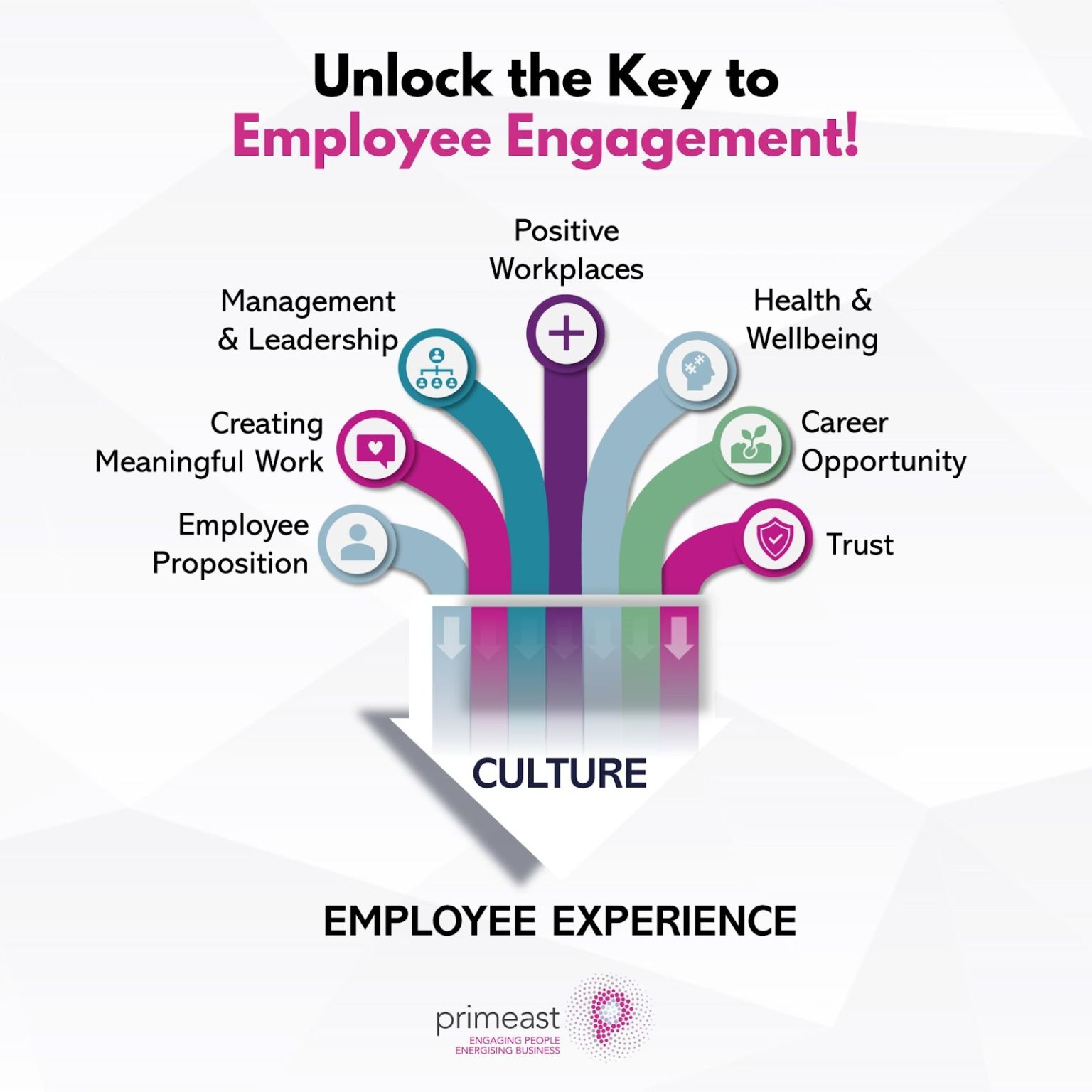
The advantages of employee empowerment
There are several definite advantages of embedding a strategy and culture of employee empowerment. These include:
Employee empowerment is crucial for a company’s success as it leads to increased morale, productivity, and tangible benefits like higher profits and better employee retention rates.
Faster problem solving
First, because empowered employees are so close to issues and problems that require resolution, response times should decrease. Faced with a problem, people who are close to it have a natural affinity for it and a definitive reason to find solutions rapidly – it aids their work, making their time easier and more productive.
Executives are often detached from the shop floor, and lack the depth of knowledge required in the solution-finding process.
Increased morale and productivity
People who are given the autonomy to make their own decisions feel trusted and that their contributions are a direct factor in their company’s success. This is a direct determinant of employee morale. For example, 91% of Google’s employees say that they carry meaningful responsibilities within the organization: for six years running Google has been ranked by Fortune as the best company to work for.
Empowered employees working without continual oversight from a manager or supervisor tend to feel more respected. Artificial obstacles to progress of tasks are removed when employees no longer need their supervisor’s approval to move from one stage to the next. Motivated employees contribute to increased moral and profitability per employee improves accordingly.
Additionally, people own the responsibility given to them, and the manager/employee relationship benefits accordingly.
Greater involvement leads to greater commitment
With the greater involvement engendered by their increased responsibility, engaged employees become more involved in organizational strategy. They begin to look at colleagues and customers differently, and their commitment to the company and its future grows. Satisfied employees lead to satisfied customers. Such commitment also leads to decreased staff turnover and reduced costs of hiring and training.
Lower levels of management stress
When employees are empowered with responsibility, managers become freed to concentrate on strategy and the bigger picture. Instead of becoming enmeshed with day-to-day decision-making, managers can concentrate on strategic objectives, project planning, professional development, and customer-centric activities.
Empowering employees invigorates leadership by removing the stress of day-to-day management responsibilities.
Improved staff retention
Empowerment leads to greater employee satisfaction and improved staff retention in the workplace. The 2013 empirical study ‘Employee Empowerment and Job Satisfaction in the U.S. Federal Bureaucracy: A Self-Determination Theory Perspective’ found that empowerment practices (such as information sharing, access to job-related knowledge and skills, and discretion to change working practice) have a positive and sizeable effect on job satisfaction.
In a study of 19,700 exit interviews, the Saratoga Institute found that job dissatisfaction factors were among the top seven factors for people searching for a new job.
Clearly, people who are more satisfied at work are less likely to want to change jobs – and improving staff retention has an immediate and sizeable impact on the bottom line. The Society for Human Resource Management has calculated that replacing a member of staff costs an average of between six to nine month’s salary in recruitment and training costs. For an employee on a $50,000 salary, this is between $25,000 and $37,500.
According to the Work Institute, more than 41 million employees voluntarily left their jobs in 2018. With the Bureau of Labor Statistics calculating average salary as $48,672, poor staff retention is costing the U.S. economy an incredible $1 trillion to $1.5 trillion per year.

The disadvantages of employee empowerment
Lack of experience increases risk
While the handing down of responsibility promises to improve speed, agility and productivity, a concern is that decisions are now being made by less experienced and less expert personnel. This can increase the number of mistakes made and put reputation at risk.
The risk of work practices falling into chaos must be tackled by proper training, and by ensuring that supervisors maintain organizational standards. These standards must incorporate an organization’s values and beliefs: care must be taken that employees do not work in accordance with individual values that may be divergent to the corporate mission and vision. Effective employee development is crucial in mitigating these risks by providing the necessary resources, support, and opportunities for professional growth.
Potential for decreased efficiency
When people are given the autonomy to make their own decisions, those decisions cease to be uniform. This lack of coordination can lead to problems down the line.
It is also the case that autonomous employees may decide to work slower on days when they feel distracted or lack the energy to forge ahead. Where some workers are performing more productively than others, without being rewarded for doing so, internal friction can increase. If not dealt with, this can cause confrontation or a spiral to the bottom as all workers decide to work at the pace of the slowest and least productive team member.
Blurred relationships
Empowerment inevitably leads to a flatter, more streamlined management structure. The risk here is that professional relationships become blurred, and boundaries of authority become broken. This might require greater control over employees, not less.
Accountability issues may arise, leading to a blame culture that, if left unchecked, will lead to further discontent and an environment of mistrust. In such a situation, it is likely that employees will decide to take less responsibility for fear of repercussions should things go wrong.
Poor decision-making
If a team lacks the individuals with skills commensurate to the project, tasks and work required, decision-making will be poorer. This will be to the detriment of the organization, as poor solutions lead to decreasing productivity and internal conflict.
Overcoming Barriers to Empower Employees
Empowering employees is a crucial aspect of any organization’s success, but it can be challenging to implement. Several barriers can hinder the empowerment of employees, including lack of trust, inadequate communication, and insufficient training. To overcome these barriers, organizations must create a culture of trust, open communication, and continuous learning.
One way to build trust is to give employees autonomy and ownership of their work. This can be achieved by providing clear expectations and goals, and then giving employees the freedom to decide how to achieve them. Additionally, organisations should encourage open communication by creating a safe and supportive environment where employees feel comfortable sharing their ideas and concerns.
Another barrier to empowerment is inadequate training. Employees need the skills and knowledge to perform their jobs effectively, and organizations must provide them with the necessary training and development opportunities. This can include workshops, mentoring programs, and online courses.
Finally, organizations must recognize and reward empowered employees. This can be done through employee recognition programs, bonuses, and promotions. By recognizing and rewarding empowered employees, organizations can reinforce the behaviors and attitudes that lead to empowerment.
Empowered Employees in Action
Empowered employees are more productive, engaged, and motivated. They are also more likely to take ownership of their work and strive for excellence. Here are a few examples of empowered employees in action:
- A customer service representative who is empowered to make decisions and take action to resolve customer complaints. This employee is able to provide excellent customer service and resolve issues quickly and efficiently.
- A software developer who is empowered to design and develop new products and features. This employee is able to use their creativity and skills to create innovative solutions that meet customer needs.
- A sales representative who is empowered to negotiate prices and terms with customers. This employee is able to build strong relationships with customers and close deals that meet the company’s goals.
In each of these examples, the empowered employee is able to take ownership of their work and make decisions that drive results. They are also able to use their skills and creativity to innovate and improve processes.
How can you improve employee empowerment?
Empowering employees is a cultural issue. Organizations that promote an environment of trust, clear communication, delegation and accountability tend to be good at employee empowerment. Here are five key practices that will help your managers and leaders empower their employees.
1. Share your organisation’s vision
Clear communication of vision is central to embedding a sense of ownership in your workforce. People who understand the vision and how their work contributes to achieving that vision are more likely to feel a part of something rather than just another number on the staff rota.
2. Share more responsibility
Delegating responsibility for work that is designed to improve the capabilities of your employees helps them develop professionally. This will strengthen your team’s ability to work autonomously and lead to lesser need for direct management.
3. Stop micromanaging
People become stifled in their work when they are micromanaged. Instead of managing tasks, delegate the responsibility for them, setting expectations clearly and providing guidance on responsibility. Decisions will be made autonomously but in line with organizational needs.
4. Be open to input
Especially when engaging people in transformational change, being open to ideas and involving people in decision-making helps ensure employees feel empowered and brings out innovative thinking.
5. Be constructive and recognize good performance
Ensure that you recognize people for their effort and good performance, providing positive and constructive feedback to aid continuous improvement. It’s important to be specific when giving feedback and to highlight how positive behaviours have had a positive impact on colleagues. Positive feedback and recognition encourage people to be more creative problem solvers.
The bottom line
Weighing up the pros and cons of employee empowerment, the potential benefits to individuals, teams and the organization are clear and tangible. The potential drawbacks can be controlled by good management techniques, including:
- Positive leadership
- Coaching, training, recognition, and rewards schemes
- An open and transparent communicative environment
Within a culture of employee empowerment, organizations will develop higher-performing teams that think for themselves, developing innovative solutions as they work toward shared goals – and not a robotic workforce consisting of people who do what their managers tell them and now more.
Emotional intelligence among leaders is also associated with the ability to embed a more empowered workforce, helping people to take the initiative and evaluate their own performance.
In short, if an empowerment strategy is well managed, your people will become partners in your success. They will become a transformative force that will jumpstart change and ensure the goals of your strategic vision are accomplished.
Complete this short Employee Experience Assessment to help identify the key areas you need to focus on as a company.
Giving Feedback To Boost Confidence & Engagement
Giving Feedback Effectively
A 2009 Gallup survey of more than 1,000 US-based employees sought to qualify the impact of feedback on employees. Its findings are insightful:
- When a manager gives little or no feedback, the manager fails to engage 98% of employees.
- Four out of ten employees who receive little or no feedback become actively disengaged.
- Managers who concentrate on strengths when giving feedback are 30 times more likely to engage their employees than those giving no feedback.
- One in ten managers concentrates on weaknesses when providing feedback.
The conclusion drawn by the study is that the tools, techniques, and strategies that a manager uses when delivering feedback have a huge impact on employee engagement.
In this article I’ll discuss why feedback is crucial, the basis of an effective feedback strategy, and one of the key tools that provide a framework for constructive feedback.
Why is feedback so crucial?
Many studies have shown that engaged employees work more productively. They provide impetus toward shared vision, values, and goals. When you energize employees to perform at their peak, the impact on performance at individual and team levels is clear – and this directly benefits your bottom line.
To be engaged in your future vision, an employee needs to feel wanted. They need to know that their contribution is valued, and that they are helping the organization reach its goals.
When a manager provides no feedback, the employee feels ignored. When someone feels ignored, they feel unimportant. Even negative feedback is better than this, but constructive criticism is the most effective as it provides actionable suggestions for improvement while maintaining a positive tone.
Types of Feedback
Feedback can be categorized into different types, each serving a unique purpose. Understanding these types can help you tailor your feedback to the specific situation and recipient.
- Positive Feedback: Positive feedback is used to reinforce good behavior, acknowledge achievements, and boost morale. It’s essential to provide specific examples and context to make the feedback meaningful.
- For instance, instead of saying, “Great job,” you might say, “Your detailed analysis in the report was outstanding and really helped us make informed decisions.”
- Constructive Feedback: Constructive feedback is used to address areas for improvement, provide guidance, and help employees grow. It’s crucial to focus on behavior rather than personality and provide actionable suggestions.
- For example, “I noticed that the project deadlines were missed. Let’s discuss how we can better manage time and resources to meet future deadlines.”
- Negative Feedback: Negative feedback is used to address significant issues, correct mistakes, and prevent future problems. It’s essential to deliver negative feedback in a sensitive and supportive manner, focusing on the behavior rather than the person.
- For example, “Your recent interactions with the team have been quite abrupt, which has caused some tension. Let’s work on improving communication to foster a more collaborative environment.”
- Formative Feedback: Formative feedback is used to guide employees during the learning process, providing them with insights and suggestions to improve their performance.
- For instance, “During your presentation, you had some great points, but it would be even more effective if you could engage the audience with more eye contact and questions.”
- Summative Feedback: Summative feedback is used to evaluate employee performance at the end of a project or period, providing a summary of their strengths and weaknesses.
- For example, “Over the past quarter, you’ve shown excellent problem-solving skills and have consistently met your targets. However, there is room for improvement in your time management.”
By understanding and utilizing these different types of feedback, you can provide more targeted and effective employee feedback, ultimately enhancing performance and engagement.

Word Feedback cut into a wooden cut circle placed over textured blue wooden background.
Setting the scene for constructive feedback
For feedback to be given, listened to, and then acted upon, there are some ground rules that must be observed. I call these the ‘tools for the road’.
When you drive the highway, you first need to know your destination. You need to know what you and others can control. For example:
- you are in charge of the car;
- a road traffic accident is out of your sphere of responsibility, though you may have cause to report and help; and
- delays or roadblocks have to be negotiated.
In the workplace this means setting clear expectations for your employees. For example, provide examples of work products that clearly reflect the quality and detail you expect from an individual. When setting clear expectations, it is crucial to communicate these to your direct reports to ensure they understand their responsibilities and the feedback process.
Let your people know explicitly what they control, and provide a continuum for feedback. Remember also that feedback is a two-way street. It is about listening, understanding, and acting.
Preparing to Give Feedback
Preparing to give feedback is crucial to ensure that the conversation is productive and effective. Here are some steps to help you prepare:
- Gather Information: Collect relevant data, observations, and examples to support your feedback. This ensures that your feedback is based on facts and specific instances, making it more credible and actionable.
- Define the Purpose: Clearly define the purpose of the feedback conversation, whether it’s to address an issue, provide guidance, or acknowledge achievements. Knowing the purpose helps you stay focused and ensures that the conversation is meaningful.
- Choose the Right Time and Place: Select a private and comfortable setting where the employee feels safe and open to receiving feedback. Avoid public settings where the employee might feel embarrassed or defensive.
- Prepare Your Thoughts: Organize your thoughts, and consider the employee’s perspective, strengths, and weaknesses. This helps you deliver feedback in a balanced and constructive manner.
- Anticipate Questions and Concerns: Prepare to address potential questions and concerns the employee may have. This shows that you are considerate and ready to support them through the feedback process.
By taking these steps, you can ensure that you give feedback in a way that is respectful, clear, and effective, ultimately fostering a positive and productive work environment.
Techniques for giving and receiving feedback
When providing feedback, it is important to be on point. Feedback must be specific to behaviour.
Providing specific feedback examples can help illustrate the points you are making and ensure that the feedback is clear and actionable.
For example, saying someone is doing a good job may raise a smile, but is a short-lived ‘throw-away’ appraisal. What is that person good at? What is it that they are doing which can be used as best practice, and inform the behaviour of others?
Consider which is the better and more effective feedback of the following:
“You’re working well on these reports. Well done.”
or…
“I see you’ve put in a process to reduce the time it takes to process these reports. That’s great work, and something we could use across the whole company.”
In brief, there are five elements of constructive feedback. It should be:
- Given in a timely fashion
- Clear
- Specific
- Non-judgmental
- Actionable
Making your feedback effective using a simple feedback framework
To make feedback effective (that is to say, something that will leave a positive, engaging impact on the employee) I recommend following the situation-behaviour-impact (SBI) model. This feedback model ensures that you hit the five elements of constructive feedback I highlighted above. For example:
Capture the situation
“In yesterday’s team meeting…”
Describe the behaviour
“…you interrupted constantly.”
Describe the impact
“This forced your colleagues to shut down. Consequently, we weren’t able to discuss their ideas and arrive at a team-based solution to our problem.”
From this specific feedback, you will be able to discuss behaviour, and jointly produce a plan of action that the employee can use to improve his or her performance.
Overcoming Barriers to Giving Feedback
Giving feedback can be challenging, and several barriers can prevent you from providing effective feedback. Here are some common barriers and strategies to overcome them:
- Fear of Conflict: Fear of conflict can prevent you from giving feedback. To overcome this, focus on the issue rather than the person, and use “I” statements to express your concerns. For example, “I noticed that the project deadlines were missed, and I’m concerned about how this affects our overall timeline.”
- Lack of Time: Lack of time can be a significant barrier to giving feedback. To overcome this, prioritise feedback, and allocate specific times for feedback conversations. Scheduling regular check-ins can help ensure that feedback is given consistently and timely.
- Uncertainty about How to Give Feedback: Uncertainty about how to give feedback can prevent you from providing effective feedback. To overcome this, seek training, and practice giving feedback in a safe and supportive environment. Role-playing scenarios with a colleague can be a helpful way to build confidence.
- Fear of Hurting the Employee’s Feelings: Fear of hurting the employee’s feelings can prevent you from giving feedback. To overcome this, focus on the behavior rather than the person, and provide feedback in a sensitive and supportive manner. For example, “I’ve noticed that your recent reports have had some errors. Let’s work together to identify the root cause and find a solution.”
- Cultural or Language Barriers: Cultural or language barriers can prevent you from giving effective feedback. To overcome this, be aware of cultural differences, and use simple language to ensure understanding. It may also be helpful to ask the employee to summarize what they heard to ensure clarity.
By recognising and addressing these barriers, you can provide more effective feedback, fostering a culture of continuous improvement and open communication.
How to receive feedback
As I said earlier, feedback is a two-way street. A good manager encourages his or her people to provide feedback on him or her. Doing so will aid your development as a leader, and further promote engagement. Encouraging your team to provide more feedback can help create a culture of continuous improvement and open communication.
When receiving feedback, you should follow these bullet point rules:
- Listen attentively
- Repeat only what you heard (to clarify)
- Ask for specifics (what you are doing well, what you are doing not so well)
- Show appreciation by saying “thank you”
- Ask if (and when) you can check back
If your people appear distant, disengaged, or disenfranchised, then you may need to brush up on your feedback technique. If you don’t provide effective discussion of performance, you are doing yourself, your employee, and your organisation a severe injustice.
Contact Primeast today to discover how an Emotional Intelligence course will develop and embed effective personal skills in the workplace, for leaders, managers, and employees.